Caetano Dias: Unlocking Bahia's Vernacular Canvas
Caetano Dias, born Alberto Caetano Dias Rodrigues in Feira de Santana, Bahia, in 1959, is one such figure whose journey suggests a fascinating interplay between the intellectual and the visual.
In the vibrant tapestry of Brazilian art, where tropical colors meet profound cultural narratives, certain artists emerge not just from a place but from a unique confluence of experiences. Caetano Dias, born Alberto Caetano Dias Rodrigues in Feira de Santana, Bahia, in 1959, is one such figure whose journey suggests a fascinating interplay between the intellectual and the visual. While the specific brushstrokes of his pintura may remain a subject of discovery for many, the very foundations of his artistic path hint at a profound engagement with the essence of his homeland, filtered through an academic lens rarely seen among visual artists: the study of Vernacular Letters.
For an international audience eager to understand the pulsating heart of Brazilian creativity, Caetano Dias offers an intriguing proposition. He represents a cohort of artists from Brazil's Northeast whose work is inherently steeped in a rich cultural heritage, yet his particular intellectual pursuit promises a distinctive approach to art-making. How does one translate the nuances of local language, folklore, and popular expression into the universal language of painting? This question lies at the very core of Caetano Dias's artistic identity, making him a compelling figure to explore.
From Bahian Soil to Intellectual Depths: The Formative Years
Born in Feira de Santana, a bustling city in the heart of Bahia, Caetano Dias's roots are firmly planted in a region celebrated for its unique cultural synthesis. Bahia is not just a state; it's a universe of Afro-Brazilian traditions, syncretic spirituality, vibrant music, and a history rich with stories of resilience and artistic innovation. This environment, brimming with sensory stimuli and deep narratives, naturally fosters artistic expression.
However, Caetano Dias chose an unconventional path that would undoubtedly imbue his visual practice with a singular depth. Between 1985 and 1987, he pursued Vernacular Letters at the Universidade Católica do Salvador. This academic choice is particularly striking for a visual artist. "Vernacular Letters" refers to the study of local languages, dialects, literature, and oral traditions—the everyday spoken and written expressions that define a people and a place. It's a deep dive into folklore, popular poetry, regionalisms, and the very structure of how culture is articulated through words.
For a painter, this background is a powerful differentiator. While many artists draw inspiration from their surroundings, Caetano Dias's formal training in understanding the grammar and spirit of local expression suggests an artist attuned not just to what he sees, but to what he hears, reads, and feels through the linguistic fabric of his community. It implies a mind trained to deconstruct narratives, analyze symbolism embedded in everyday speech, and appreciate the rhythm and cadence of a cultural voice. This intellectual rigor, combined with the visceral experience of growing up in Bahia, forms a potent foundation for his artistic output. His early career, marked by participation in the art scene, likely saw him bringing these unique perspectives to the canvas from the outset.
The Painter's Dialogue: How Language Informs the Canvas
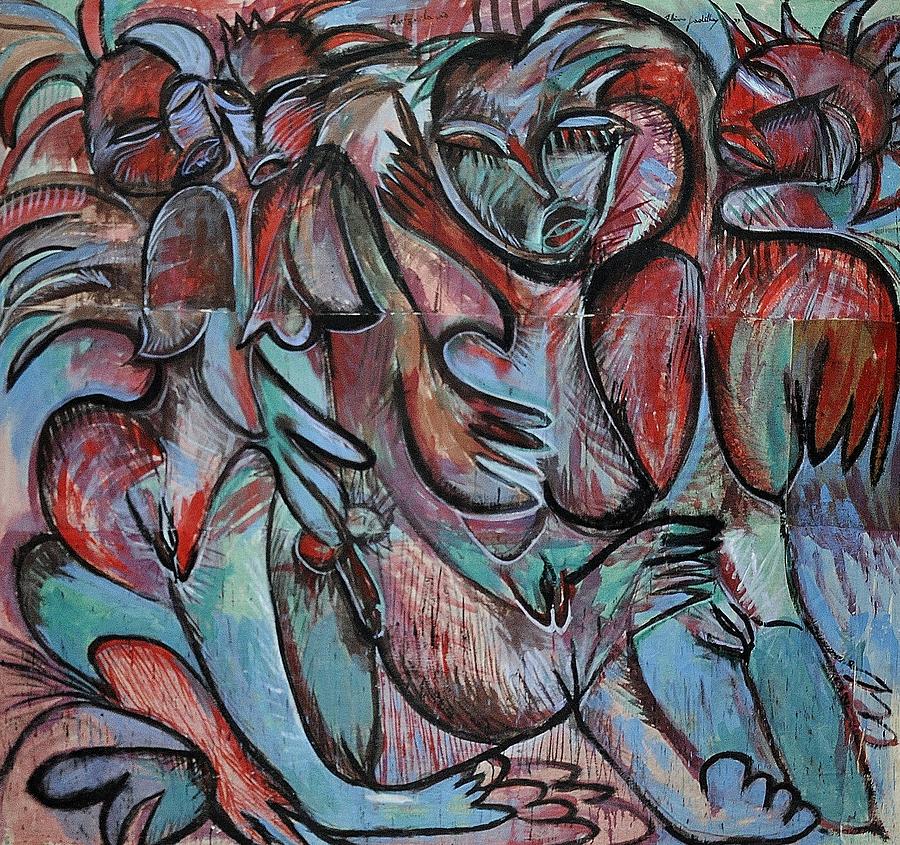
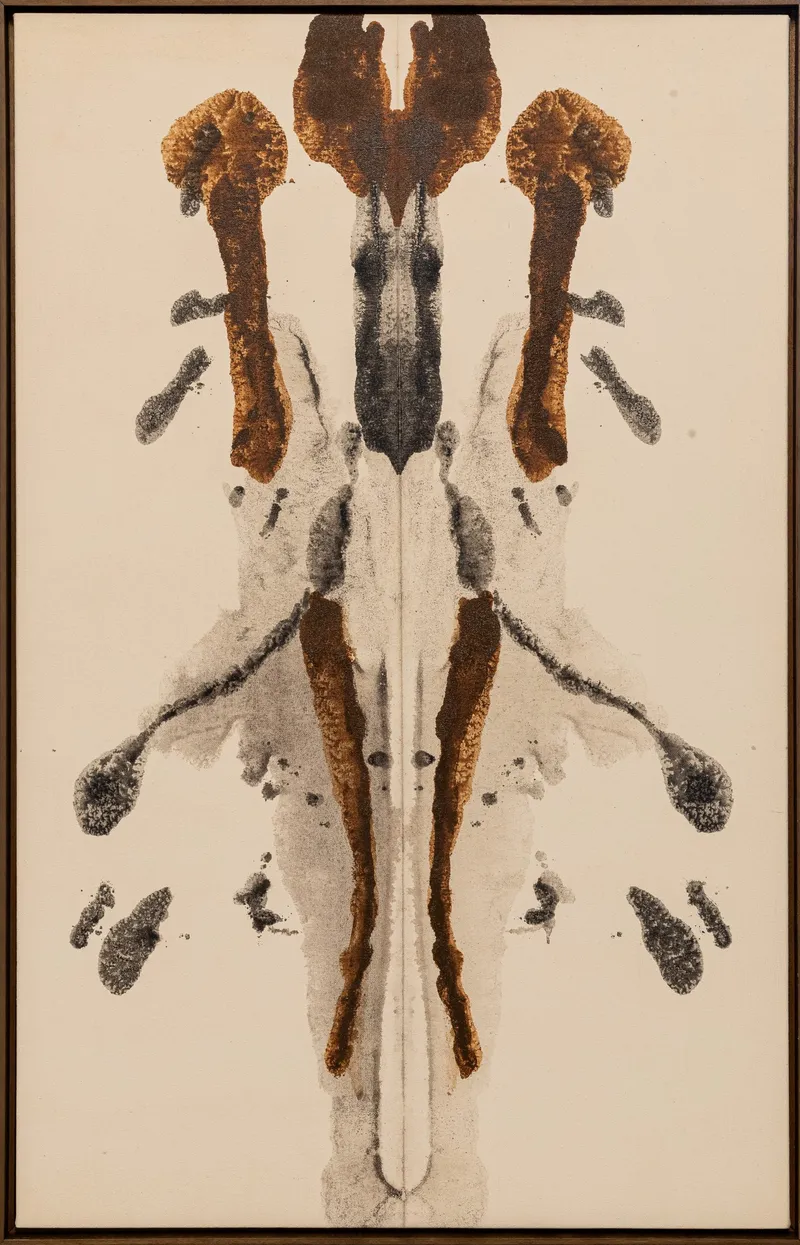
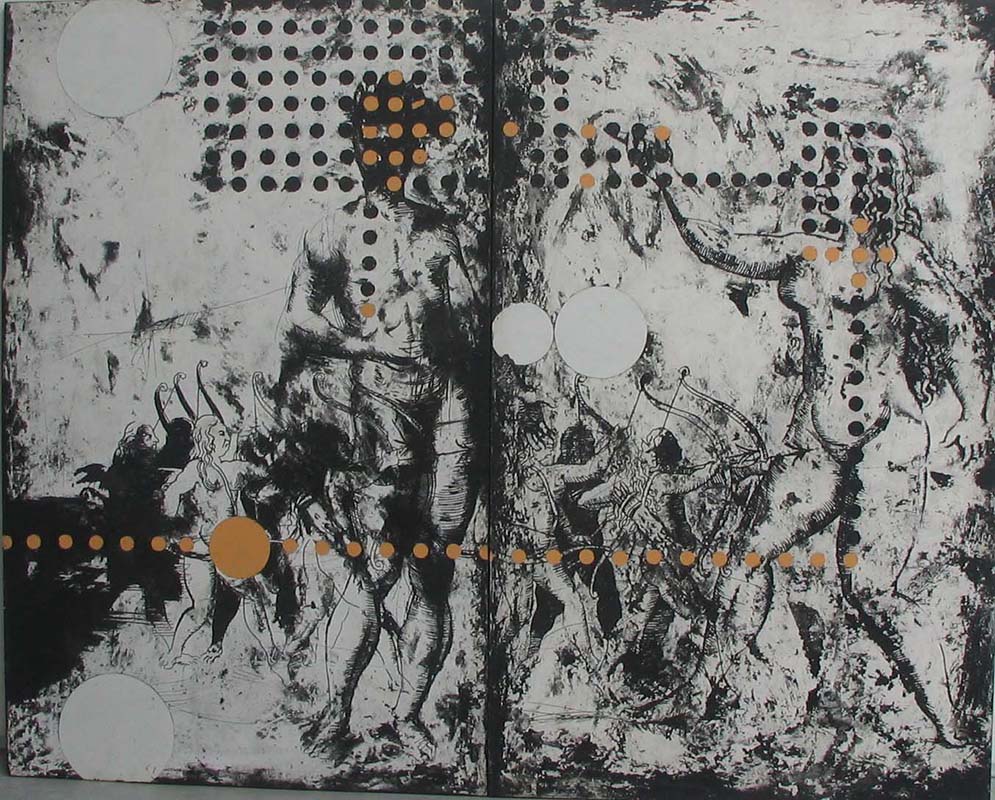
Caetano Dias's primary visual practice is pintura, or painting. Given his unique educational background, one can only imagine the intricate ways his study of Vernacular Letters might manifest in his canvases. While specific descriptions of his major works are not widely available, we can speculate on the potential thematic and stylistic explorations that such a foundation would foster.

Accepted by heuristic filter before Gemini vision. Educational use.
His paintings might not merely depict scenes from Bahian life but rather interpret them through a linguistic or narrative lens. Consider the rich oral traditions of Bahia—the cordel literature, the proverbs, the songs of Candomblé, the everyday banter of the markets. A painter with a background in Vernacular Letters might approach these elements not just as visual motifs but as structural components, almost like building a visual sentence or paragraph.
It's plausible that Caetano Dias's art delves into:
Narrative Abstraction: Perhaps his canvases tell stories, not necessarily through explicit figuration, but through color, form, and composition that evoke the emotional arc or symbolic weight of a particular Bahian tale or linguistic expression.
Symbolism and Metaphor: His understanding of how meaning is constructed in language could lead to a rich vocabulary of visual symbols, where everyday objects or abstract forms carry deeper, culturally specific connotations, much like words in a poem.
The Rhythm of Language: The cadences and inflections of Bahian Portuguese, the musicality of its phrases, could find echoes in the dynamic flow and rhythm of his brushstrokes or the interplay of colors.
Cultural Identity and Voice: His work might explore the very concept of Bahian identity through the lens of its unique linguistic expressions, giving visual form to the "voice" of the people and their heritage.
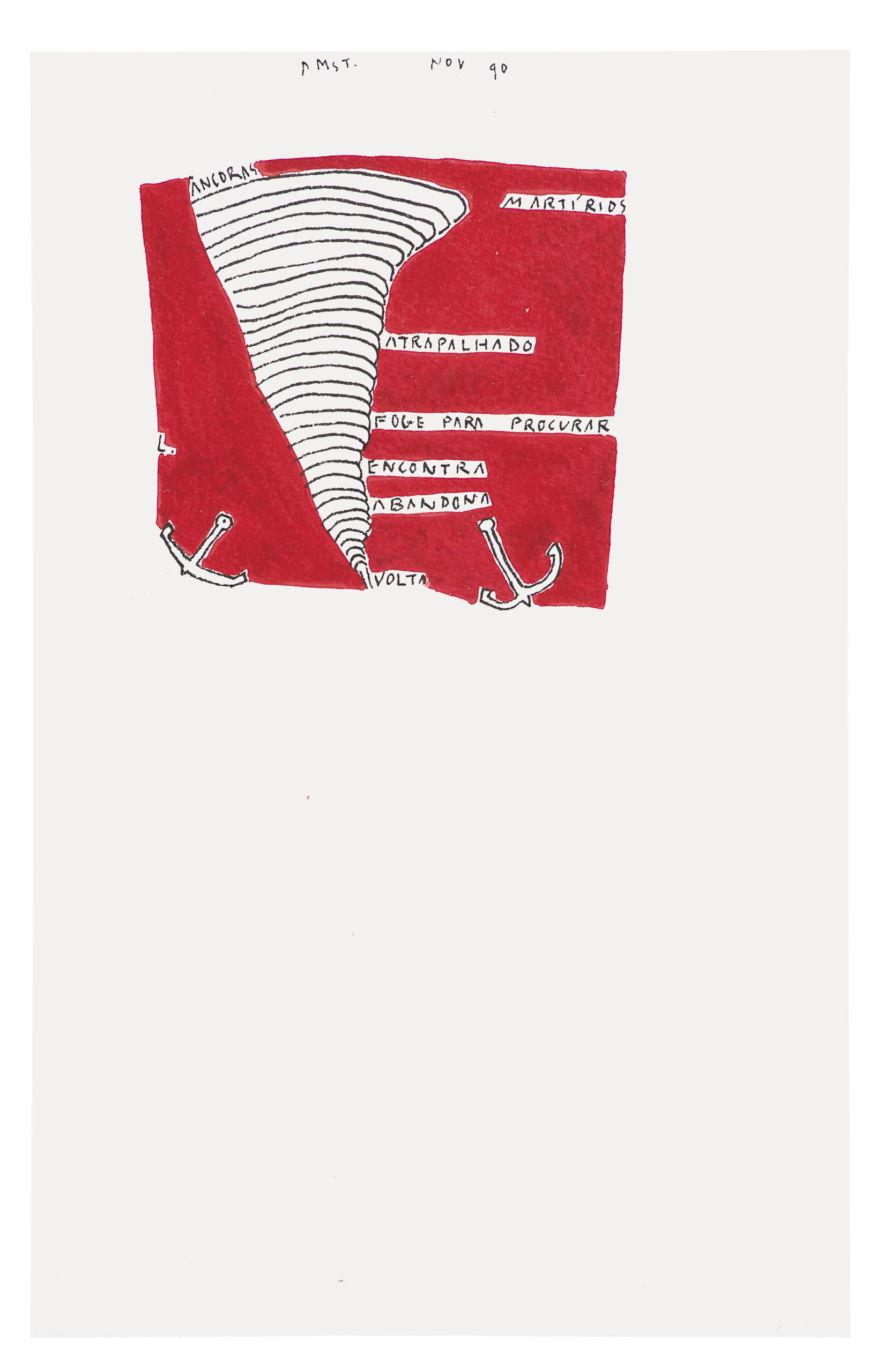
Deconstruction of Image and Text: He might even integrate textual elements, or create paintings that feel like they are composed of words, where each visual component functions like a linguistic unit contributing to a larger meaning.

Accepted by heuristic filter before Gemini vision. Educational use.
This unique blend of intellectual inquiry and visual expression positions Caetano Dias as an artist who doesn't just paint about Bahia, but perhaps paints with the very essence of its language and cultural memory. His art, therefore, becomes a sophisticated dialogue between the seen and the spoken, the visual and the vernacular.
Cultural Impact and the Northeastern Voice
Caetano Dias's contribution, even with limited public documentation of his specific artworks, lies in embodying a particular trajectory for artists from Northeast Brazil. His story highlights the profound impact of education and cultural immersion on artistic practice. He is part of a broader movement of Bahian artists who, through their work, amplify the region's unique cultural voice on both national and international stages.
Bahia, with its capital Salvador, was the first colonial capital of Brazil and remains a crucible of Afro-Brazilian culture. Artists from this region often grapple with themes of identity, diaspora, spirituality, social justice, and the sheer joy of life that permeates Bahian existence. By choosing to study Vernacular Letters, Caetano Dias brings an additional layer of academic rigor and cultural specificity to these universal themes. He represents the artist as an interpreter of cultural codes, bridging the gap between academic understanding and intuitive artistic expression.
His early participation in the art world signals an engagement with the contemporary discourse of his time, contributing to the evolving narrative of Brazilian modern and contemporary art. In a landscape often dominated by artists from the Southeast, the presence of figures like Caetano Dias ensures that the rich, diverse perspectives of the Northeast are not only represented but deeply explored through unique and thoughtful approaches.
Awaiting the Full Story
Caetano Dias's journey is a compelling testament to the diverse paths artists take to define their vision. From the vibrant streets of Feira de Santana to the academic halls of Salvador, his trajectory suggests an artist deeply committed to understanding the cultural grammar of his homeland. His background in Vernacular Letters offers a tantalizing hint at the intellectual depth and cultural specificity woven into the fabric of his paintings.
As the global art world continues to seek out authentic and profound narratives, artists like Caetano Dias, who merge intellectual curiosity with visual artistry, stand out. His work invites us to consider how language shapes our perception, how culture is encoded in both words and images, and how a painter from Bahia, armed with a deep understanding of his people's vernacular, can unlock new dimensions of visual storytelling. While the full catalog of his canvases awaits broader exposure, the foundation of Caetano Dias's artistic life promises a rich and layered engagement with the soul of Brazil.
Fontes:
(1) dailyartfair.com - https://dailyartfair.com/artist/caetano-dias
(2) escritoriodearte.com - https://www.escritoriodearte.com/artista/caetano-dias
Imagem de capa: Accepted by heuristic filter before Gemini vision. Educational use.
This article is part of the CASCA Archive, documenting visual artists from Northeast Brazil. Story about Caetano Dias.