Cícero Dias: From Pernambuco's Soil to Parisian Skies
His life, culminating in Paris in 2003, is a testament to an artist whose brushstrokes captured the essence of Brazil while engaging with the universal language of modernism.
In the vast, verdant landscapes of Pernambuco, a state renowned for its rich cultural tapestry and fervent artistic spirit, a visionary was born in 1907. Cícero Dias, hailing from the town of Escada, would embark on an extraordinary journey that saw him rise as a central figure in Brazilian modern art, traversing continents and artistic movements, yet always carrying the indelible mark of his Northeastern roots. His life, culminating in Paris in 2003, is a testament to an artist whose brushstrokes captured the essence of Brazil while engaging with the universal language of modernism.
To understand Cícero Dias is to understand a pivotal moment in Brazilian cultural history. The early 20th century was a period of intense introspection and reinvention for Brazil, as artists, writers, and thinkers sought to forge a distinct national identity, free from the colonial gaze and academic strictures of the past. It was within this vibrant crucible that Dias found his voice, becoming not just a participant but a shapeshifter, a chronicler, and an innovator whose work would leave an enduring mark.
The Pernambucan Pulse: Early Life and Influences
Born in Escada, a municipality nestled in the Zona da Mata region of Pernambuco, Cícero Dias was immersed from an early age in a landscape brimming with natural beauty and a culture steeped in folklore, vibrant traditions, and a complex history. The Northeast, with its intense light, vivid colors, and the rhythmic pulse of its people, provided a sensory palette that would subtly inform his artistic consciousness throughout his life. Though specific details of his early artistic training are not provided, it is clear that his origins in Pernambuco were not merely a birthplace but a foundational source of inspiration.
His journey from this regional heartland to becoming a "central figure in Brazilian modern art" speaks volumes about his talent and drive. Modernism in Brazil, catalyzed by the Semana de Arte Moderna (Week of Modern Art) in São Paulo in 1922, sought to break away from academic conventions and embrace a new aesthetic that was authentically Brazilian, yet in dialogue with European avant-garde movements. Dias, though younger than some of the initial protagonists of the Modern Art Week, quickly assimilated these principles, translating them through his unique lens. His move to major urban centers in Brazil, though not explicitly detailed in the provided sources, would have been essential for his artistic development and integration into the nascent modernist circles.
A Multifaceted Modernist: Practice and Evolution
Cícero Dias was not content to be confined to a single medium or style. The sources highlight his remarkable versatility: he was a painter, printmaker, draftsman, illustrator, set designer, and teacher. This breadth of practice underscores his comprehensive engagement with the visual arts, allowing him to explore different facets of expression and contribute across various cultural domains. His work as a set designer, for instance, would have required a keen understanding of space, light, and narrative, skills that undoubtedly enriched his painting. As a teacher, he would have directly shaped the next generation of artists, further cementing his influence.

Escritorio de Arte.
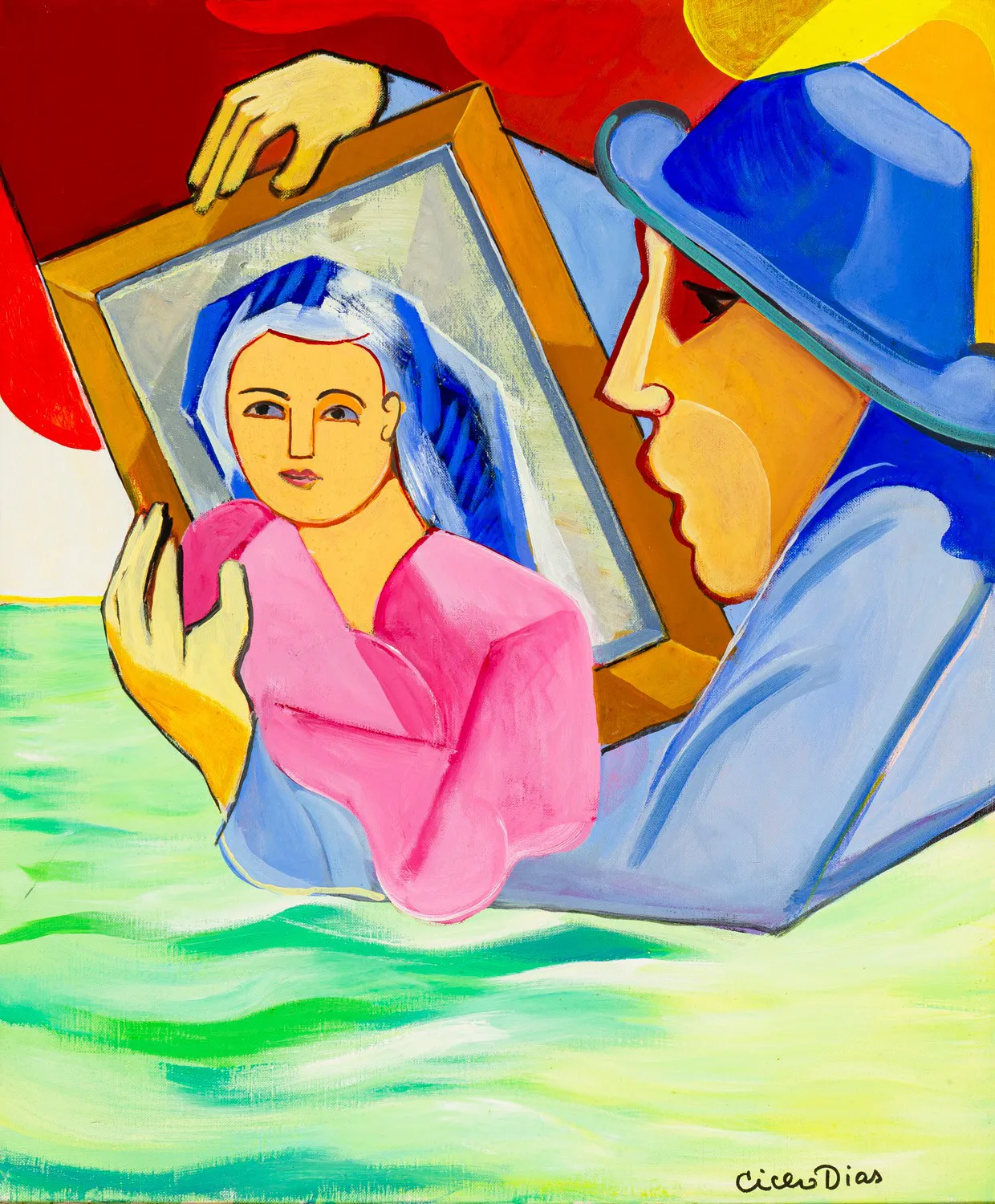
His early works often reflected a deep connection to his homeland, portraying scenes and figures that evoked the spirit of the Northeast. As he matured, his art evolved, moving through figurative representations towards more abstract forms, always maintaining a distinctive poetic quality. This evolution was characteristic of many Brazilian modernists who absorbed European influences like Cubism and Surrealism, reinterpreting them to express local realities and universal human experiences.
Among his notable works are:
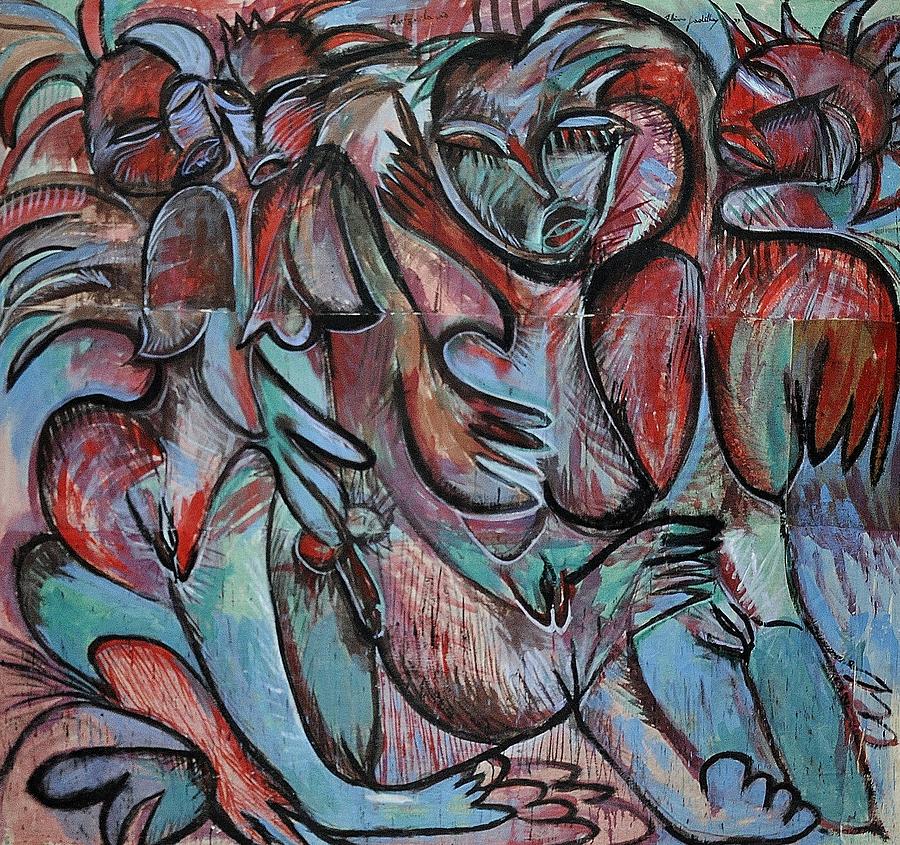
Lembranças (Memories), an oil on canvas, the title itself suggests an exploration of nostalgia, personal history, and the evocative power of recollection. This piece likely reflects his ongoing dialogue with his past and the landscapes of his memory.
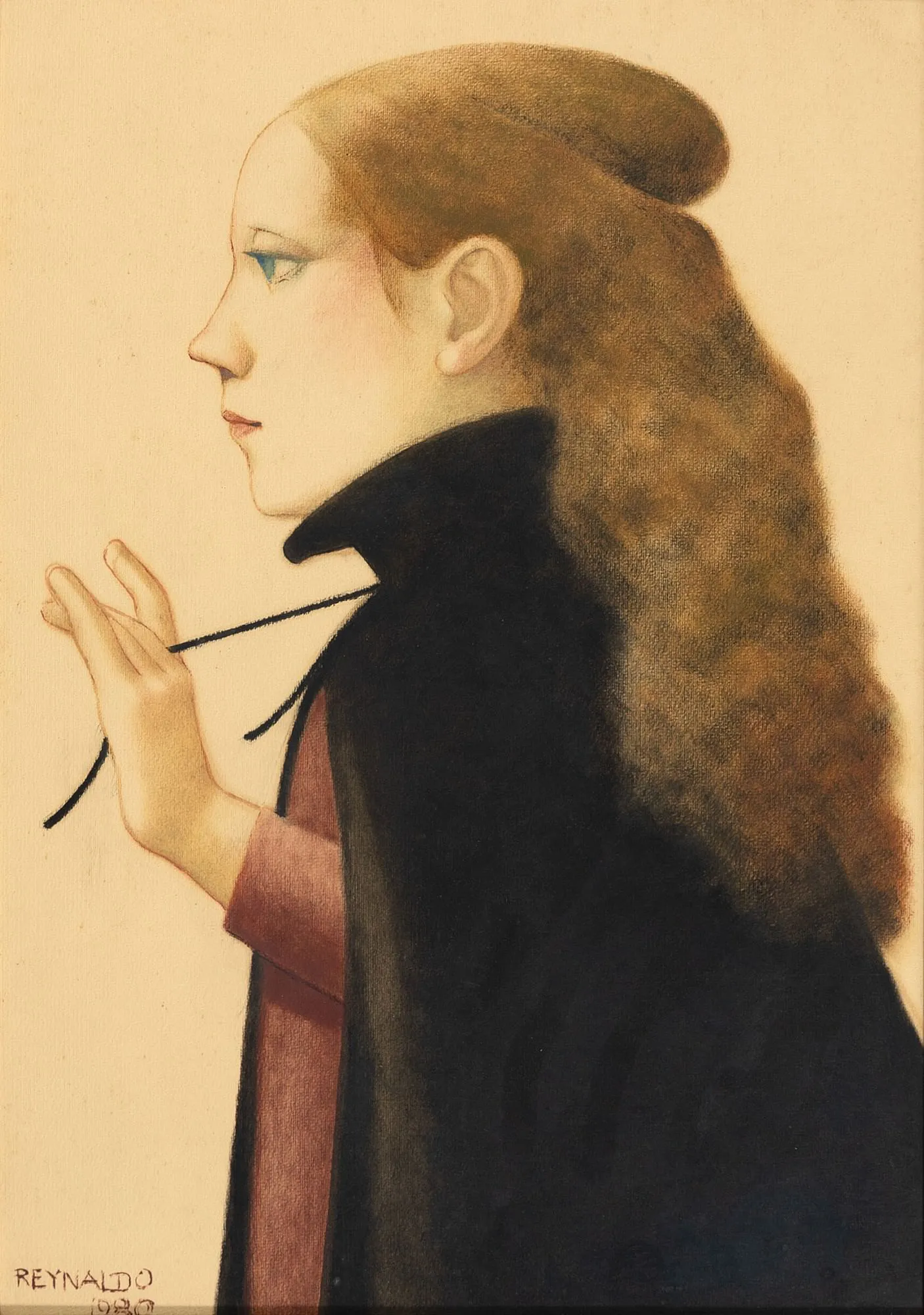
Mãe e Filha (Mother and Daughter), rendered in gouache on paper, points to his engagement with themes of human connection, family, and the tender intimacy of relationships. Gouache, with its opaque and vibrant qualities, would have allowed him to capture the warmth and immediacy of such a subject.
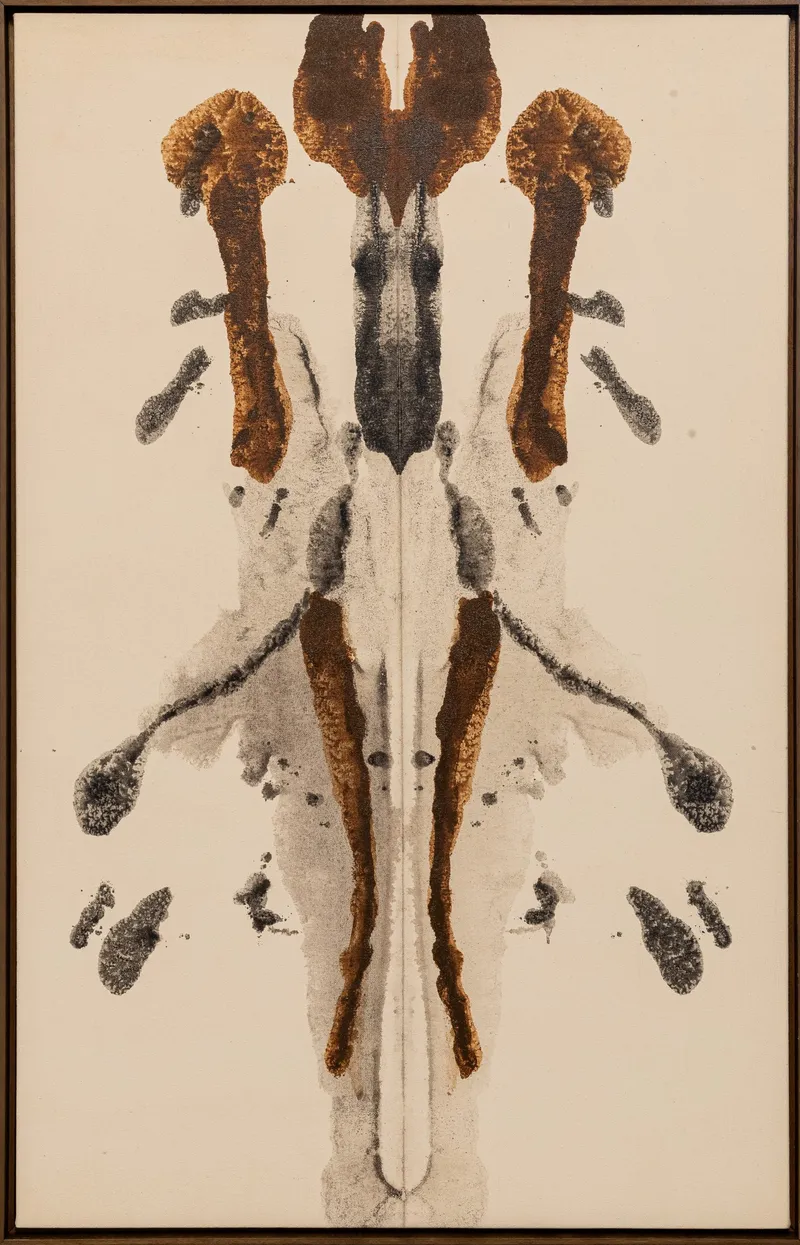
Nu Feminino Com Flores (Female Nude with Flowers), also in gouache on paper, demonstrates his engagement with classical themes reinterpreted through a modernist sensibility. The female nude, a timeless subject in art history, would have been approached by Dias with an eye for form, color, and perhaps a subtle subversion of traditional depictions, infusing it with a distinctly Brazilian light and sensibility.
These works, even in their titles, reveal an artist deeply attuned to both the personal and the universal, capable of rendering emotion and form with equal mastery. His mastery of different mediums, from the rich texture of oil to the delicate precision of gouache, speaks to his technical prowess and artistic curiosity.

Escritorio de Arte.
Cultural Impact and Legacy: A Bridge Between Worlds
Cícero Dias's designation as a "central figure in Brazilian modern art" is not merely an accolade; it signifies his profound impact on shaping the aesthetic and conceptual directions of the movement. He was part of a generation that dared to imagine a new visual language for Brazil, one that could stand proudly alongside international movements while maintaining its unique cultural voice. His collaboration with "Revista" (as mentioned in the source, though incomplete) points to his active participation in the intellectual and artistic dialogues of his time, as art magazines and journals were crucial platforms for disseminating modernist ideas and challenging established norms.
Dias's journey from Escada to his eventual passing in Paris in 2003 encapsulates a broader narrative of Brazilian modernism itself – a movement deeply rooted in local identity but always in conversation with global trends. He embodied the modernist ideal of the artist as a cultural ambassador, taking the vibrant spirit of Pernambuco and translating it into a visual language that resonated internationally. His ability to blend the raw energy and narrative richness of his homeland with sophisticated modernist techniques made his work both deeply personal and universally appealing.
His legacy extends beyond his canvases. As a printmaker, draftsman, illustrator, and set designer, he touched various aspects of cultural production, influencing not just fellow painters but also designers and performers. As a teacher, he directly mentored and inspired new generations, ensuring that the flame of modernism continued to burn brightly. His oeuvre serves as a vital bridge, connecting the specificities of Northeast Brazilian culture to the broader currents of 20th-century global art.
The Enduring Resonance of Cícero Dias
Cícero Dias's life and work represent a magnificent trajectory: from the fertile soil of Pernambuco to the cosmopolitan skies of Paris, he remained an artist deeply connected to his origins while fearlessly exploring new artistic frontiers. His paintings, whether depicting intimate human moments or evocative landscapes of memory, continue to speak to the enduring power of art to transcend boundaries. He was a pioneer who helped define what it meant to be a Brazilian artist in the modern era, one who could paint the soul of a nation with a universal brush.
Today, Cícero Dias's works are celebrated for their beauty, their historical significance, and their ability to evoke the rich tapestry of Brazilian culture. They remind us that true artistic genius often lies in the ability to draw deeply from one's roots while daring to reach for the global, creating a legacy that continues to inspire and resonate across time and borders.
Fontes:
(1) Escritorio de Arte - https://www.escritoriodearte.com/artista/cicero-dias
(2) Escritorio de Arte - https://www.escritoriodearte.com/artista/cicero-dias/lembrancas-24867
(3) Escritorio de Arte - https://www.escritoriodearte.com/artista/cicero-dias/mae-e-filha-24866
(4) Escritorio de Arte - https://www.escritoriodearte.com/artista/cicero-dias/nu-feminino-com-flores-24865
Imagem de capa: Escritorio de Arte.
This article is part of the CASCA Archive, documenting visual artists from Northeast Brazil. Story about Cícero Dias.