Ciro Fernandes: The Woodcuts That Sing the Soul of Paraíba
Ciro Fernandes transformed xilog
In the parched landscape of Paraíba's hinterlands, a young boy found his voice in the engravings on wood and the graffiti on his grandparents' walls. This boy, Ciro Fernandes, was born on January 31, 1942, in Uiraúna, during the clamor of World War II. From these humble beginnings, Fernandes would shape a legacy of xilogravura—a traditional woodcut technique—imbued with the vibrancy and resilience of Northeast Brazil.
A Journey from Paraíba to São Paulo
Ciro's early years in Uiraúna were marked by both creativity and struggle. As a child, his artistic inclinations were evident; he drew inspiration from the everyday scenes around him, transforming them into images etched on various surfaces. His drawings were not merely for decoration—they served as tokens in local games, the figures he crafted announcing results for the town's bookies.
The year 1958 brought a severe drought to Paraíba, rendering life in the hinterlands untenable for many families, including that of 16-year-old Ciro. Seeking refuge and opportunity, he relocated to Natal, Rio Grande do Norte, where he took on work as a bus conductor and mechanical welder. But two years later, the allure of São Paulo, with its promise of artistic and economic growth, pulled him further south. There, he juggled multiple trades, all the while honing his skills as an artist.
The Artistic Practice: Xilogravura

Verified via Claude Vision. Educational use.
Xilogravura, a technique steeped in tradition, became Ciro Fernandes' chosen medium. This art form, characterized by its intricate patterns and bold contrasts, is deeply woven into the cultural tapestry of Northeast Brazil. Historically, it has been used to illustrate cordel literature—small booklets of poetry and stories that tell tales of love, folklore, and the human condition.
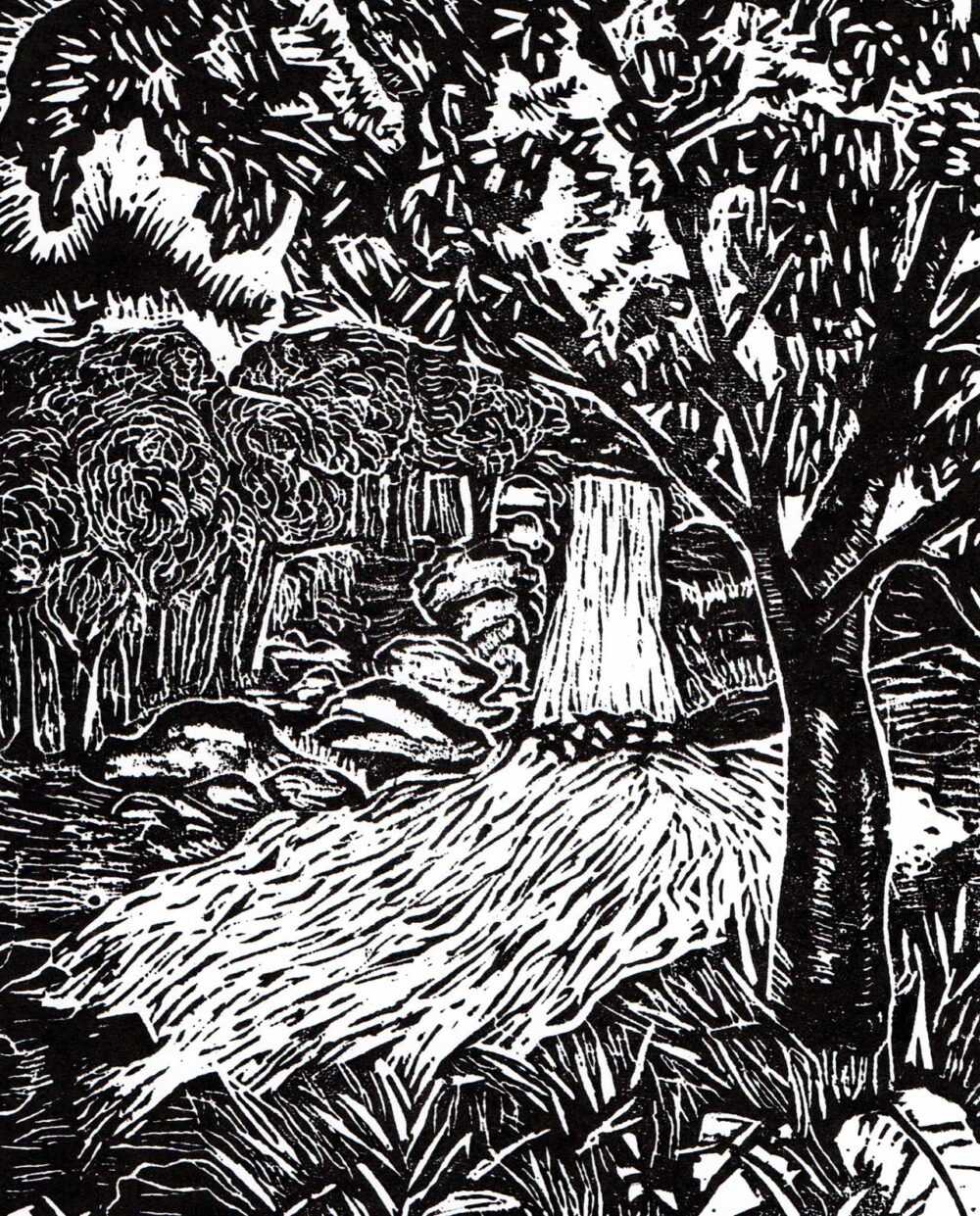
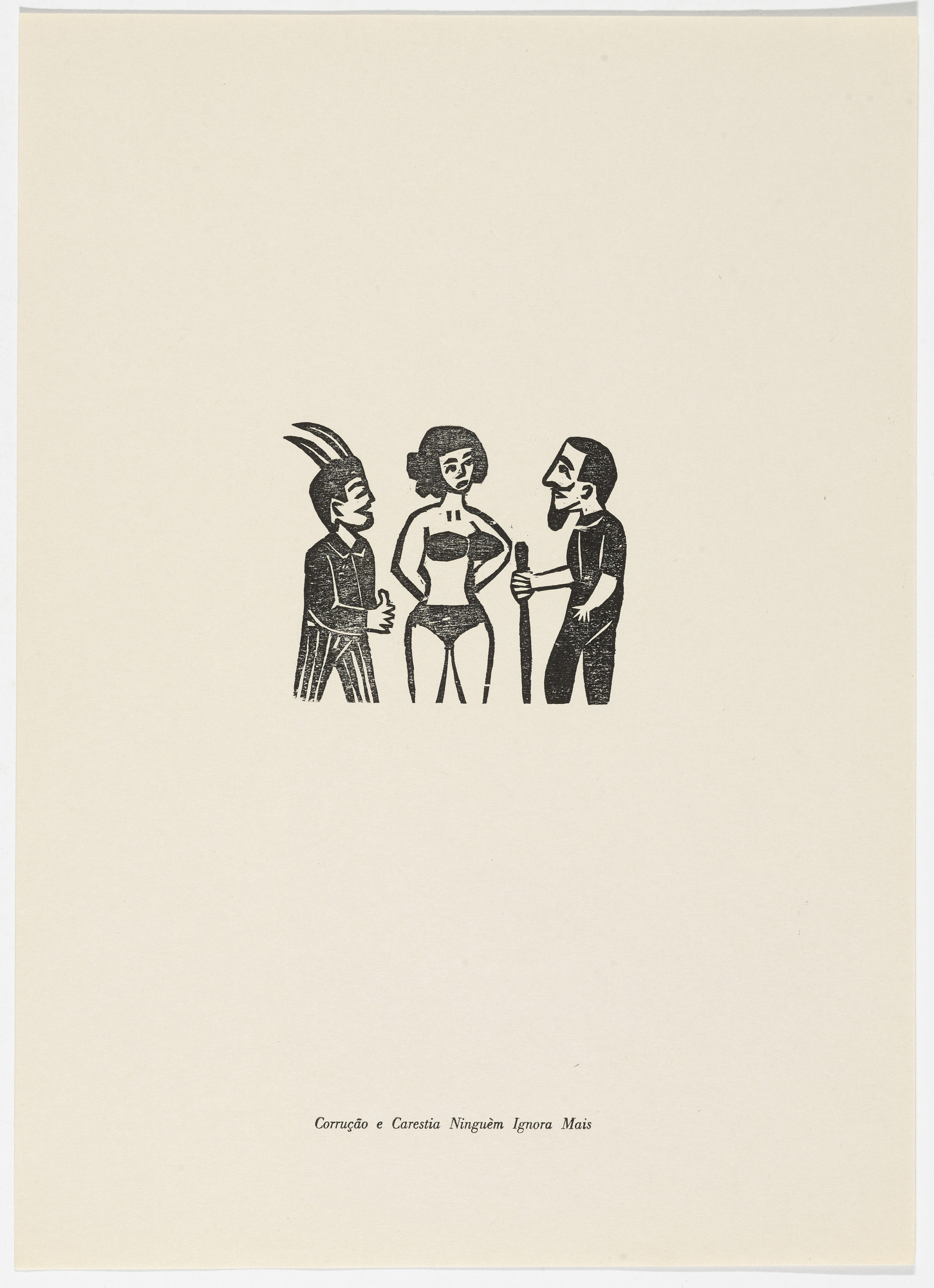
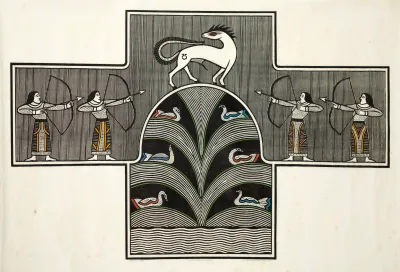
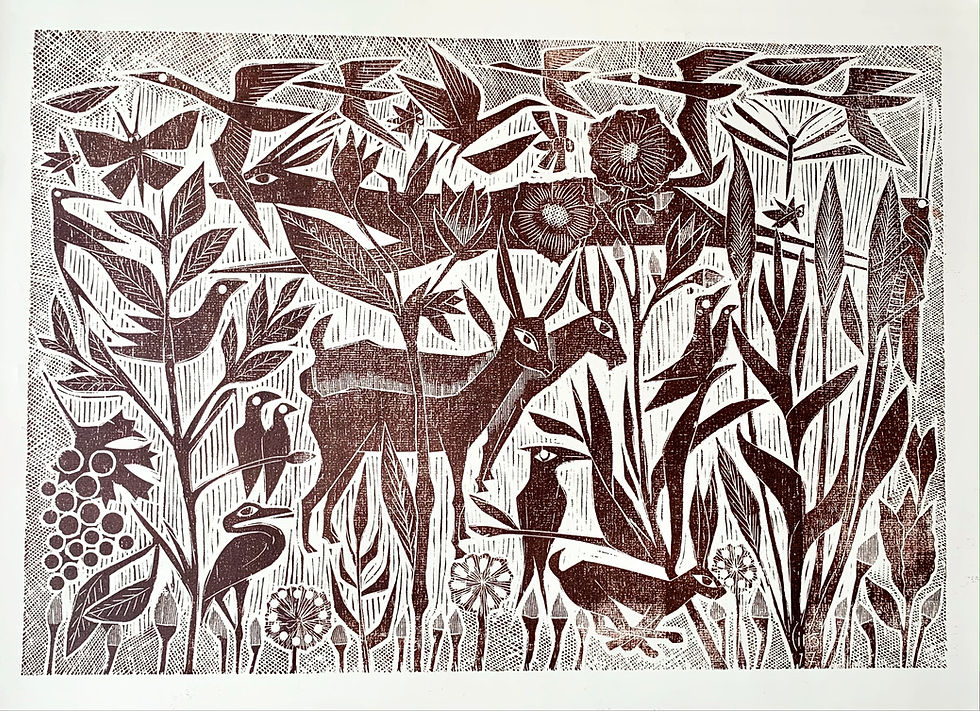
For Fernandes, xilogravura was more than a technique; it was a language through which he could express the spirit of his people. His woodcuts often depict scenes from daily life, folklore, and the vibrant festivals of the Northeast. Works like “Artistas de Rua” capture the essence of Brazilian street life, while others delve into the rich narratives of regional mythology.
Cultural Impact: Carving a Legacy
Ciro Fernandes’ work extends beyond mere artistic expression; it serves as a cultural archive, preserving the stories and traditions of a region often overlooked. His art has gained recognition not only for its aesthetic value but also for its role in documenting the cultural history of Paraíba and the broader Northeast.

Verified via Claude Vision. Educational use.
Through exhibitions and workshops, Fernandes has shared his knowledge and passion for xilogravura with new generations, ensuring the survival of this traditional art form. His contributions have been celebrated by art lovers and cultural institutions alike, with his works being featured in galleries and collections both in Brazil and internationally.
On social media, particularly Instagram, the reach of Fernandes' art has expanded globally. His posts, laden with the rich textures of his woodcuts, invite viewers from around the world to immerse themselves in the vivid stories each piece tells. Comments from admirers speak to the universal appeal of his work, transcending language and cultural barriers to touch hearts worldwide.
Conclusion: The Eternal Dance of Blade and Wood
Ciro Fernandes’ journey from a small town in Paraíba to the art circles of São Paulo is a testament to the power of perseverance and the universal language of art. Through the dance of blade on wood, Fernandes has carved out a distinct place in the world of visual arts, one that resonates with the rhythms and colors of Northeast Brazil.
His legacy, etched in the lines and grooves of his xilogravuras, continues to inspire and educate, ensuring that the stories of Paraíba and its people are never forgotten. As Ciro Fernandes continues to create, his art remains a vivid testament to the enduring spirit of the Brazilian Northeast—a region whose stories are as rich and layered as the woodcuts themselves.
Fontes:
(1) cirofernandes.com.br - https://www.cirofernandes.com.br/en/about-1
(2) cirofernandes.com.br - https://www.cirofernandes.com.br/
(3) instagram.com - https://www.instagram.com/reel/DG_i-zDvG4l/?hl=en
Imagem de capa: Verified via Claude Vision. Educational use.
This article is part of the CASCA Archive, documenting visual artists from Northeast Brazil. Story about Ciro Fernandes.