Decoding José Rufino: Paraíba's Quiet Visionary
In the bustling, sun-drenched landscape of Brazil's Northeast, where history whispers through colonial streets and vibrant culture pulses with an undeniable rhythm, certain artists emerge not with a roar, but with a resonant hum.
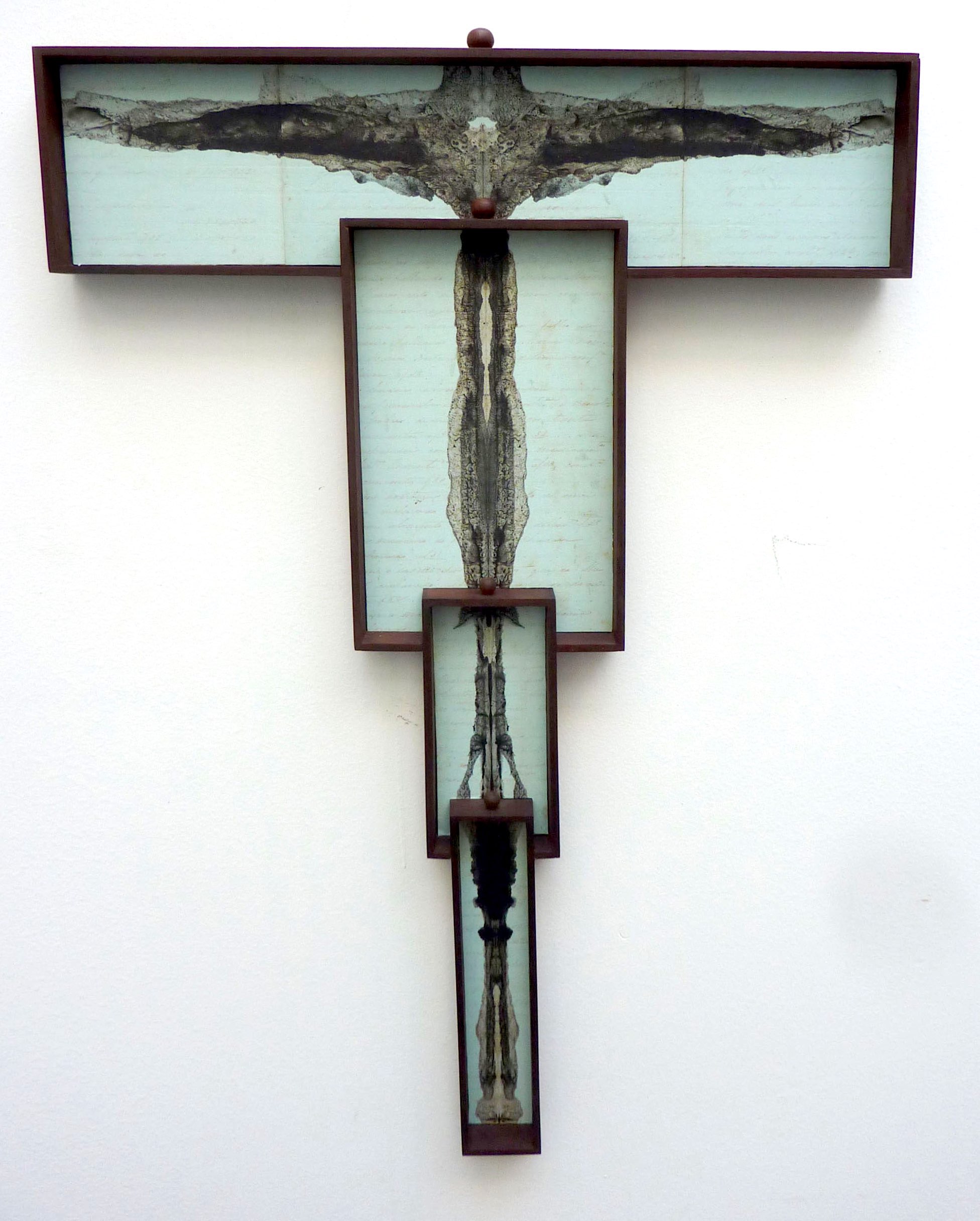
In the bustling, sun-drenched landscape of Brazil's Northeast, where history whispers through colonial streets and vibrant culture pulses with an undeniable rhythm, certain artists emerge not with a roar, but with a resonant hum. José Rufino is one such figure. A contemporary artist and university professor hailing from Paraíba, Rufino embodies a particular strain of artistic inquiry – one deeply rooted in his regional identity yet expansive in its intellectual reach. For an international audience eager to understand the rich tapestry of Brazilian visual arts, Rufino offers a compelling, albeit subtly unveiled, entry point into the sophisticated narratives emerging from this culturally potent corner of the world.
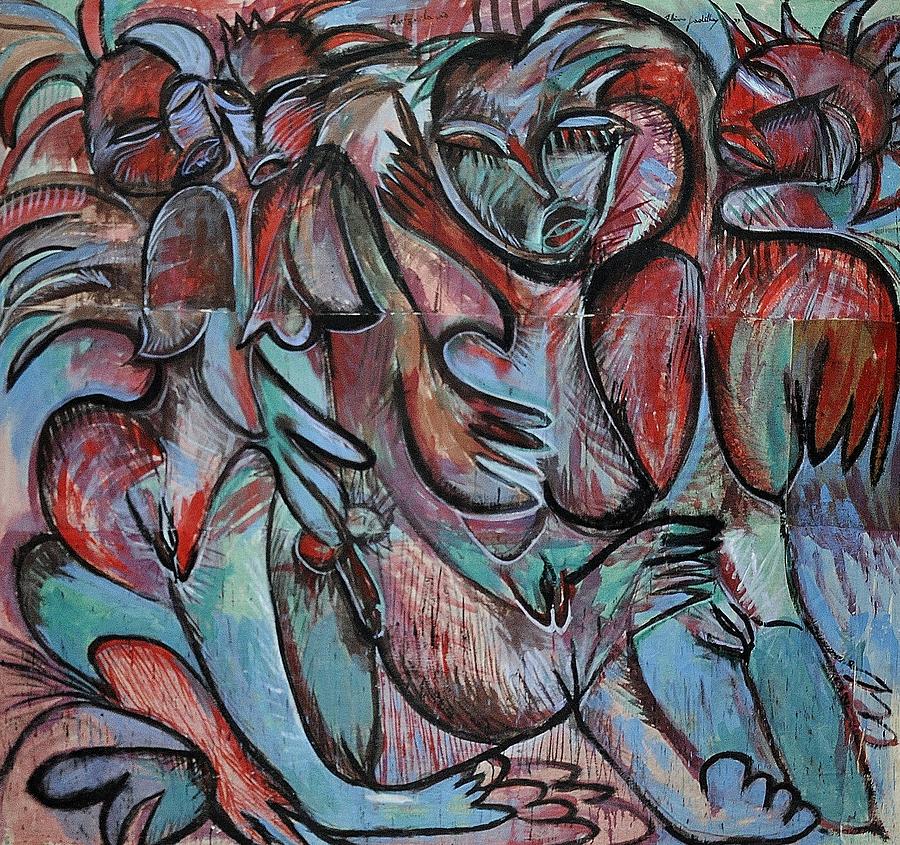
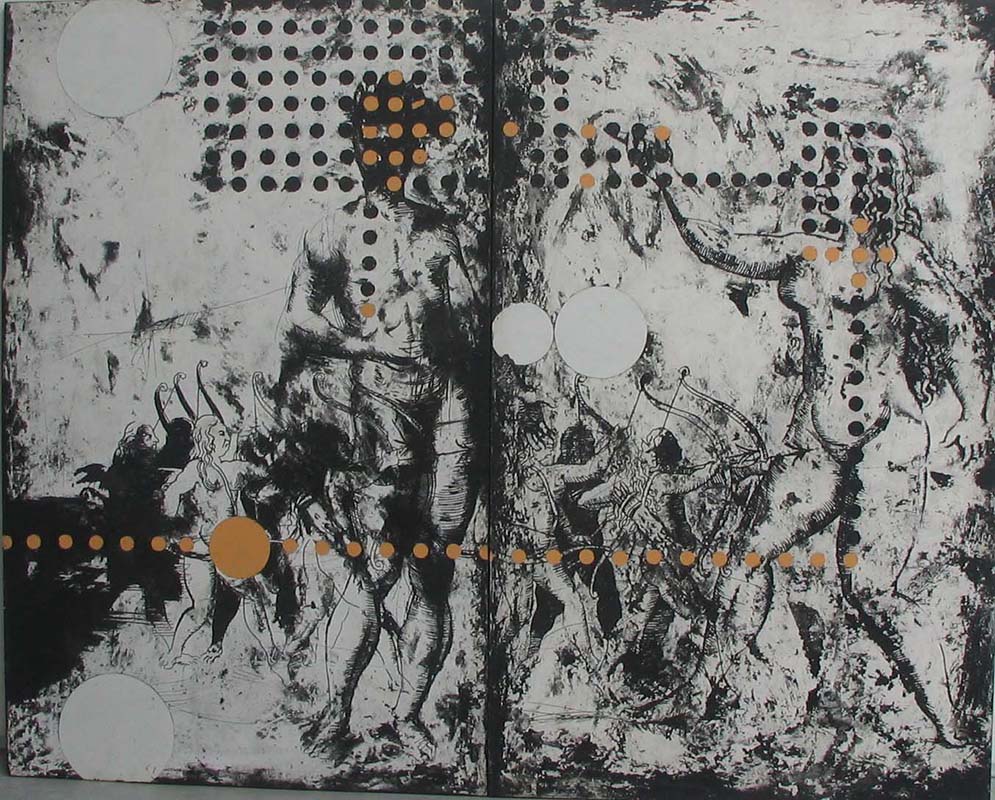
His work, categorized broadly as "arte contemporânea" or contemporary art, speaks to a practice that is as much about conceptual depth and intellectual rigor as it is about visual execution. While specific details of his major works might not always be immediately visible in the public domain, his very presence as an artist and educator from João Pessoa signals a significant contribution to the evolving discourse of Brazilian art.
From João Pessoa to the University Hall: The Roots of a Visionary
Born José Augusto Costa de Almeida Rufino in João Pessoa, Paraíba, in 1965, his journey into the visual arts began early. The late 1970s saw him immersed in extension courses at the Universidade Federal da Paraíba (UFPB), an early indication of a foundational commitment to artistic exploration and academic engagement. This initial exposure at a federal university is crucial, suggesting an early inclination towards structured learning and critical thinking that would later define his dual career path.
João Pessoa, the capital of Paraíba, is a city steeped in history and natural beauty, offering a unique backdrop for artistic development. Its colonial heritage, juxtaposed with the challenges and triumphs of modern Brazilian life, provides a fertile ground for artists to draw inspiration. For Rufino, growing up in this environment meant an inherent connection to a specific cultural and historical lineage, which, when filtered through the lens of contemporary art, often yields profound and universally resonant expressions.
His evolution into a university professor further solidifies his role as a pivotal figure. This dual identity—artist and academic—is not uncommon in the contemporary art world, but in the context of Northeast Brazil, it underscores a commitment to both creating and nurturing artistic thought. As a professor, José Rufino is not just producing art; he is also shaping the minds of future generations, influencing the theoretical frameworks and practical approaches that will define the region's artistic trajectory. This role extends his impact far beyond the confines of his own studio, establishing him as a quiet but powerful force in the intellectual and creative life of Paraíba.

Accepted by heuristic filter before Gemini vision. Educational use.
The Contemporary Canvas of the Northeast
Understanding José Rufino's practice within "arte contemporânea" requires an appreciation for the unique cultural and historical currents of Northeast Brazil. This region, often romanticized yet frequently misunderstood, is a crucible of identities—Indigenous, African, and European—that have forged a distinct cultural identity. Contemporary artists from the Northeast often engage with themes of memory, history, social justice, identity, and the very landscape that defines their existence.
While specific details about Rufino's artistic themes and mediums are not extensively documented in readily available sources, his classification as a contemporary artist from Paraíba strongly suggests an engagement with these broader regional concerns, filtered through a modern sensibility. Contemporary art, by its nature, challenges conventions, often employs diverse media—from painting and sculpture to installation, performance, and digital art—and frequently delves into conceptual explorations rather than purely aesthetic ones.
Given his academic background and role as a professor, it can be inferred that Rufino's work likely possesses a strong intellectual underpinning. His art might explore the complex layers of Paraíba's past, question its present realities, or envision its future through a critical lens. It's plausible that his practice involves research, archival engagement, or a deconstruction of traditional narratives, typical of many contemporary artists who are also academics. This intellectual rigor, coupled with a deep connection to his birthplace, would allow him to craft narratives that are both locally specific and globally relevant.
The silence around specific artworks is not necessarily a void, but perhaps an invitation to consider the artist's broader impact. In the contemporary art world, an artist's influence can be measured not just by blockbuster exhibitions, but by their sustained contribution to critical discourse, their mentorship of emerging talents, and their ability to subtly shift perceptions within their artistic community. José Rufino, as a professor, is undoubtedly contributing to this quieter, yet profound, evolution of artistic thought.

Accepted by heuristic filter before Gemini vision. Educational use.
A Legacy in the Making: Impact and Influence
José Rufino's contribution to Brazilian contemporary art, particularly from the Northeast, lies in his steadfast presence as both a creator and a catalyst. His dual role as an artist and university professor allows him to bridge the gap between theoretical exploration and practical application, fostering an environment where new artistic ideas can flourish. He is part of a generation of Northeastern artists who are challenging preconceived notions of what art from the region should be, pushing boundaries beyond traditional folk art or regionalist painting.
By engaging with contemporary practices, artists like Rufino help to diversify the Brazilian art scene, ensuring that the narratives and perspectives from the Northeast are not only heard but also critically examined and celebrated on a national and international stage. His work, though perhaps less overtly sensational than some, adds a crucial layer of intellectual depth and regional specificity to the broader conversation about global contemporary art.
In a world hungry for authentic voices and diverse perspectives, José Rufino stands as a testament to the quiet power of an artist deeply embedded in his cultural landscape, yet unbound by its conventions. His journey, from a young student in João Pessoa to a respected artist and academic, underscores the enduring vitality of Paraíba's artistic spirit and its significant, ongoing contribution to the vibrant tapestry of Brazilian visual arts. His is a legacy that continues to unfold, subtly shaping the minds and visions of those who follow, ensuring that the contemporary echoes of Paraíba resonate far beyond its sun-kissed shores.
Fontes:
(1) escritoriodearte.com - https://www.escritoriodearte.com/artista/jose-rufino
(2) dailyartfair.com - https://dailyartfair.com/artist/jose-rufino
(3) Wikipedia - https://pt.wikipedia.org/wiki/Jos%C3%A9_Rufino
Imagem de capa: Accepted by heuristic filter before Gemini vision. Educational use.
This article is part of the CASCA Archive, documenting visual artists from Northeast Brazil. Story about José Rufino.