Flávio Gadelha: The Quiet Force Shaping Pernambuco Art
They are the foundational figures, the quiet forces whose dedication to their craft and their communities lays the groundwork for future generations.
In the vibrant tapestry of Brazilian art, the narratives of certain artists, while profoundly impactful, sometimes remain less visible in the digital age. They are the foundational figures, the quiet forces whose dedication to their craft and their communities lays the groundwork for future generations. Flávio Gadelha is one such artist, a multi-talented figure hailing from the culturally rich state of Pernambuco, whose contributions as a painter, printmaker, sculptor, and art educator underscore a deep commitment to the artistic landscape of Brazil's Northeast.
His story, though not extensively documented online, speaks volumes about the multifaceted roles artists play in shaping identity, fostering creativity, and educating new minds. Gadelha represents a lineage of Brazilian artists who don't just create, but also teach, nurture, and inspire, weaving their legacy into the very fabric of their region's cultural life.
Roots in the Northeast: A Foundation in Art and Education
Born in Recife, Pernambuco, in 1957, Flávio Augusto Viana Gadelha emerged from a state renowned for its deep historical roots, vibrant folklore, and a fierce sense of cultural independence. Pernambuco, a cradle of Brazilian identity, has long been a fertile ground for artistic expression, from the revolutionary spirit of its historical movements to the rhythmic pulse of its popular festivals. Growing up in this environment undoubtedly imbued Gadelha with a unique perspective, a sensitivity to the colors, textures, and narratives that define the Northeast.
His formal artistic journey began early, a testament to his innate calling. Between 1966 and 1974, Gadelha undertook his artistic formation at the Universidade Federal da Paraíba (UFPB) in João Pessoa. This period of intensive study provided him with a robust theoretical and practical foundation, spanning nearly a decade during a pivotal time in Brazilian cultural history. The UFPB, a significant educational institution in the Northeast, would have exposed him to diverse artistic currents, from modern Brazilian movements to the rich traditions of popular art, preparing him for a career that would traverse multiple disciplines. This early and comprehensive education highlights a commitment to mastering various forms of visual expression, a hallmark of many influential artists in the region.
A Multidisciplinary Vision: Painter, Printmaker, Sculptor, Educator
What truly distinguishes Flávio Gadelha is his embrace of a multidisciplinary approach to art. He is not confined to a single medium but rather navigates the diverse realms of painting, printmaking, and sculpture, complementing these practices with a crucial role as an art educator. This versatility is not merely a matter of technical skill; it reflects a holistic artistic philosophy common among many significant Brazilian artists who view art as a comprehensive language capable of myriad expressions.

Accepted by heuristic filter before Gemini vision. Educational use.
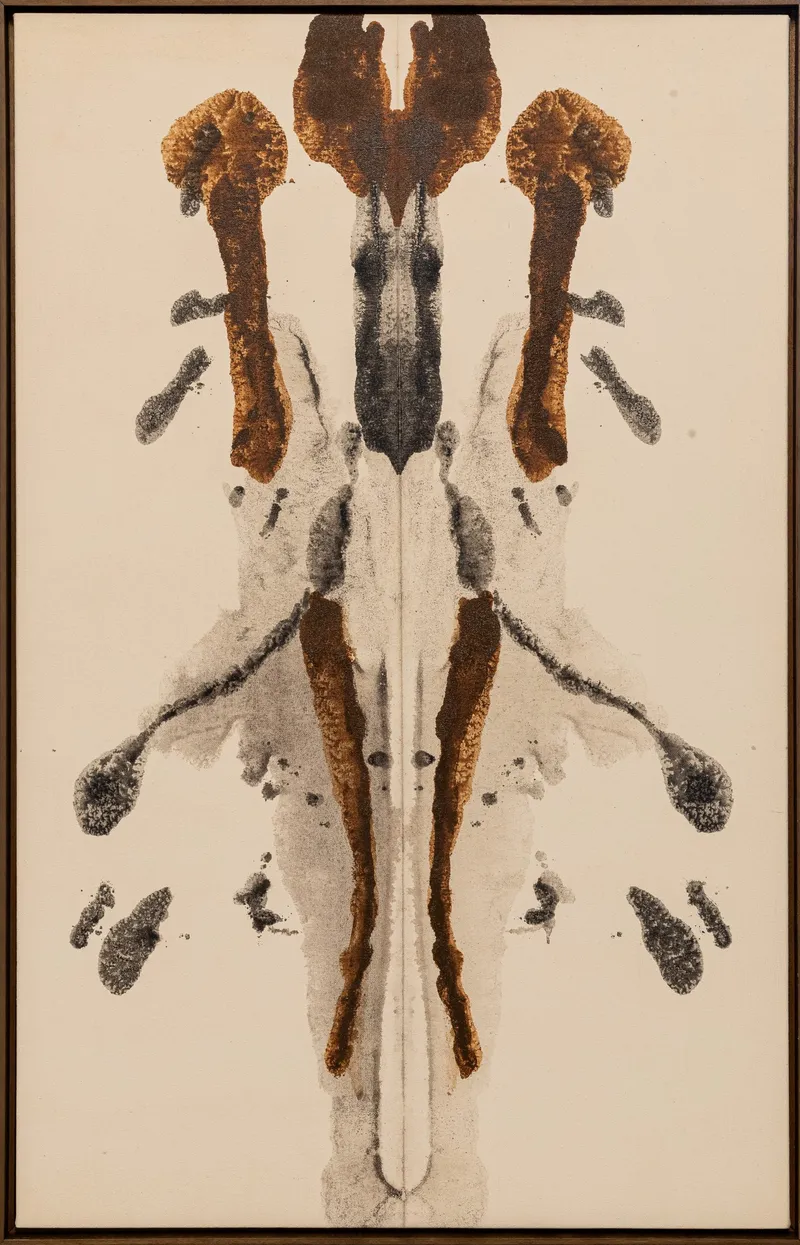
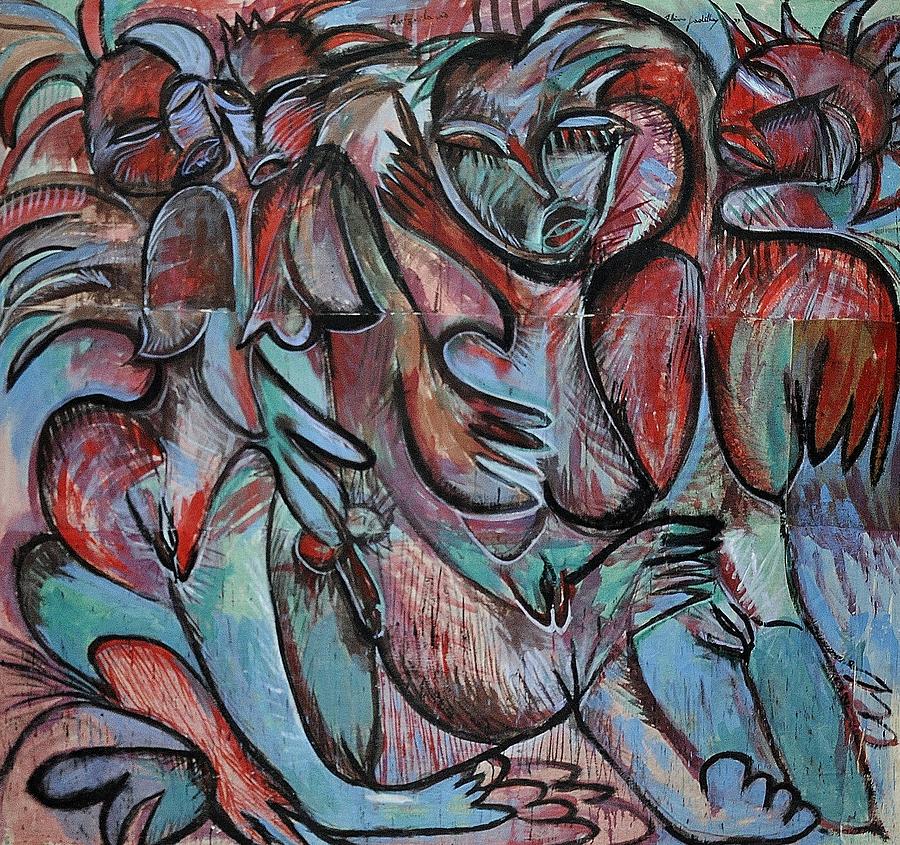
As a Painter (Pintor): The act of painting in Pernambuco is often an act of storytelling. Artists from the region frequently employ vivid palettes and dynamic compositions to reflect the intense light, lush landscapes, and complex social realities of the Northeast. While specific works by Gadelha are not detailed in available records, one can infer that his canvases, like those of his peers, would likely have explored themes ranging from the abstract interplay of color and form to figurative depictions of everyday life, folklore, or historical memory. Painting allows for direct emotional expression and the creation of immersive visual worlds, a powerful tool for an artist deeply connected to his origins.
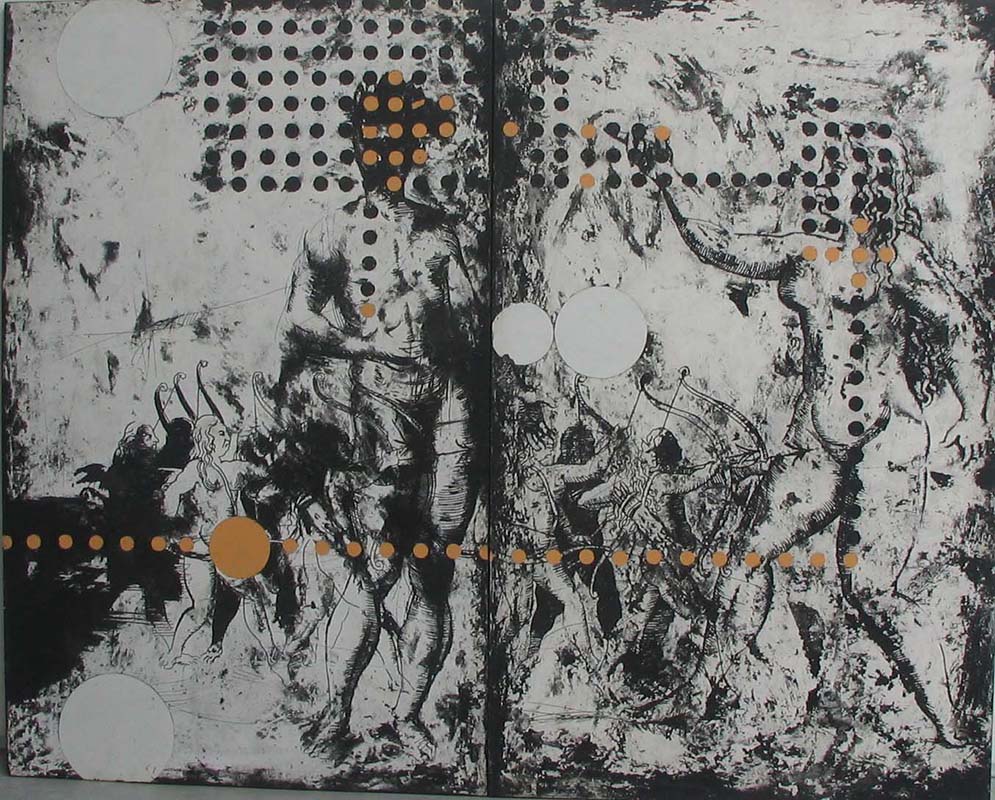
As a Printmaker (Gravador): Printmaking holds a special place in Brazilian art, particularly in the Northeast. Historically, mediums like woodcuts (xilogravura) have been vital for disseminating popular narratives, satirical commentary, and religious imagery, making art accessible to a broader public. Gadelha's practice as a printmaker suggests an engagement with this democratic aspect of art. Printmaking demands precision, technical mastery, and an understanding of line and texture. It also allows for the reproduction of images, potentially enabling his artistic vision to reach more people and perhaps even contribute to social discourse through visual communication. This medium often carries a raw, authentic energy that resonates deeply with the spirit of Northeastern art.
As a Sculptor (Escultor): Sculpture, by its very nature, engages with space and materiality. It transforms raw materials into three-dimensional forms, inviting tactile and spatial interaction. For an artist from Pernambuco, sculpture might draw inspiration from local crafts, natural forms, or the human figure, often imbued with a sense of the region's resilient spirit. Gadelha's sculptural work would have added another dimension to his artistic output, allowing him to explore volume, texture, and the physical presence of art in a way that painting or printmaking cannot. This practice underscores a foundational understanding of form and structure, a testament to his comprehensive artistic training.
As an Art Educator (Arte-Educador): Perhaps one of Flávio Gadelha's most profound and far-reaching contributions lies in his role as an art educator. While the specifics of his teaching career are not widely documented, the title itself signifies a commitment beyond personal creation. Art educators are the unsung heroes of the art world, responsible for nurturing talent, instilling critical thinking, and fostering a love for art in students. In a region like the Northeast, where access to formal art education can be challenging, an educator like Gadelha plays a vital role in decentralizing knowledge and empowering new generations of artists. His legacy is not just in the works he created, but also in the minds he shaped, the techniques he taught, and the inspiration he ignited in countless students. This role is a testament to his dedication to the continuation and evolution of art itself.
The Unseen Impact: A Legacy Beyond the Canvas
Given the limited digital footprint of Flávio Gadelha's individual works, his cultural significance must be understood through the lens of his multifaceted practice and his geographical roots. Artists like Gadelha are crucial for several reasons:

Accepted by heuristic filter before Gemini vision. Educational use.
Preservers and Innovators of Northeastern Identity: By creating art in multiple mediums, Gadelha likely contributed to articulating and reinterpreting the unique cultural identity of Pernambuco and the wider Northeast. Artists from this region are often deeply connected to their land, history, and people, using their art to reflect and shape regional narratives within the broader context of Brazilian art.
Bridging Generations and Disciplines: His command of painting, printmaking, and sculpture, combined with his role as an educator, positions him as a bridge—connecting traditional artistic techniques with contemporary approaches, and linking foundational artistic principles with the development of emerging talents.
The Enduring Power of Education: The impact of an art educator often transcends individual exhibitions or sales. It resides in the ripple effect of knowledge shared, skills imparted, and perspectives broadened. Gadelha's influence as an arte-educador is a quiet but powerful force, shaping the artistic consciousness of his community for decades. He contributed to building the artistic ecosystem necessary for a vibrant cultural scene.
A Call for Further Discovery
Flávio Gadelha's story is a poignant reminder that the richness of Brazilian art extends far beyond the most publicized names and easily accessible digital archives. Many artists, dedicated to their practice and their communities, leave indelible marks that are deeply felt locally, even if their oeuvres are not yet fully cataloged for an international audience.
As we strive to understand the full breadth of Brazilian visual arts, it becomes imperative to seek out and celebrate figures like Flávio Gadelha. His journey from Recife to the halls of UFPB, and his commitment to painting, printmaking, sculpture, and education, paint the portrait of an artist whose life was dedicated to the profound power of art. His legacy, though perhaps quietly maintained within the artistic circles of Pernambuco, continues to resonate, a testament to the enduring spirit of creativity and mentorship that defines the vibrant art scene of Brazil's Northeast. Further research and documentation of his work would undoubtedly enrich our understanding of this important Brazilian master.
Fontes:
(1) escritoriodearte.com - https://www.escritoriodearte.com/artista/flavio-gadelha
(2) dailyartfair.com - https://dailyartfair.com/artist/flavio-gadelha
(3) Wikipedia - https://pt.wikipedia.org/wiki/Fl%C3%A1vio_Gadelha
Imagem de capa: Accepted by heuristic filter before Gemini vision. Educational use.
This article is part of the CASCA Archive, documenting visual artists from Northeast Brazil. Story about Flávio Gadelha.