He Turned Boat Sails Into Brazilian Masterpieces
João Câmara transforms boat sails into
Imagine a canvas that has weathered the salty spray of the ocean, felt the steady pull of the wind, and carried vessels across vast distances. Now, imagine that very canvas, a boat sail, transformed into a profound work of art, challenging our perceptions of what a painting can be. This audacious vision belongs to João Câmara, an artist whose career has consistently defied expectations, grounding his deeply human explorations in the vibrant, complex tapestry of Northeast Brazil while simultaneously pushing the boundaries of global contemporary art.
Born in João Pessoa, Paraíba, in 1944, João Câmara Filho embarked on his artistic journey in the culturally rich landscape of Northeast Brazil. His formal training began in the 1960s, where he studied painting at the free course of the School of Fine Arts at the Federal University of Pernambuco. This early immersion in a region celebrated for its unique traditions, folklore, and social narratives undoubtedly shaped his perspective, providing a fertile ground for his multidisciplinary talents. From these foundational years, Câmara quickly distinguished himself not only as a painter but also as an engraver, draughtsman, graphic artist, professor, and critic, demonstrating an intellectual curiosity and versatile hand that would define his expansive career.
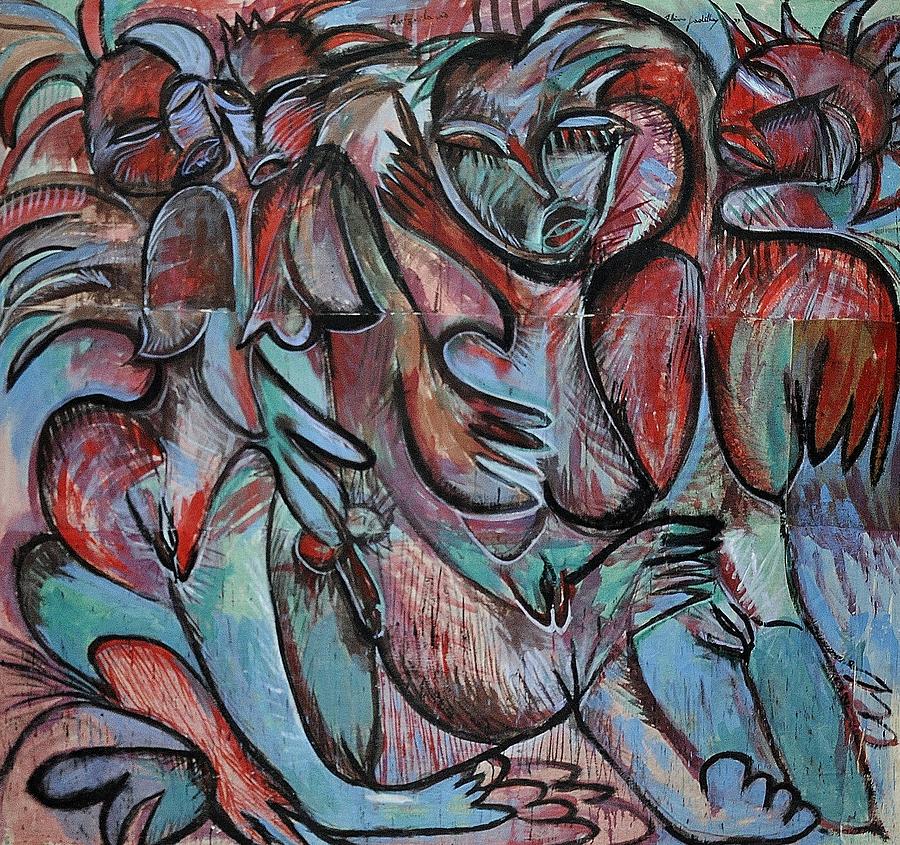
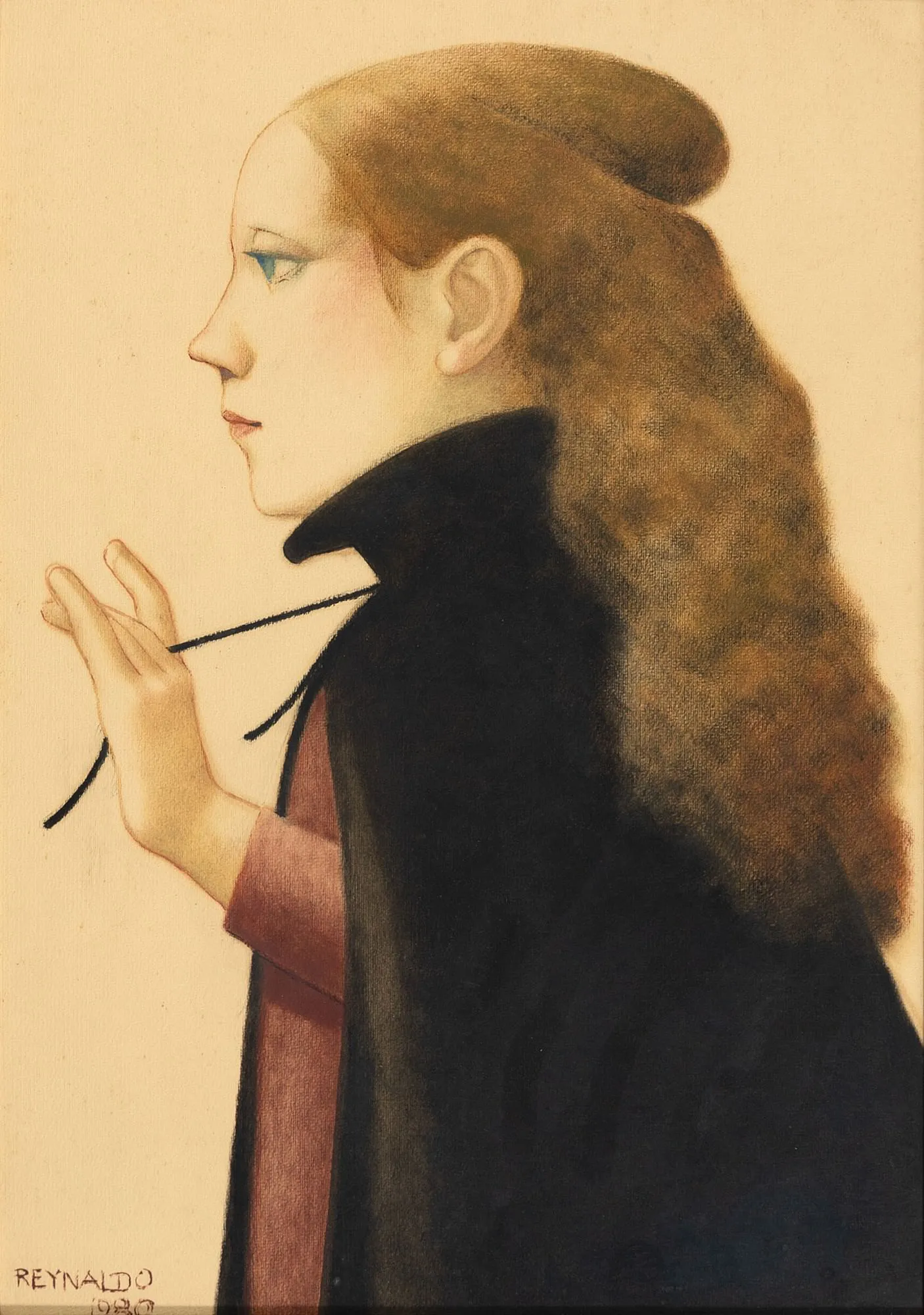
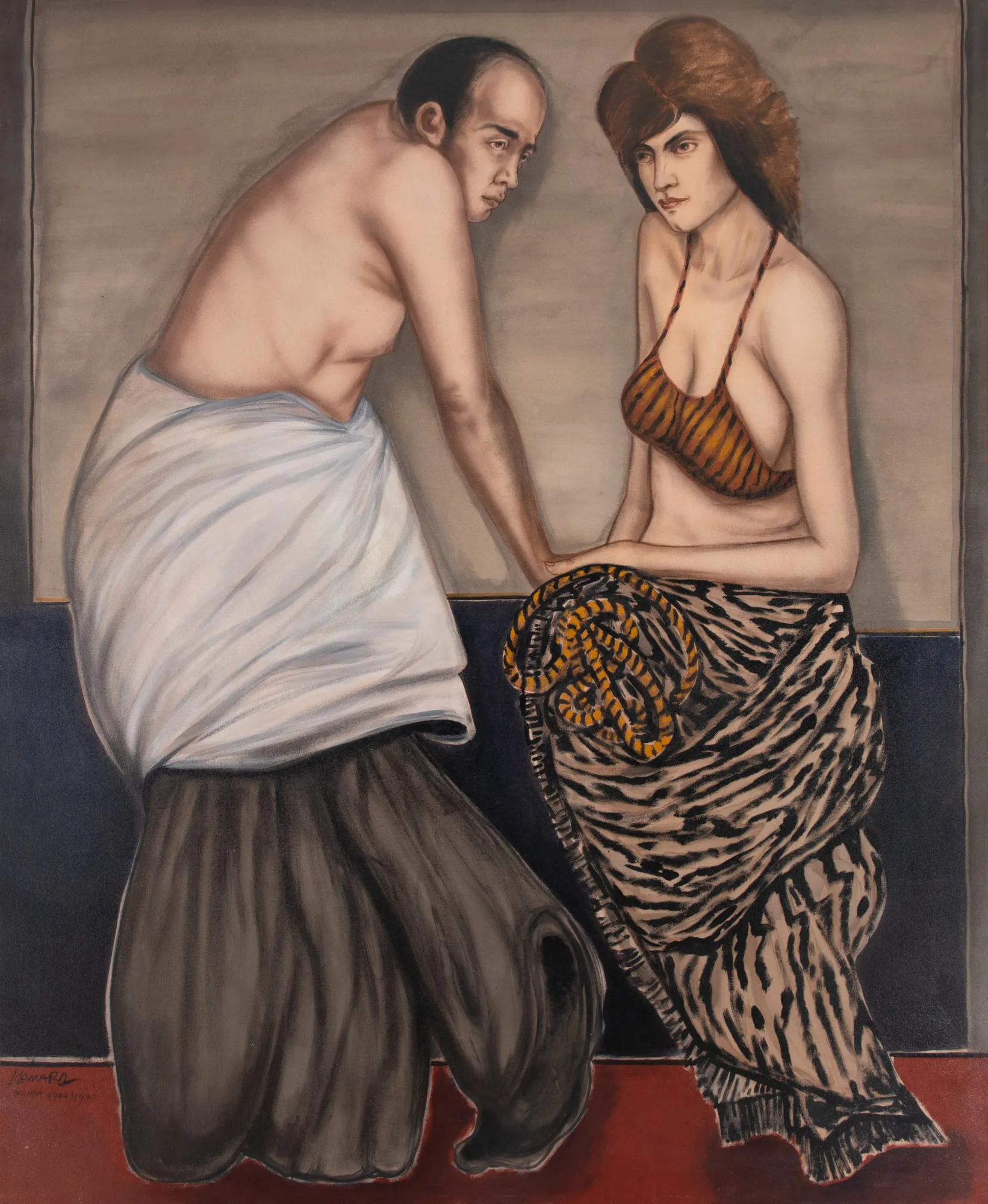
Since the 1960s, Câmara's artistic production has been strikingly marked by the recurrent presence of the human figure. His canvases are populated by bodies that are "structurally defined," yet often appear in states of "fragmentation" and "deformation," set against "dense scenarios." This unique approach to figuration transcends mere representation; it delves into the psychological and social complexities of existence. Câmara's figures are not passive subjects but active participants in narratives that hint at deeper truths, often reflecting the human condition with a raw intensity. The deformations and fragmentations suggest a world in flux, perhaps echoing the socio-political turbulences of Brazil, or the internal landscapes of individuals grappling with their realities. His "dense scenarios" are not just backdrops but integral components, enveloping the figures in an atmosphere that is both specific and universal, inviting viewers to unpack layers of meaning.
However, to pigeonhole João Câmara as solely a figurative painter would be to miss a crucial dimension of his genius. His artistic practice, while deeply rooted in the human form, also extends into radical conceptual territories that interrogate the very essence of painting and art-making. A prime example of this daring spirit is his iconic project, Voile/Toile – Toile/Voile, conceived in Berlin in 1975. This work epitomizes Câmara's intellectual rigor and his willingness to challenge established conventions. In this series, he transformed actual boat sails into paintings, effectively blurring the lines between object and art.
The title itself, Voile/Toile – Toile/Voile (Sail/Canvas – Canvas/Sail), explicitly articulates the conceptual displacement proposed by the artist. Câmara, with profound insight, articulated two central fields of 20th-century modernism: abstract painting and the readymade. By taking an existing, functional object – a boat sail – and presenting it as a canvas, he engaged directly with Marcel Duchamp's revolutionary idea of the readymade, while simultaneously creating works that possessed an "intrinsic pictorial quality." He incorporated elements like vertical stripes, which contemporary art enthusiasts would recognize as a nod to conceptual artist Daniel Buren's "visual tool," further cementing his work within a global dialogue of artistic innovation. This project wasn't just about painting on a sail; it was about the sail becoming the painting, fundamentally altering its context and challenging the viewer to reconsider the boundaries of art.

Source: escritoriodearte.com. Credibility: 0.9.
João Câmara's contribution to Brazilian art is multifaceted and profound. As an artist from the Northeast, he brings a unique sensibility to his work, even as he engages with universal themes and global art movements. His ability to navigate between the deeply personal and the broadly conceptual, between the tangible human form and the abstract idea, marks him as a truly original voice. His "dense scenarios" and fragmented figures can be seen as reflections of the rich, often complex, history and social dynamics of Brazil, offering a visual commentary that resonates deeply with local and international audiences alike.
Beyond his prolific output, Câmara's roles as a professor and critic underscore his commitment to fostering artistic discourse and nurturing new generations of artists. His work serves as a powerful reminder that art can simultaneously be an intimate exploration of the self and a robust interrogation of its own medium. He doesn't just paint; he asks fundamental questions about what painting is, what it can be, and how it connects with human experience.
João Câmara stands as a pivotal figure in Brazilian visual arts, a master who dared to unfurl boat sails into profound artistic statements while never losing sight of the human stories etched within his canvases. His legacy is one of relentless innovation and deep contemplation, a testament to an artist who consistently pushed boundaries, transforming everyday objects and human figures into timeless reflections on art, life, and the vibrant soul of Brazil.
Fontes:
(1) Itaú Cultural - https://enciclopedia.itaucultural.org.br/pessoas/598-joao-camara
(2) escritoriodearte.com - https://www.escritoriodearte.com/artista/joao-camara
(3) Arte Brasileiros - https://artebrasileiros.com.br/opiniao/conversa-de-barr/joao-camara-e-a-verdadeira-arte-brasileira/
Imagem de capa: Source: escritoriodearte.com. Credibility: 0.9.
This article is part of the CASCA Archive, documenting visual artists from Northeast Brazil. Story about João Câmara.