João Alves: The Forgotten Voice of Salvador's Streets
João Alves was born in Bahia, though the exact details of his birth remain shrouded in the kind of historical obscurity that often befalls artists from marginalized communities.
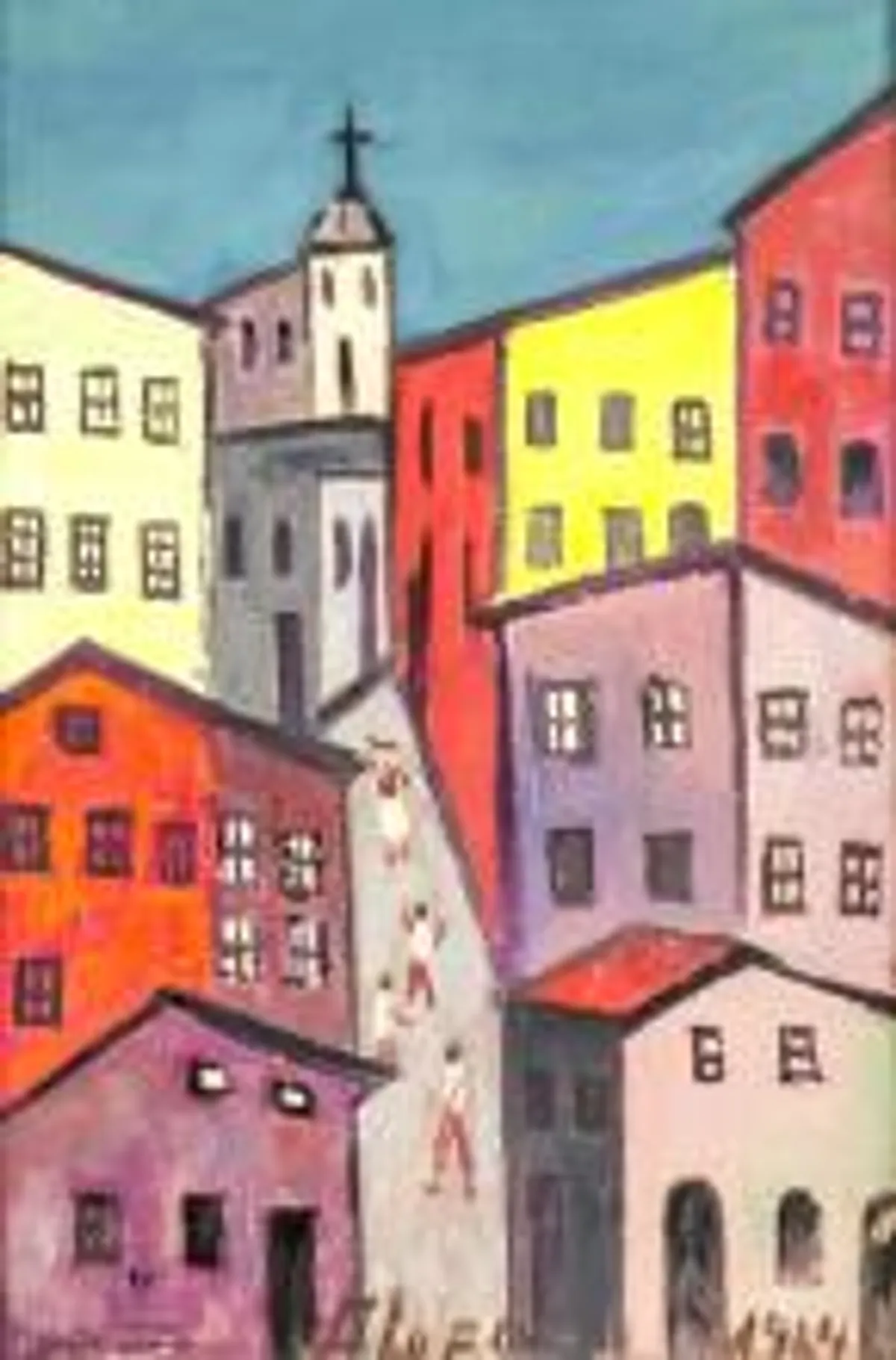
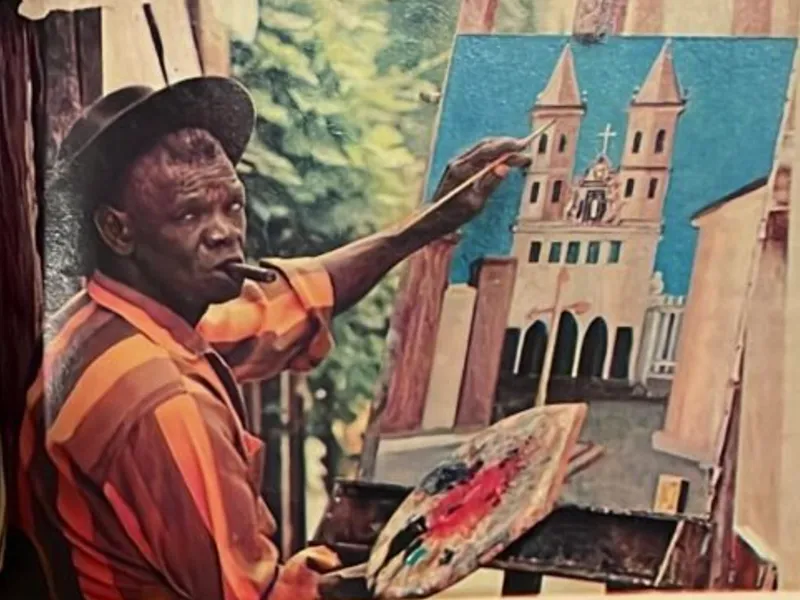
In the cobblestone alleys of Salvador's historic Pelourinho district, where Afro-Brazilian culture pulses through every corner and the scent of acarajé mingles with the sound of berimbau, an artist once walked these streets with paintbrush in hand. João Alves, known as "O Pintor da Cidade" (The City's Painter), emerged from the shadows of Brazil's art history as a powerful voice that refused to be silenced by the cultural elite's narrow definitions of what constituted "legitimate" art.
His story is one of resilience, authenticity, and the complex relationship between class, race, and artistic recognition in 20th-century Brazil—a narrative that resonates deeply with the ongoing struggles for cultural representation in Latin American art.
João Alves was born in Bahia, though the exact details of his birth remain shrouded in the kind of historical obscurity that often befalls artists from marginalized communities. What we do know is that he belonged to the working class of Salvador, living and creating in the heart of Pelourinho—a neighborhood that served as both his home and his greatest source of artistic inspiration.
For Alves, painting was not merely an artistic pursuit but a means of survival. In a society where formal employment opportunities for Afro-Brazilian men were severely limited, art became both refuge and livelihood. Yet this economic necessity never diminished the profound social consciousness that permeated his work. His canvases became windows into the daily reality of Salvador's Black community, capturing moments of joy, struggle, and resistance that the mainstream art world often overlooked or deliberately ignored.
Pelourinho, with its baroque colonial architecture and vibrant street life, provided Alves with an inexhaustible source of subject matter. This UNESCO World Heritage site, once the center of Brazil's slave trade, had evolved into a complex cultural landscape where African traditions survived and thrived despite centuries of oppression.
Through his paintings, Alves documented this world with an intimacy that could only come from lived experience. His work captured the vendors selling their wares on street corners, the children playing capoeira in the squares, the religious processions that wound through the narrow streets, and the everyday interactions that formed the social fabric of his community. These weren't romanticized tourist postcards of Bahian culture—they were honest, unvarnished portraits of life as it was actually lived.
![Artwork by [PDF] JOÃO ALVES, O PINTOR DA CIDADE](https://images.weserv.nl/?url=https%3A%2F%2Fmedia.mutualart.com%2FImages%2F2024_08%2F07%2F12%2F121044786%2F206a7a86-dae7-4cb4-a124-0b1374954b2c_570.Jpeg&%3Bw=800&%3Boutput=webp)
Image from Google Images search. Educational use.
His artistic practice was deeply rooted in what scholars call "experiência vital"—vital experience. Unlike formally trained artists who might approach Afro-Brazilian culture as external observers, Alves painted from within, sharing the same social class and daily struggles as his subjects. This authenticity gave his work a power and immediacy that resonated strongly with his community, even as it was dismissed by the cultural establishment.
The Brazilian art world of Alves' era was dominated by European aesthetic standards and elitist cultural gatekeepers who systematically marginalized artists from working-class and Afro-Brazilian backgrounds. These cultural arbiters frequently dismissed such artists' work as "primitive"—a loaded term that revealed deep-seated prejudices about race, class, and cultural value.
For many artists facing this institutional barrier, the temptation was to conform to these limiting expectations, accepting the "primitive" label as a path to recognition, however condescending. But Alves represented something different. Despite the economic pressures that drove him to paint, he refused to compromise his social vision or sanitize his perspective for the comfort of elite audiences.
This resistance came at a cost. While some of his contemporaries who embraced the "primitive" designation found their way into galleries and collections, Alves remained largely outside the formal art market. His commitment to depicting the authentic experiences of his community—with all their complexity and political implications—made him less palatable to collectors seeking exotic but unthreatening representations of Brazilian culture.
Today, as Brazil and the broader art world grapple with questions of representation, cultural appropriation, and historical justice, João Alves' story takes on new significance. His work represents a form of visual testimony—a record of Afro-Brazilian life created by someone who lived it fully and refused to apologize for his perspective.
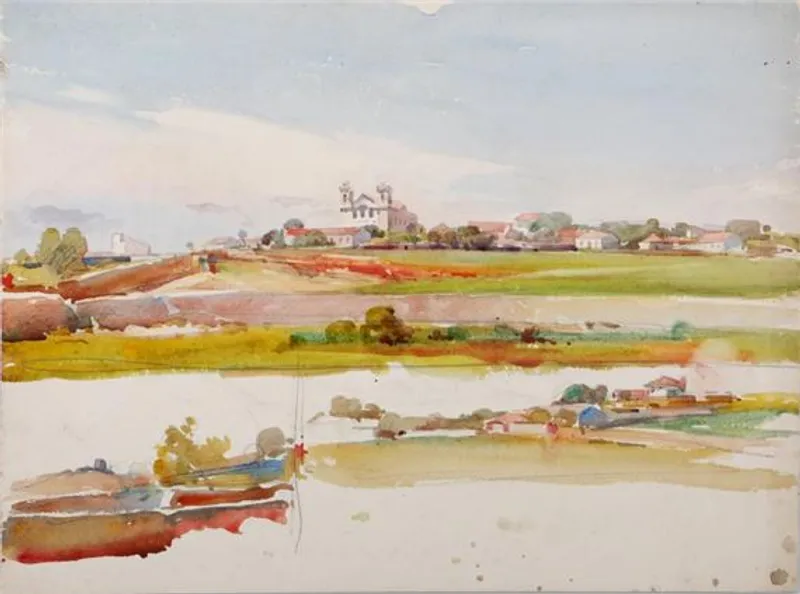
![Artwork by [PDF] JOÃO ALVES, O PINTOR DA CIDADE](https://images.weserv.nl/?url=https%3A%2F%2Fwww.escritoriodearte.com%2Fquadro%2Fjoao-alves-sem-titulo-oleo-sobre-tela-25707p.webp&%3Bw=800&%3Boutput=webp)
Image from Google Images search. Educational use.
The recent scholarly attention to Alves, including academic research that has begun to rescue his legacy from obscurity, reflects a broader movement to reclaim and celebrate previously marginalized voices in Brazilian art history. This reconsideration is not merely about correcting historical oversights; it's about recognizing the profound cultural and artistic value of work that was dismissed because it emerged from the "wrong" social position.
Alves' paintings serve as powerful reminders that artistic excellence and cultural significance are not determined by formal training or institutional approval. His work demonstrates that the most compelling art often comes from artists who have something urgent to say about their world—and the courage to say it without compromise.
In an era when discussions about diversity and inclusion in the arts have reached global prominence, João Alves' story offers both inspiration and caution. His unwavering commitment to his community and his refusal to dilute his vision for mainstream acceptance exemplify the kind of artistic integrity that produces truly meaningful work.
The streets of Pelourinho continue to bustle with life, and new generations of artists carry forward the tradition of documenting and celebrating Afro-Brazilian culture. In their work, we can see echoes of João Alves' pioneering vision—a reminder that the most powerful art often comes from those who paint not just what they see, but what they have lived.
As Brazil continues to confront its complex racial and social history, artists like João Alves serve as crucial bridges between past and present, offering perspectives that enrich our understanding of what Brazilian art can be when it embraces all of its voices—not just those deemed acceptable by traditional gatekeepers.
Fontes:
(1) Universidade Federal da Bahia - https://ppgav.ufba.br/sites/ppgav.ufba.br/files/dissertacao_marciolima_parte01-merged.pdf
This article is part of the CASCA Archive, documenting visual artists from Northeast Brazil. Story about [PDF] JOÃO ALVES, O PINTOR DA CIDADE.