João Alves: The Painter Who Captured Salvador's Soul
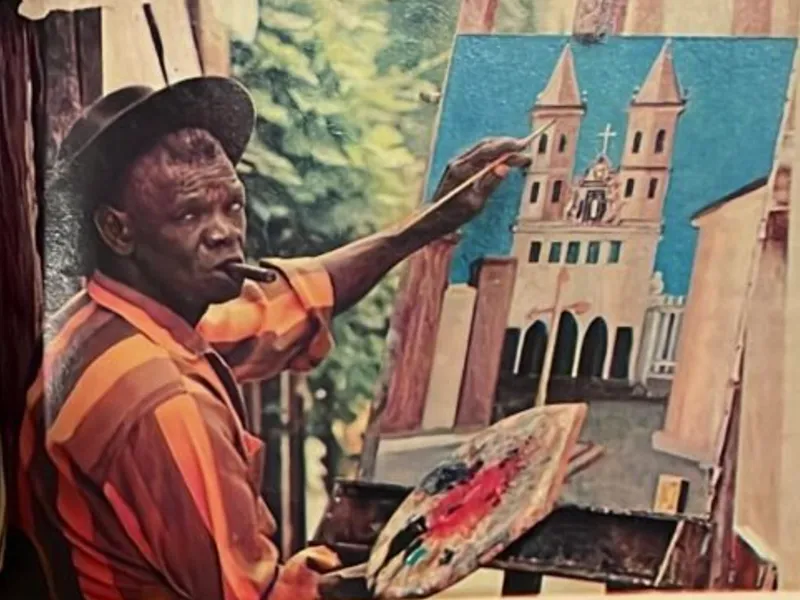
In the cobblestone streets of Salvador's historic Pelourinho district, where colonial architecture bears witness to centuries of Brazilian history, an artist named João Alves picked up his brush not just to create, but to survive.
In the cobblestone streets of Salvador's historic Pelourinho district, where colonial architecture bears witness to centuries of Brazilian history, an artist named João Alves picked up his brush not just to create, but to survive. His story illuminates a profound tension in Brazilian art history: the struggle of marginalized artists to claim their rightful place in a cultural landscape that too often dismissed their work as "primitive."
João Alves emerged from the vibrant yet challenging environment of Bahia, Brazil's cultural heartland and the birthplace of Afro-Brazilian traditions that continue to shape the nation's identity. While the exact details of his birth remain undocumented—a common fate for many artists from marginalized communities—his artistic legacy speaks volumes about the rich creative traditions that flourished in Salvador's most iconic neighborhood.
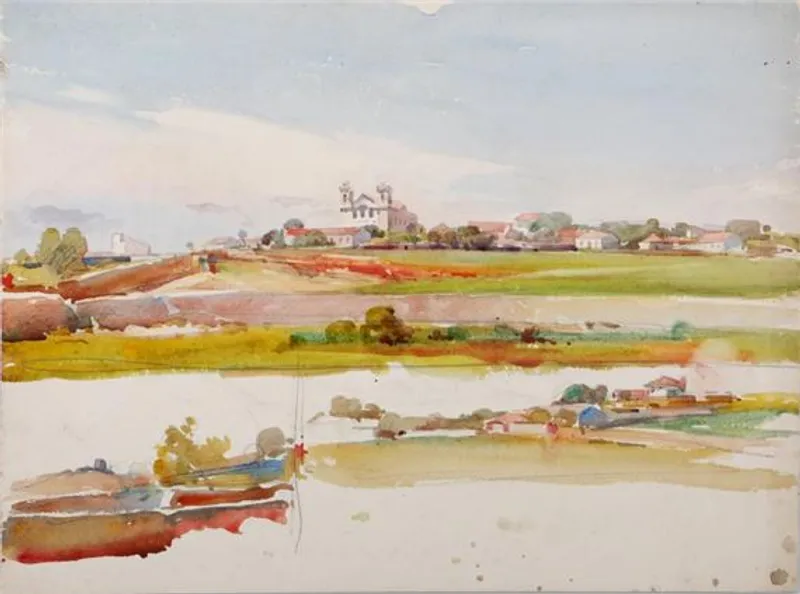
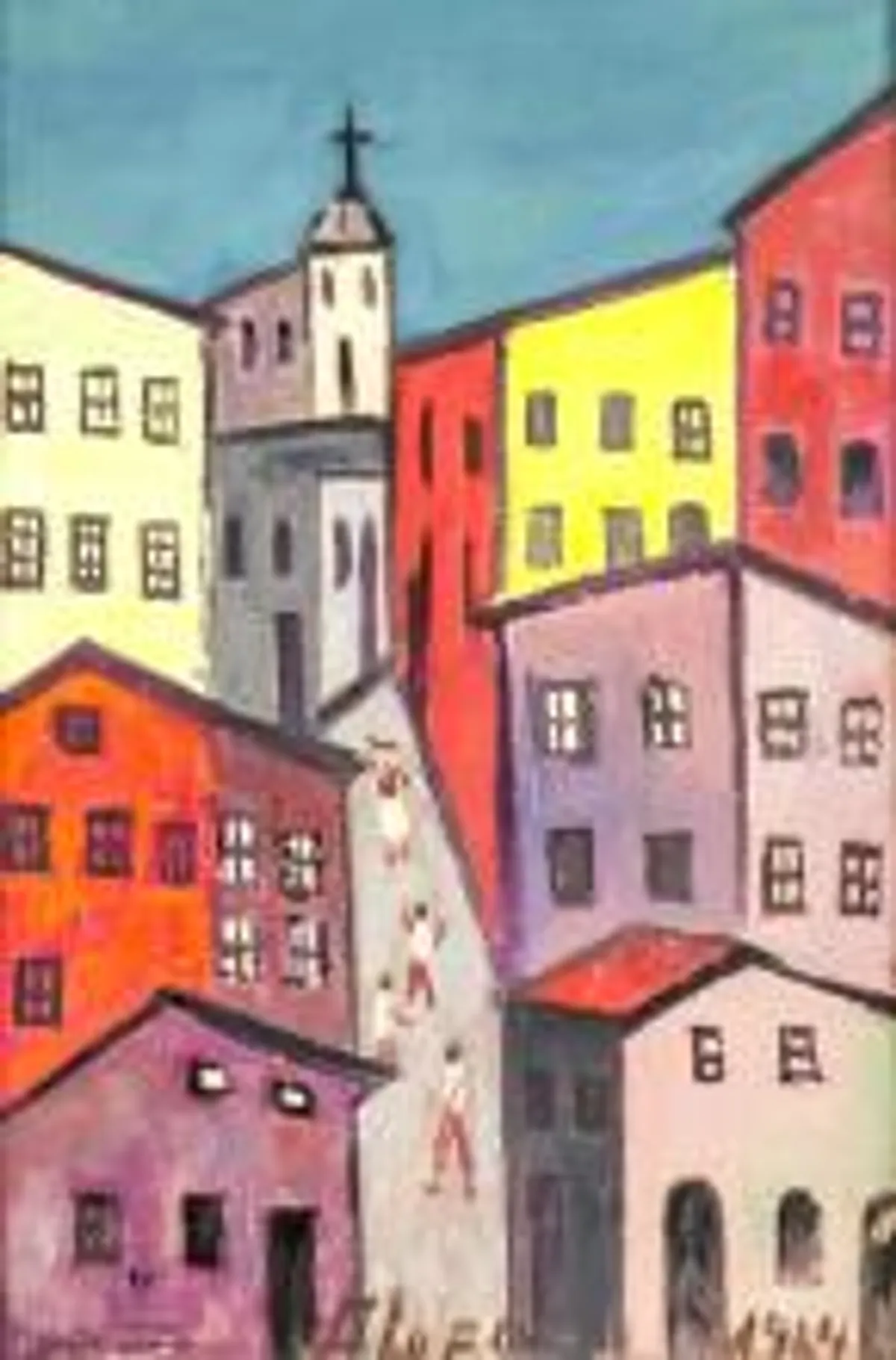
Pelourinho, Salvador's historic center, served as both home and inspiration for João Alves. This UNESCO World Heritage site, with its pastel-colored colonial buildings and baroque churches, has long been a crucible of Afro-Brazilian culture. It was here, among the descendants of enslaved Africans and the working-class communities that called these streets home, that Alves developed his distinctive artistic voice.
![Artwork by [PDF] JOÃO ALVES, O PINTOR DA CIDADE](https://images.weserv.nl/?url=https%3A%2F%2Fmedia.mutualart.com%2FImages%2F2024_08%2F07%2F12%2F121044786%2F206a7a86-dae7-4cb4-a124-0b1374954b2c_570.Jpeg&%3Bw=800&%3Boutput=webp)
Image from Google Images search. Educational use.
The neighborhood's complex history—from its colonial origins as a site of public punishment (pelourinho means "pillory" in Portuguese) to its transformation into a center of Black resistance and cultural expression—provided rich material for an artist attuned to social realities. Alves didn't merely paint the picturesque facades that attracted tourists; he captured the lived experiences of his community, the daily struggles and triumphs of people who shared his social circumstances.
What makes João Alves particularly compelling as an artist is how he navigated the intersection of economic necessity and artistic integrity. Painting became his means of survival, yet he refused to compromise his social vision to appease elite expectations. This balance required remarkable strength of character in a cultural environment that systematically devalued the artistic contributions of Afro-Brazilian and working-class creators.
![Artwork by [PDF] JOÃO ALVES, O PINTOR DA CIDADE](https://images.weserv.nl/?url=https%3A%2F%2Fimage.invaluable.com%2FhousePhotos%2Fpasarel%2F01%2F789401%2FH19097-L399658447.jpg&%3Bw=800&%3Boutput=webp)
Image from Google Images search. Educational use.
During Alves's era, Brazil's intellectual establishment perpetuated harmful categorizations that labeled art produced by Black and poor artists as "primitive"—a designation that served to marginalize these voices while elevating European-influenced styles as sophisticated or legitimate. This classification system wasn't merely aesthetic; it was deeply political, reflecting broader patterns of racial and class discrimination that persisted long after the formal abolition of slavery in 1888.
Alves's response to this marginalization was to paint from his authentic experience, creating works that were "impregnated with his vital experience" and shared with others from his social class. His paintings became a form of cultural documentation, preserving perspectives that might otherwise have been lost to history.
![Artwork by [PDF] JOÃO ALVES, O PINTOR DA CIDADE](https://images.weserv.nl/?url=https%3A%2F%2Fwww.escritoriodearte.com%2Fquadro%2Fjoao-alves-sem-titulo-oleo-sobre-tela-25707p.webp&%3Bw=800&%3Boutput=webp)
Image from Google Images search. Educational use.
The challenge faced by João Alves reflects a broader struggle in Brazilian art history. Many talented artists from marginalized communities found themselves forced to choose between economic survival and artistic authenticity. Some accepted the "primitive" label as a pathway to recognition by the cultural elite, even if it meant having their work fundamentally misunderstood or their artistic sophistication denied.
Alves's refusal to abandon his social vision, even when painting for survival, represents a form of quiet resistance. His work challenged viewers to confront the realities of life in Pelourinho—not the romanticized version often presented to tourists, but the complex, vibrant, and sometimes harsh experiences of its actual residents.
![Artwork by [PDF] JOÃO ALVES, O PINTOR DA CIDADE](https://images.weserv.nl/?url=https%3A%2F%2Fimage.invaluable.com%2FhousePhotos%2Fpasarel%2F91%2F735691%2FH19097-L308955432.jpg&%3Bw=800&%3Boutput=webp)
Image from Google Images search. Educational use.
This approach positioned him within a tradition of socially conscious Brazilian art that includes figures like Candido Portinari, who depicted the struggles of workers and marginalized communities, and the later generation of artists who would more explicitly challenge racial and social hierarchies in Brazilian culture.
João Alves's story resonates powerfully with contemporary discussions about representation and authenticity in Brazilian art. His insistence on maintaining his social perspective while navigating economic pressures anticipated debates that continue today about who gets to tell which stories and how artistic value is determined.
![Artwork by [PDF] JOÃO ALVES, O PINTOR DA CIDADE](https://images.weserv.nl/?url=https%3A%2F%2Fimage.invaluable.com%2FhousePhotos%2Fpasarel%2F71%2F778071%2FH19097-L382490389.jpg&%3Bw=800&%3Boutput=webp)
Image from Google Images search. Educational use.
The Pelourinho that Alves knew has undergone significant transformation, with urban renewal projects that have both preserved its architectural heritage and, critics argue, displaced many of the communities that gave the neighborhood its cultural vitality. In this context, Alves's paintings serve as historical documents, capturing a moment when the area was home to a thriving working-class Afro-Brazilian community.
His work also speaks to the ongoing challenge of creating space for diverse voices in Brazilian cultural institutions. While the country has made significant strides in recognizing the contributions of Black and Indigenous artists, the patterns of marginalization that Alves experienced continue to influence how artistic value is assigned and cultural narratives are constructed.
João Alves's legacy lies not just in the paintings he created, but in his demonstration that authentic artistic vision cannot be separated from lived experience. His refusal to conform to elite expectations while maintaining his commitment to documenting his community's reality offers a model for artists who refuse to choose between commercial success and cultural integrity.
In Salvador's Pelourinho today, tourists can walk the same streets that inspired Alves's work. But to truly understand his contribution to Brazilian art, one must look beyond the picturesque surfaces to recognize the profound humanity and social consciousness that informed his artistic practice. João Alves painted not just the city, but its soul—and in doing so, claimed his rightful place in the rich tapestry of Brazilian visual culture.
Fontes:
(1) Universidade Federal da Bahia - https://ppgav.ufba.br/sites/ppgav.ufba.br/files/dissertacao_marciolima_parte01-merged.pdf
Imagem de capa: Image from Google Images search. Educational use.
This article is part of the CASCA Archive, documenting visual artists from Northeast Brazil. Story about [PDF] JOÃO ALVES, O PINTOR DA CIDADE.