João Alves: The Self-Taught Master Who Painted a City's Soul
João Alves, known simply as "O Pintor da Cidade" (The City Painter), represents a profound shift in how Brazilian society came to understand artistic authenticity and creative legitimacy.
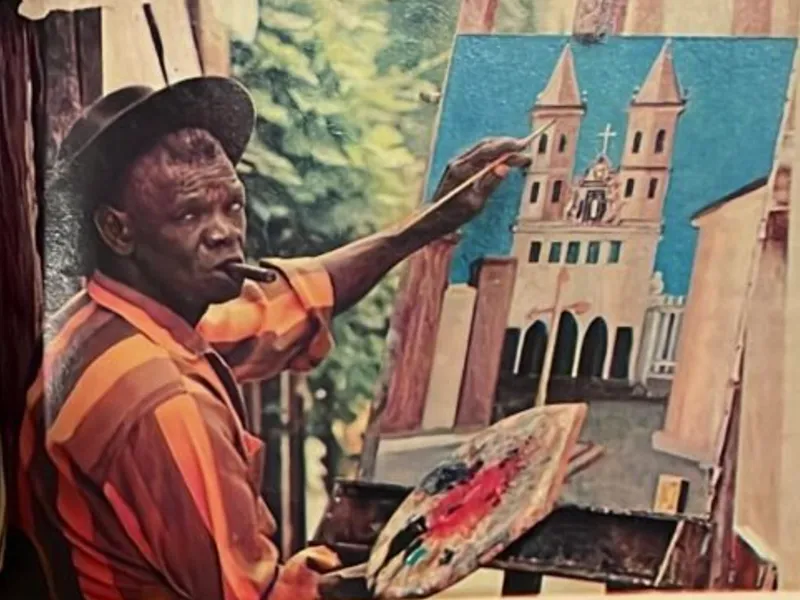
In the vibrant cultural landscape of Bahia, where African rhythms blend with Portuguese colonial architecture and indigenous wisdom, there emerged an artist whose very existence challenged the rigid boundaries of Brazil's academic art world. João Alves, known simply as "O Pintor da Cidade" (The City Painter), represents a profound shift in how Brazilian society came to understand artistic authenticity and creative legitimacy.
João Alves embodied what art historians would later recognize as a crucial moment in Brazilian visual culture—when self-taught artists began receiving "immeasurable admiration and respect" from the established art community. His story unfolds against the backdrop of a broader cultural awakening, one that sought to break free from what critics saw as the "emptiness and representational harshness of ready-made Academic models."
Born in Bahia, a state that serves as Brazil's cultural heartland, Alves emerged from humble circumstances with little formal education and limited financial resources. Yet it was precisely these apparent disadvantages that would become his greatest strengths. In an era when Brazilian intellectuals and artists were desperately seeking what they called "authenticity" and "originality"—qualities they believed had been lost to academic formalism—Alves represented something genuinely revolutionary.
The early to mid-20th century marked a period of intense cultural questioning in Brazil. The country's art establishment, long dominated by European-influenced academic traditions, was experiencing what many perceived as a creative crisis. Academic painting, with its rigid rules and imported aesthetics, seemed increasingly disconnected from Brazilian reality. Artists and critics alike yearned for a plastic-pictorial reinvention that would rupture traditional ways of making art.

Image from Google Images search. Educational use.
Enter João Alves and artists like him—autodidacts who had never set foot in formal art schools, who learned their craft through observation, experimentation, and an intuitive understanding of their surroundings. These artists offered what the academic establishment could not: an unmediated connection to Brazilian life, culture, and landscape.
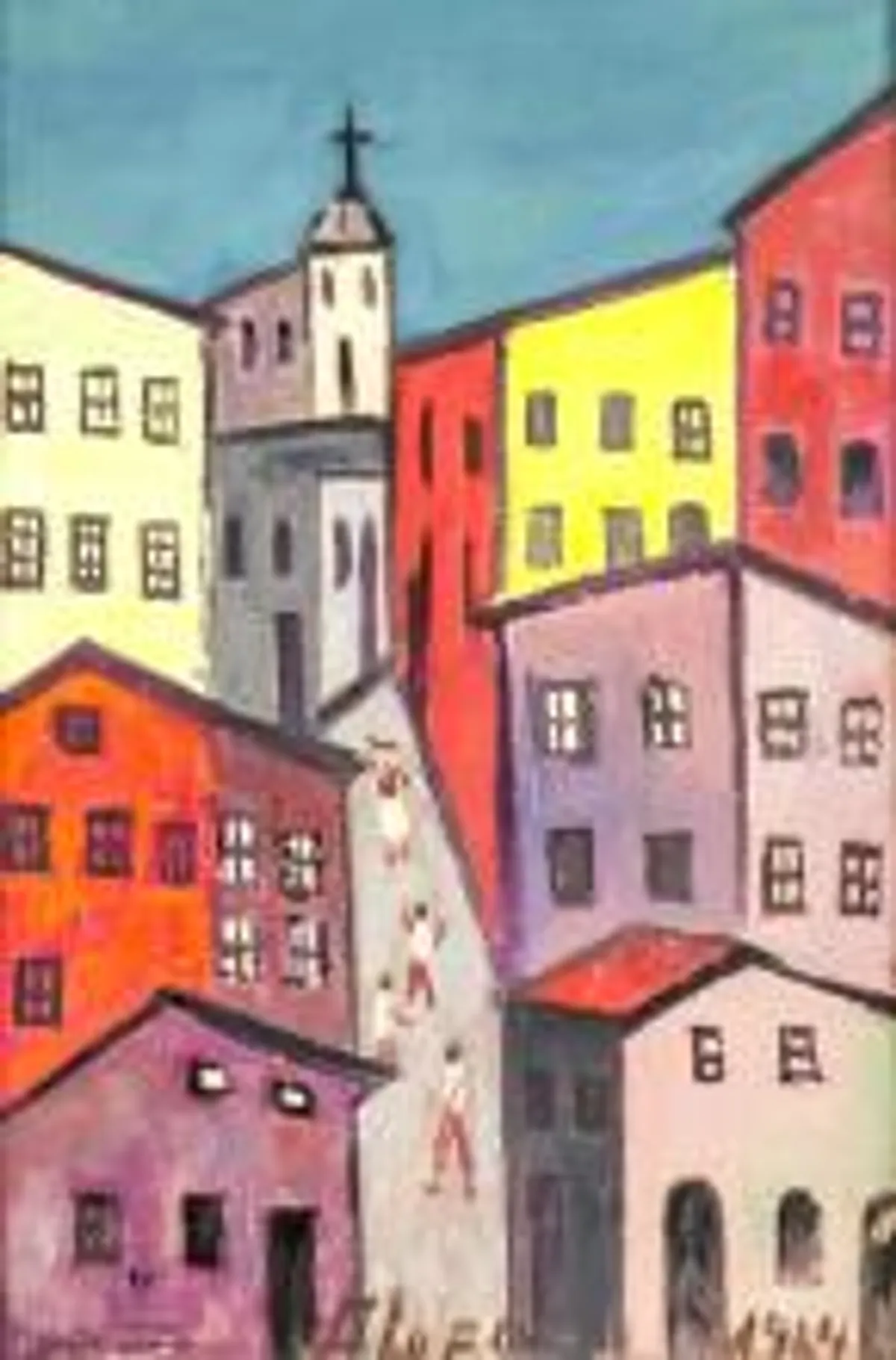
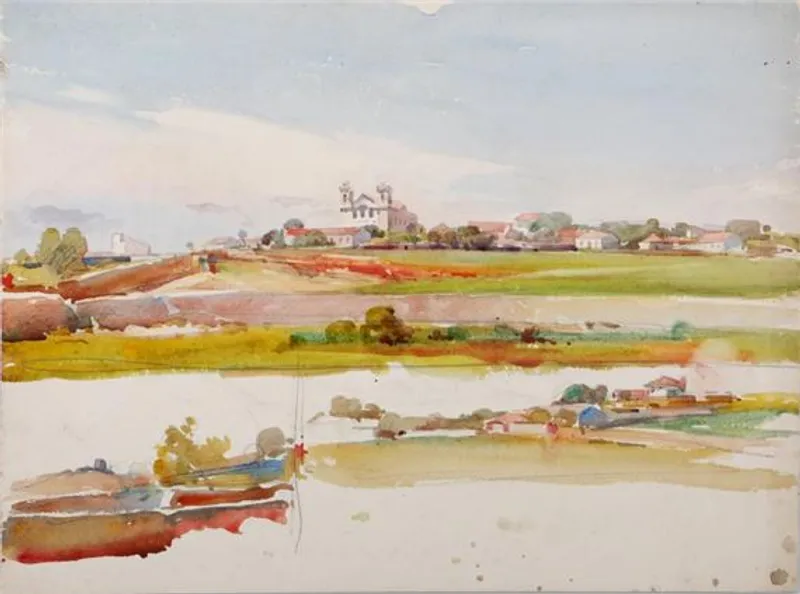
Alves's moniker, "O Pintor da Cidade," suggests an artist deeply connected to urban life and the rhythms of his community. In Bahia, this meant capturing the essence of a place where colonial churches cast shadows over bustling markets, where the descendants of enslaved Africans created new forms of cultural expression, and where the very architecture seemed to pulse with history.
His paintings likely reflected the complex social fabric of Bahian society—the interplay between sacred and secular, the vibrant street life, the architectural heritage that spoke of centuries of cultural mixing. Without formal training to constrain his vision, Alves could approach these subjects with fresh eyes, free from the preconceptions that might limit academically trained artists.

Image from Google Images search. Educational use.
The recognition of artists like João Alves marked a democratization of Brazilian art. No longer was artistic legitimacy the exclusive domain of those who could afford formal education or who had mastered European techniques. Instead, the art world began to value what these self-taught painters brought to the table: authenticity, cultural rootedness, and an unfiltered perspective on Brazilian reality.
This shift had profound implications for how Brazil understood its own cultural identity. In celebrating autodidact artists, the country was also celebrating the wisdom and creativity that existed outside elite institutions. It was an acknowledgment that artistic truth could emerge from any corner of society, particularly from those whose lives were most deeply embedded in local communities and traditions.
As an artist from Brazil's Northeast, Alves was part of a region that has consistently produced some of the country's most innovative and culturally significant artists. The Northeast, with its rich folk traditions, complex history of colonization and resistance, and vibrant popular culture, has long been a wellspring of artistic inspiration.

Image from Google Images search. Educational use.
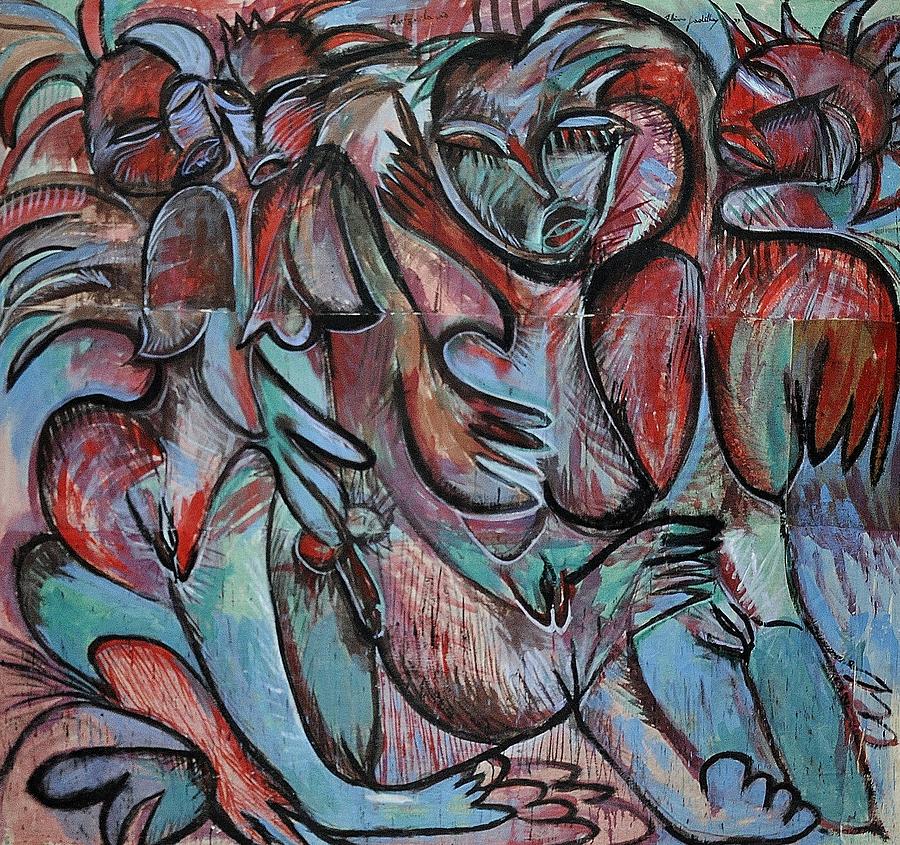
The region's artists, often working outside formal art institutions, developed distinctive approaches to color, form, and subject matter that reflected their unique cultural environment. They painted not what they had learned in art schools, but what they lived, breathed, and experienced daily.
João Alves's story is ultimately about the power of authentic artistic expression to transcend social and educational barriers. His recognition by the art establishment represented more than just individual success—it was a validation of an entire approach to creativity that privileged lived experience over formal training, cultural rootedness over imported aesthetics.
In today's globalized art world, where questions of authenticity and cultural identity remain as relevant as ever, the example of artists like João Alves continues to resonate. His life reminds us that artistic truth often emerges not from institutions or academies, but from the deep wells of community life and personal experience.

Image from Google Images search. Educational use.
The painter from Bahia who became known as "O Pintor da Cidade" may have started with few resources and no formal training, but he possessed something far more valuable: an uncompromising vision and the courage to paint the world as he saw it. In doing so, he helped reshape not just Brazilian art, but Brazilian culture's understanding of where creativity truly originates.
Fontes:
(1) Universidade Federal da Bahia - https://ppgav.ufba.br/sites/ppgav.ufba.br/files/dissertacao_marciolima_parte01-merged.pdf
Keywords: Brazilian art, Bahia, autodidact painters, Northeast Brazil, cultural authenticity, academic art, self-taught artists
This article is part of the CASCA Archive, documenting visual artists from Northeast Brazil. Story about JOÃO ALVES, O PINTOR DA CIDADE.