Eudes Mota: Where Home Becomes the Art Studio
Origins
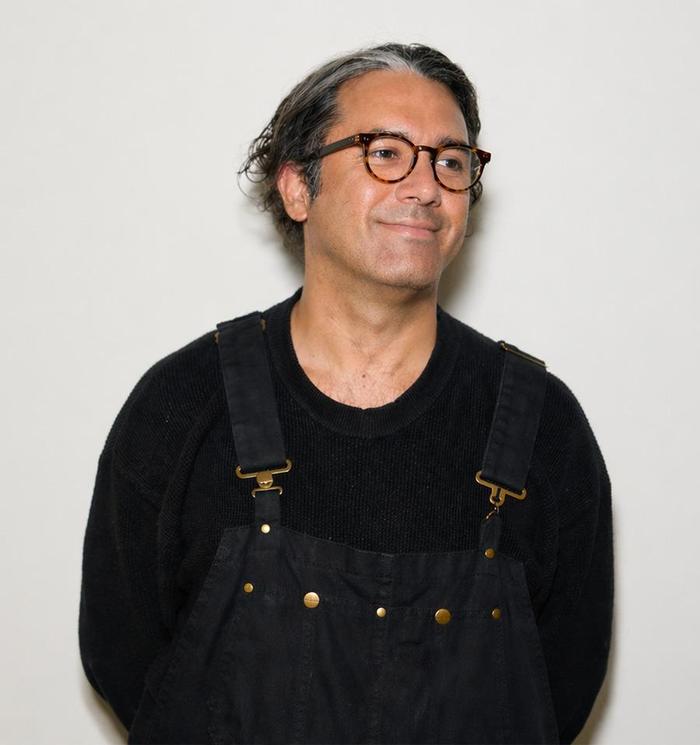
Eudes Mota carved a unique path in the vibrant landscape of Brazilian visual arts, embodying an artistic philosophy that resonated deeply with self-reliance and intimate creation. A painter by practice, Mota’s career was defined by an independent spirit, perhaps best encapsulated by the phrase "Minha casa, meu ateliê" — "My home, my studio." This wasn't merely a logistical arrangement but a profound statement about his approach to art-making and his connection to his environment. A Brazilian artist who passed away at the age of 74, Mota eschewed many conventional artistic structures, choosing instead to cultivate his craft within the personal sanctuary of his own living space. His legacy is not just in the canvases he produced, but in the compelling model of artistic autonomy he championed, influencing how artists could define their own creative and professional boundaries. See also Flávio Gadelha: The Quiet Force Shaping Pernambuco Art.
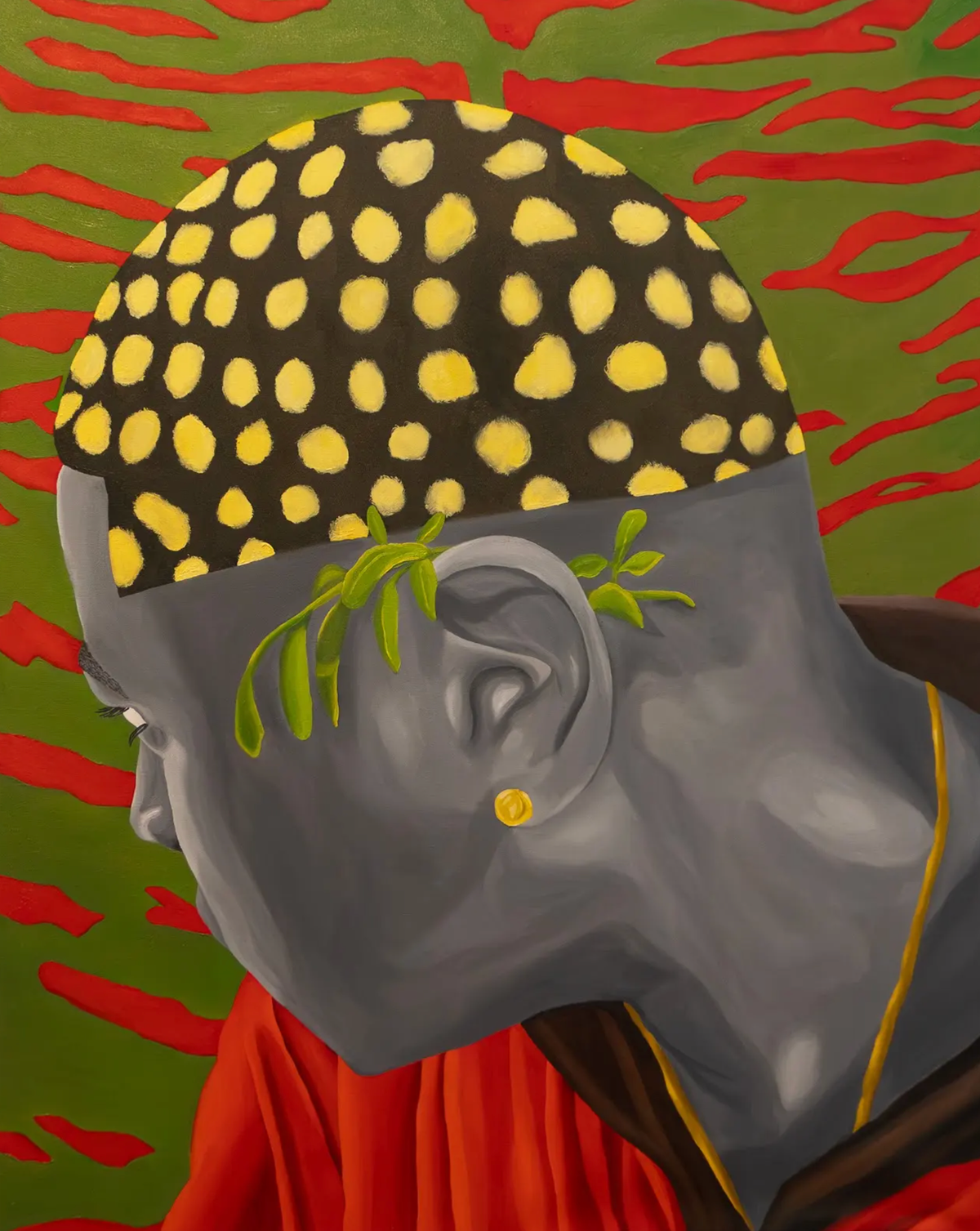
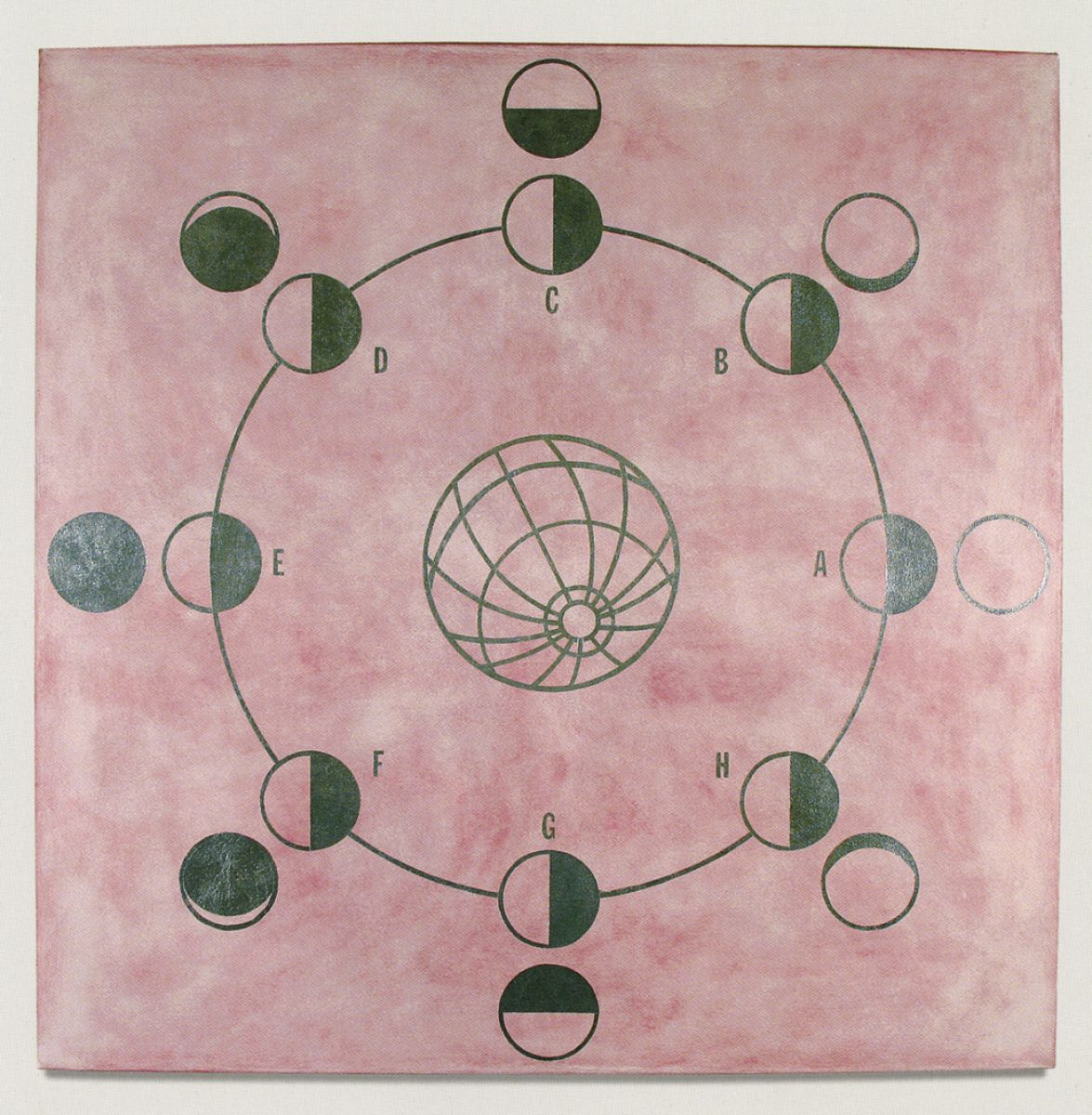
Operating from his home studio, Eudes Mota's visual language was inherently shaped by the immediate world around him. While specific titles of his works are not widely documented in public sources, his body of work can be understood through the lens of this intimate setting. One can infer that his paintings often delved into personal narratives, exploring the tangible and intangible elements that constitute domestic life. His canvases might have captured the quiet dignity of everyday objects, the play of light within familiar rooms, or perhaps even figurative studies of those closest to him. In this self-contained universe, Mota meticulously constructed his visual ideas. His compositions likely demonstrated a keen understanding of *anatomy*, whether rendering the human form or dissecting the structural elements of his surroundings, building a robust visual framework. Each brushstroke contributed to the foundational *leg*s upon which his unique artistic vision stood, giving form and substance to his deeply personal observations. See also Decoding José Rufino: Paraíba's Quiet Visionary.
Public collections
Beyond the physical confines of his home studio, Mota embraced modern tools to further his independent artistic mission. He actively maintained a personal website and a Facebook page, utilizing these digital platforms for communication and outreach. This proactive engagement with online spaces was a significant aspect of his "independentes" identity, allowing him to connect directly with an audience without relying solely on traditional gallery systems or intermediaries. This strategy not only showcased his work but also underscored his commitment to self-sufficiency, giving him direct control over his artistic narrative and market. His use of digital channels demonstrated a forward-thinking approach, proving that an artist could cultivate a meaningful presence and audience even while working from a deeply personal space, far from the bustling art centers. See also Mateus Sá: The Visual Pulse of Brazil's Sacred Territories.
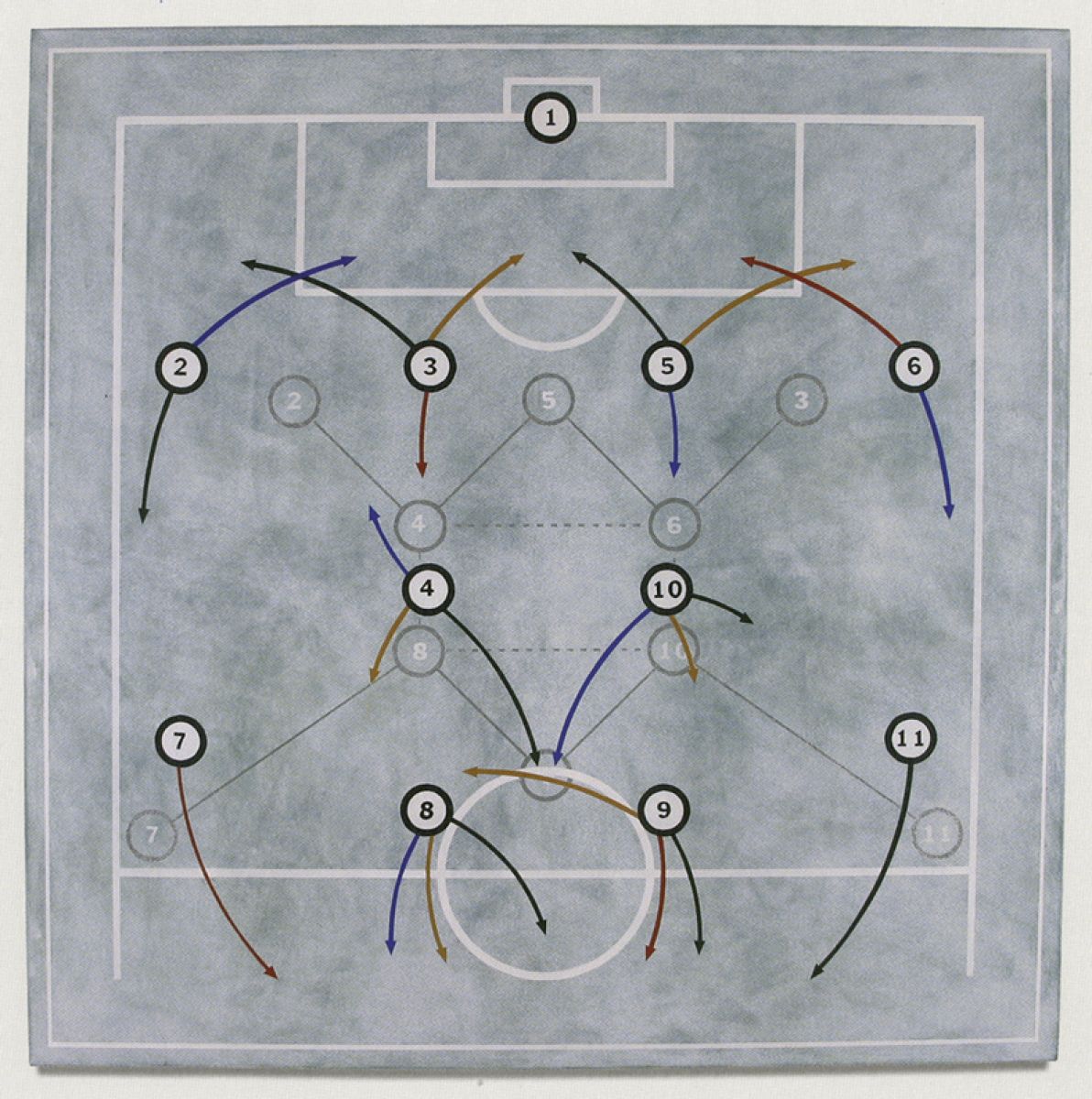
Eudes Mota's contribution to Brazilian visual arts lies not only in his painterly output but also in the powerful example of his independent practice. He demonstrated that creativity thrives not necessarily in grand institutions, but often in the dedicated, personal space of an artist's own making. His "Minha casa, meu ateliê" philosophy and his embrace of digital platforms offered a blueprint for artistic autonomy, particularly resonant in a country with diverse and often challenging cultural landscapes. Mota's work, steeped in the intimacy of his personal world, stands as a testament to the profound art that can emerge when an artist truly owns their space, their process, and their connection to the wider world, leaving behind a legacy of self-made artistry. See also Eduardo Eloy and the Precise Anatomy of Printmaking.