J. Cunha and the Tropicalismo of His Carnival Canvas
Origins
In the heart of Salvador, Bahia, where the rhythms of Africa meet the exuberance of Brazil, a distinct artistic voice emerged, shaping the visual narrative of a nation. J. Cunha, born José Antônio Cunha in 1948 on the Península de Itapagipe, is an artist whose name is inextricably linked to the very soul of Bahian culture. Through a dynamic visual practice rooted in painting, Cunha has not merely depicted his homeland; he has distilled its essence, transforming the electric energy of its streets, the profound spirituality of its traditions, and the joy of its celebrations into a vivid, compelling artistic language. An exponent of the Tropicalismo movement, Cunha’s work is a vibrant testament to Brazil’s rich cultural tapestry, celebrated from local festivals to global galleries. See also Flávio Gadelha: The Quiet Force Shaping Pernambuco Art.
J. Cunha's journey into the visual arts began early. At the age of 18, he enrolled in the free course at the Escola de Belas Artes of the Universidade Federal da Bahia, a crucial formative experience that laid the groundwork for his diverse career. While painting would become his primary medium, Cunha's artistic ventures extended far beyond the canvas. He honed his skills as a scenographer and costume designer, roles that allowed him to shape immersive visual experiences, particularly within the theatrical and festive realms. This multidisciplinary background infused his painting with a unique sense of drama, movement, and an understanding of how art interacts with space and performance. His creative imprint is also found in numerous brands, logotypes, book illustrations, album covers, and concert settings, solidifying his pervasive influence on Brazilian visual culture. However, it is his definitive link to Carnaval—for which he has created and signed iconic visual elements—that perhaps most profoundly defines his public persona and artistic inspiration. See also Cícero Dias: From Pernambuco's Soil to Parisian Skies.
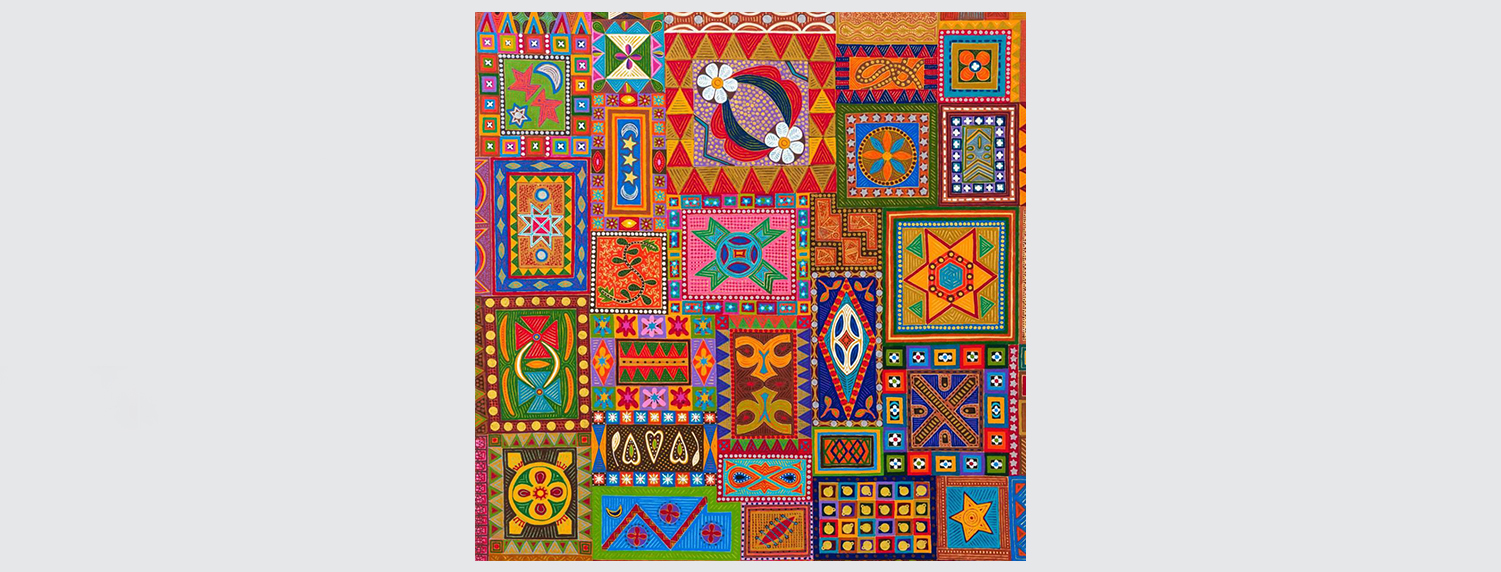
Cunha's visual practice is characterized by a remarkable "diversity of languages," as noted by critics, reflecting a fluid approach to form and expression. At its core, his painting is a celebration of color and rhythm, echoing the very heartbeat of Bahia. His work is often identified as a key expression of Tropicalismo, a cultural movement of the late 1960s that challenged traditional norms and embraced a vibrant, often irreverent, synthesis of Brazilian and international influences. In Cunha’s hands, Tropicalismo translates into a visual feast where indigenous, African, and European aesthetics converge in a distinctly Bahian idiom. His canvases burst with an energy that is both raw and refined, employing bold lines, expressive forms, and a palette that captures the intense light and vivid hues of his tropical birthplace. See also Caetano Dias: Unlocking Bahia's Vernacular Canvas.
undefined
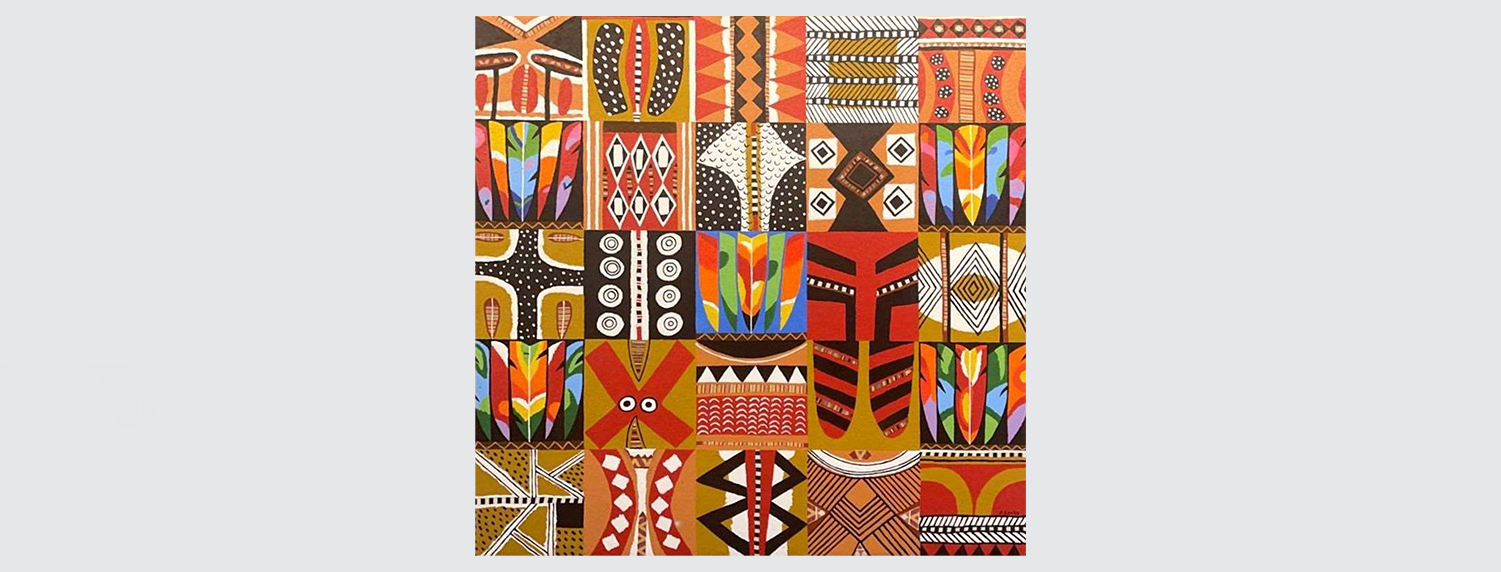
One of the most compelling bodies of work in J. Cunha’s oeuvre is intrinsically tied to the spirit of Carnaval. Given his long-standing and definitive association with the festival, his paintings frequently become a visual extension of this grand Bahian celebration. These works are not mere illustrations of Carnaval; they are distillations of its kinetic force. In his "Carnaval paintings," Cunha masterfully conveys the dynamism of the parades, the elaborate costumes, and the joyous throngs. While specific titles of individual works may be less publicized, the recurring visual characteristics of this series are unmistakable: riotous, saturated colors that evoke the dazzling spectacle of the streets; stylized figures, often depicted in motion, capturing the dance and revelry; and symbolic elements drawn from Afro-Brazilian culture, which forms the spiritual backbone of the festival. His brushstrokes appear to move with the rhythm of the drums, creating compositions that feel alive with sound and movement, inviting the viewer to partake in the collective ecstasy. Through these works, Cunha translates the ephemeral joy and cultural depth of Carnaval into enduring visual narratives, making the energy of Bahia palpable on canvas. See also Alcir Lacerda's Lens: Documenting the Sacred and the Everyday in Northeast Brazil.
Beyond the immediate celebration of Carnaval, J. Cunha’s broader artistic output consistently embodies the principles and aesthetic of Tropicalismo. His "Tropicalismo paintings" delve into a deeper exploration of Brazilian identity, characterized by cultural syncretism, a vibrant iconography, and a playful yet profound energy. These works often feature a unique blend of folk art sensibilities with a modernist edge, employing bold outlines and expressive, sometimes abstracted, forms. Cunha’s visual language in this context frequently incorporates symbols and motifs that resonate with Bahian history and spiritual traditions, reinterpreting them through a contemporary lens. The paintings might explore narratives of everyday life, mythical figures, or abstract compositions that nonetheless pulse with the same vibrant energy seen in his Carnaval pieces. This consistent engagement with Tropicalismo allows Cunha to create art that is both deeply rooted in local culture and universally appealing, reflecting on themes of identity, tradition, and modernity with a distinctive visual flair. See also Vicente do Rego Monteiro: Where Sacred Scenes Meet Sensual Forms.

undefined
J. Cunha’s artistic contributions have not gone unnoticed on the national and international stage. He has participated in important visual art biennials and numerous collective and individual exhibitions, showcasing the breadth and impact of his work. In 1997, his art reached New York, featuring in "The Refugee Project" at the African Art Museum, an exhibition that underscored the global relevance of his thematic explorations and artistic prowess. His involvement in the International Design Biennial in Saint-Étienne further highlighted his versatile talent, bridging the worlds of fine art and design with seamless creativity. More recently, in 2024, his work was prominently featured by Paulo Darzé Galeria at SP-Arte, one of Latin America's most significant art fairs, reaffirming his contemporary relevance and continued presence in the art market.
Public collections
Perhaps the most significant recognition of his career to date is the major retrospective presented at the Pinacoteca Pina Estação in São Paulo. Described as the largest exhibition of his career, this retrospective offered a comprehensive look at J. Cunha's extensive body of work, inviting audiences to immerse themselves in his vibrant universe. Such a monumental exhibition solidifies his status as a pivotal figure in Brazilian art, allowing for a deeper appreciation of his diverse artistic languages and his profound impact on the visual arts landscape.
undefined
J. Cunha’s cultural impact extends beyond the gallery walls. His work, whether on canvas, as a logotype, or adorning an album cover, has consistently celebrated and propagated the rich cultural heritage of Bahia. As an exponent of Tropicalismo, he has contributed to a movement that redefined Brazilian art and music, embracing a modern identity while honoring traditional roots. His indelible link to Carnaval means he has not only documented this cultural phenomenon but has actively shaped its visual identity, becoming a custodian and innovator of its aesthetic. Through his art, Cunha provides a window into the soul of Salvador, translating its complex layers of history, spirituality, and celebration into a universal language of color and form.
In conclusion, J. Cunha stands as a towering figure in Brazilian visual arts, a master painter whose vibrant canvases capture the very essence of Bahia. From the pulsating rhythms of Carnaval to the profound dialogues of Tropicalismo, his work is a testament to an artist deeply connected to his roots yet universally expressive. His diverse career, spanning fine art, design, and performance, underscores a boundless creativity that continues to inspire and captivate. J. Cunha’s art is an invitation to experience the dynamic spirit of Brazil, a visual journey into a world where tradition dances with modernity, and every stroke pulsates with the vibrant energy of life itself.
Fontes:
(1) Paulo Darzé Gallery - https://paulodarzegaleria.com.br/en/artistas/j-cunha/
(2) Paulo Darzé Galeria - https://paulodarzegaleria.com.br/exposicoes/sp-arte-j-cunha/
(3) Bolsa de Arte - https://www.bolsadearte.com/oparalelo/a-diversidade-de-linguagens-de-j-cunha
(4) Alma Preta - https://almapreta.com.br/sessao/cultura/exposicao-em-sao-paulo-traz-universo-de-j-cunha-expoente-baiano-do-tropicalismo/
Imagem de capa: undefined
This article is part of the CASCA Archive, documenting visual artists from Northeast Brazil. Story about J. Cunha.