
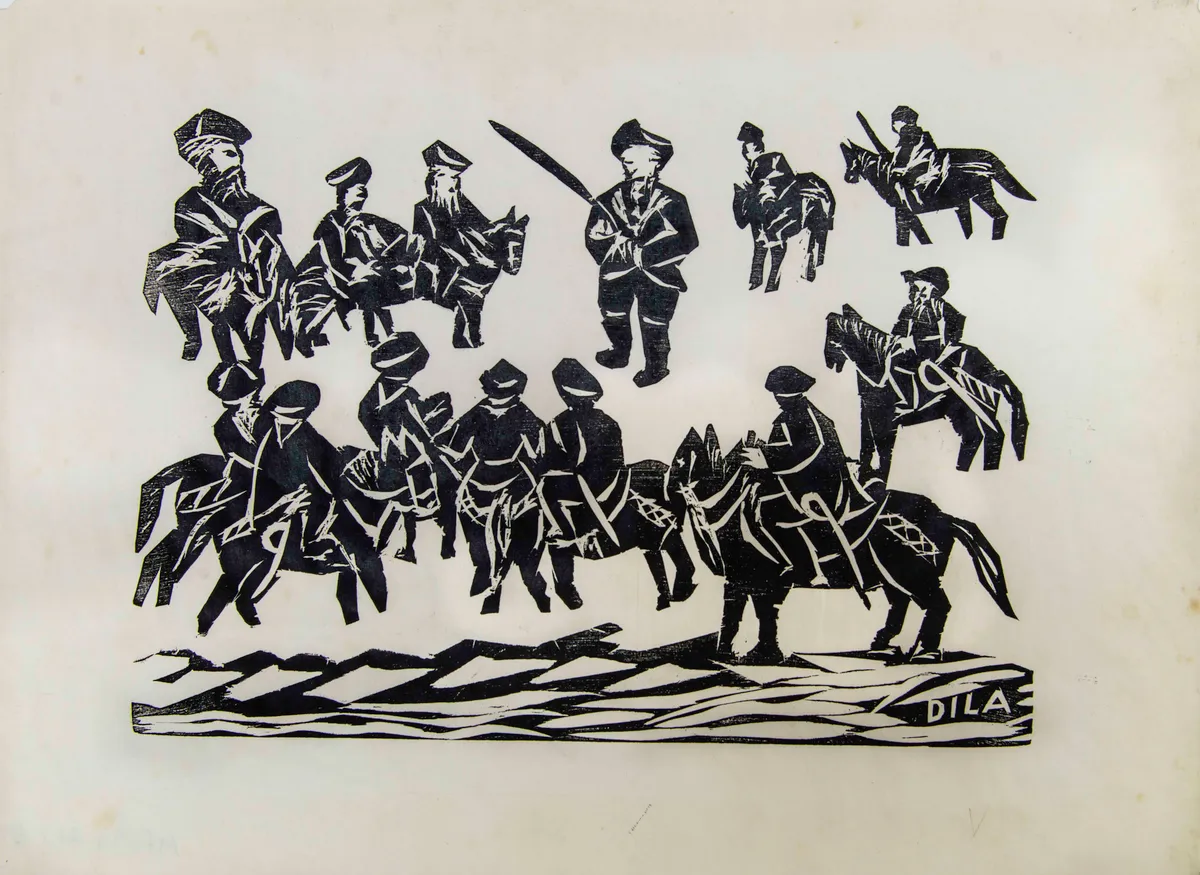
The Cangaço Chronicles: Mestre Dila's Woodcut Legacy Lives On
In the dusty streets of Caruaru, where the scent of leather mingles with the rhythm of forró music, a quiet revolution in Brazilian visual arts unfolded for over eight decades.
In the dusty streets of Caruaru, where the scent of leather mingles with the rhythm of forró music, a quiet revolution in Brazilian visual arts unfolded for over eight decades.
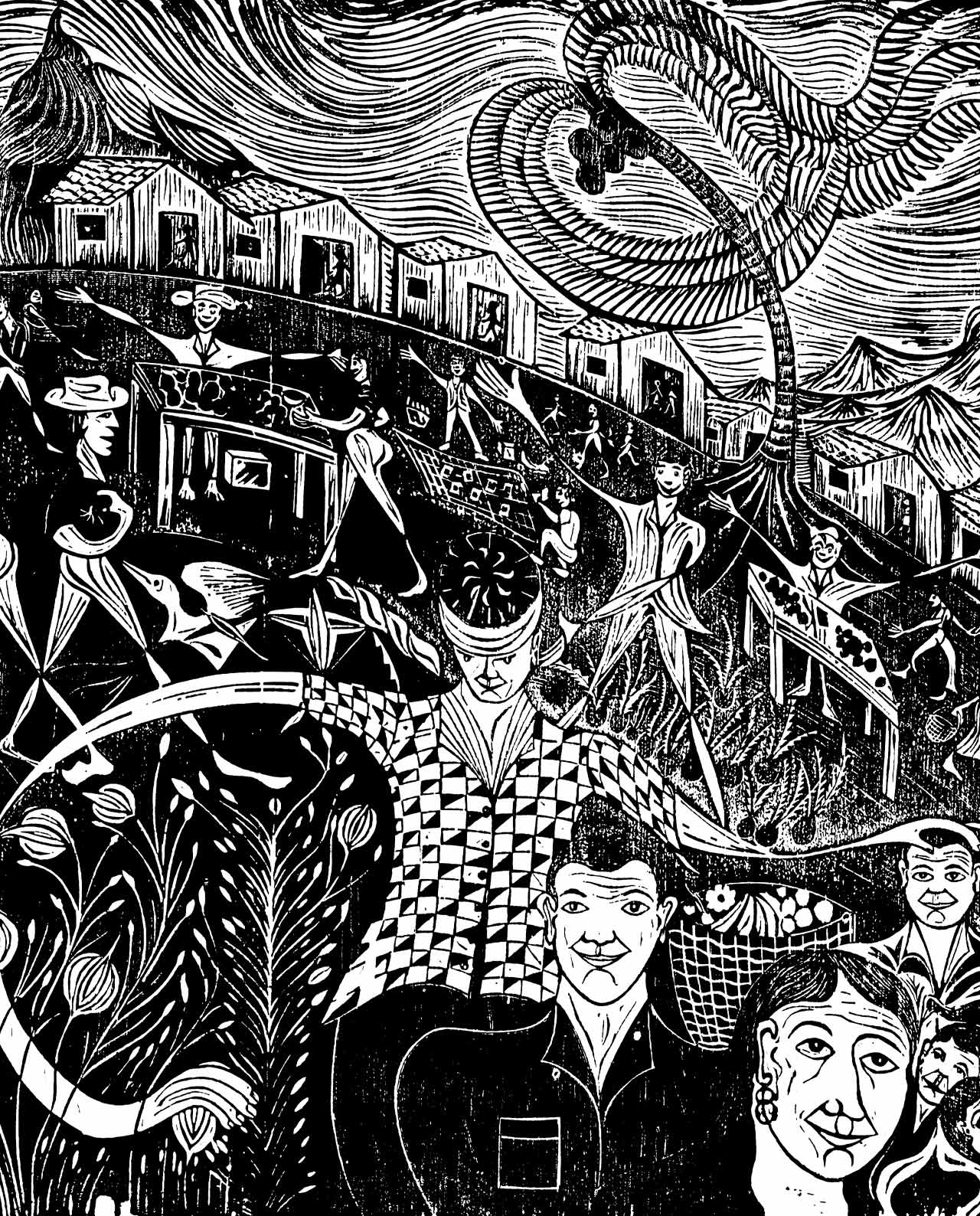
At the center of this transformation stands Mestre Stênio Diniz, an artist whose intricate carvings have earned comparisons to Van Gogh's post-impressionist paintings and Max Ernst's surrealist canvases.
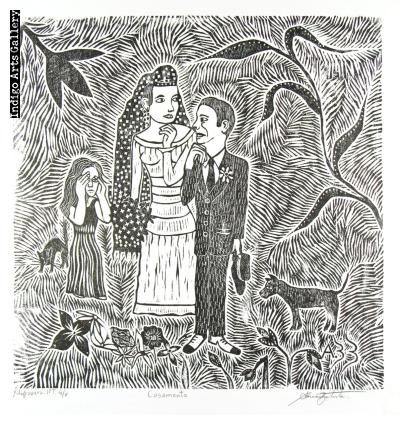
In the dusty streets of Juazeiro do Norte, where pilgrims gather to honor Padre Cícero and the arid landscape of Ceará stretches endlessly toward the horizon, an unlikely artistic revolution was brewing.
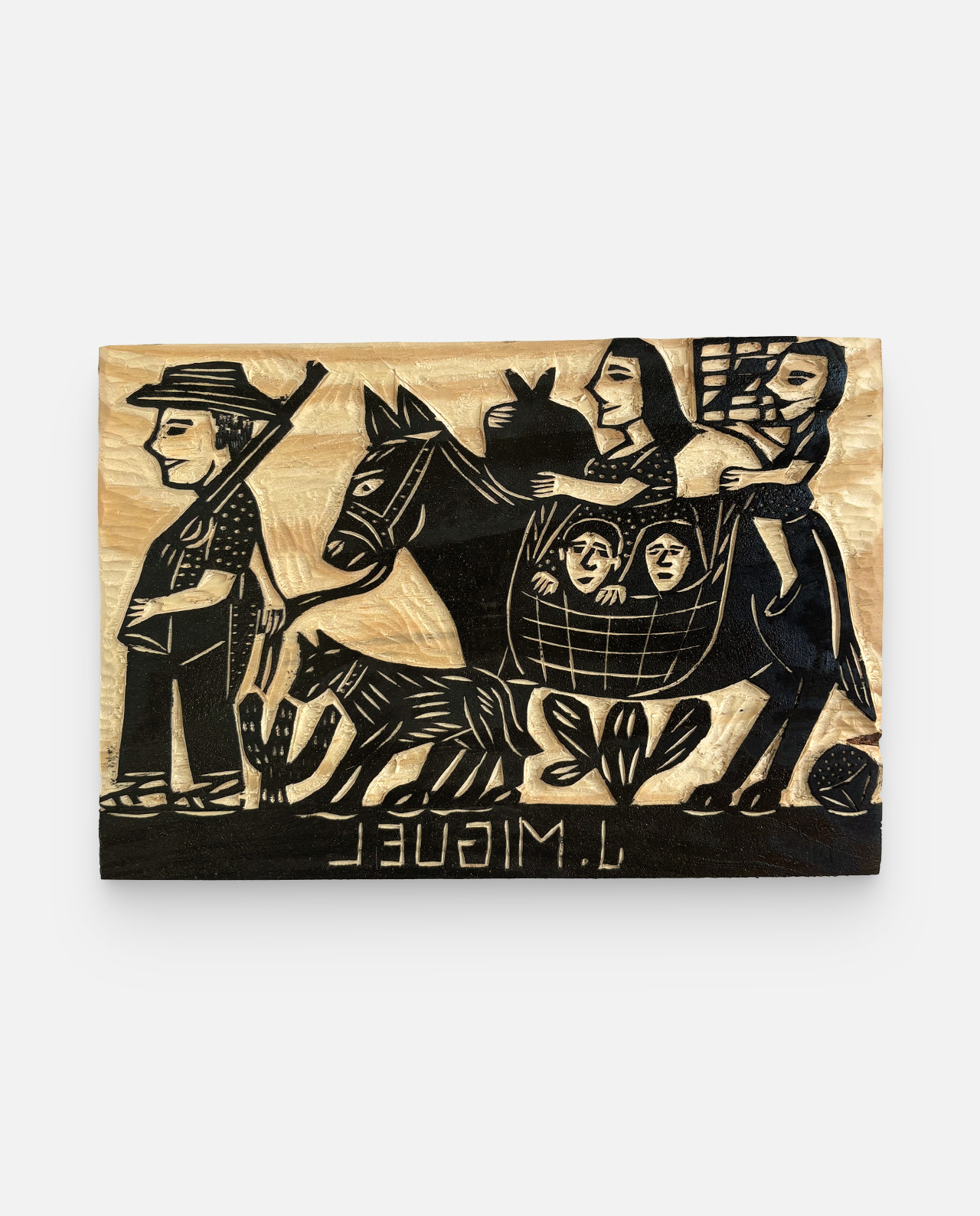
In the dusty streets of Bezerros, Pernambuco, where the scent of wood shavings mingles with the arid air of Brazil's Northeast, a quiet artistic revolution has been taking place for decades.
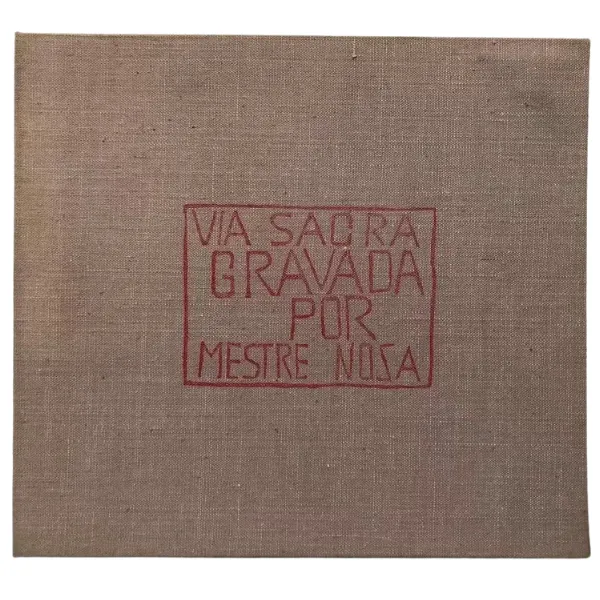
In 1912, a fifteen-year-old boy named Inocêncio da Costa Nick embarked on a pilgrimage that would forever change the landscape of Brazilian folk art.
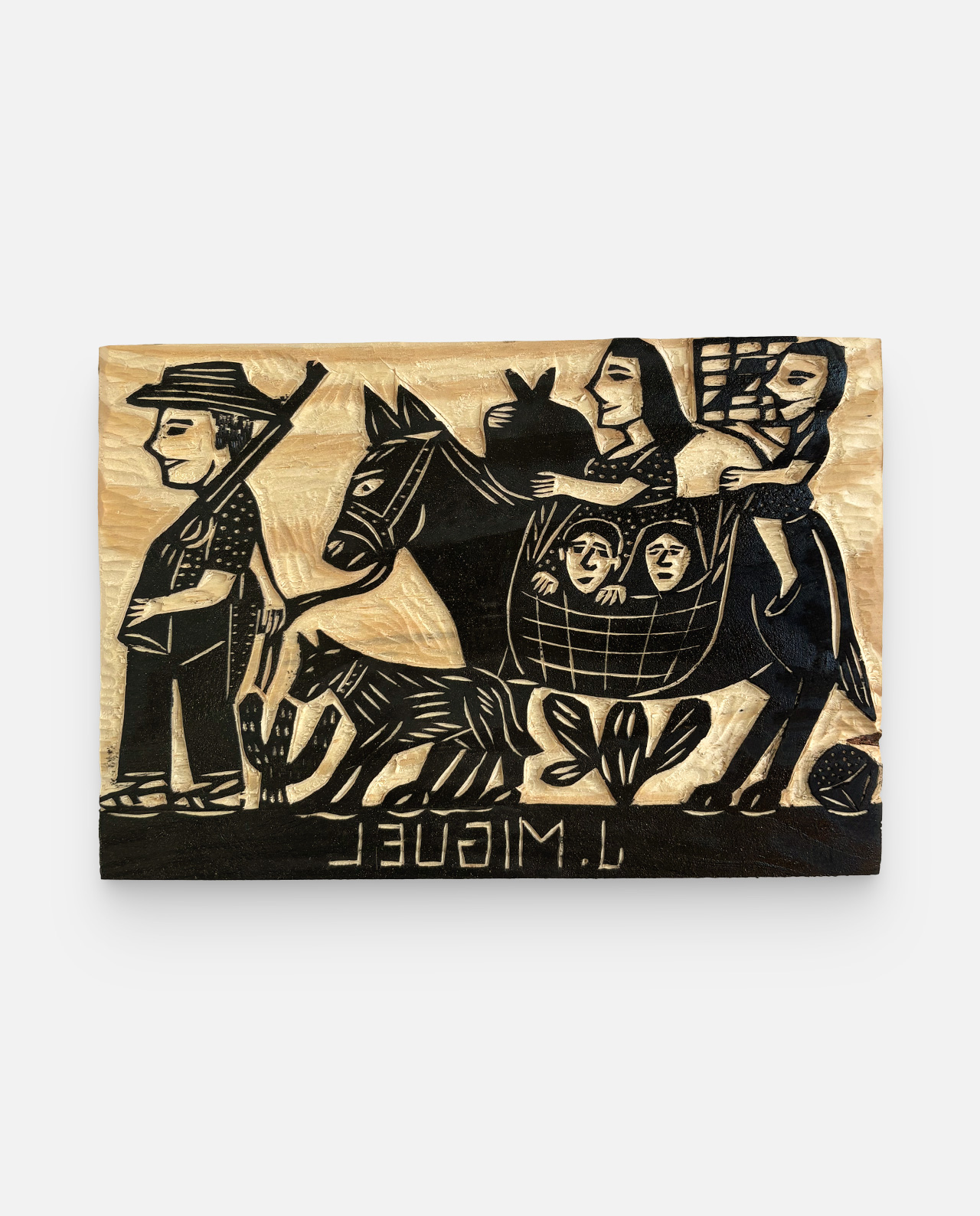
In the dusty streets of Bezerros, Pernambuco, where the scent of wood shavings mingles with the arid air of Brazil's Northeast, a young man named José Miguel da Silva picked up his first carving knife.
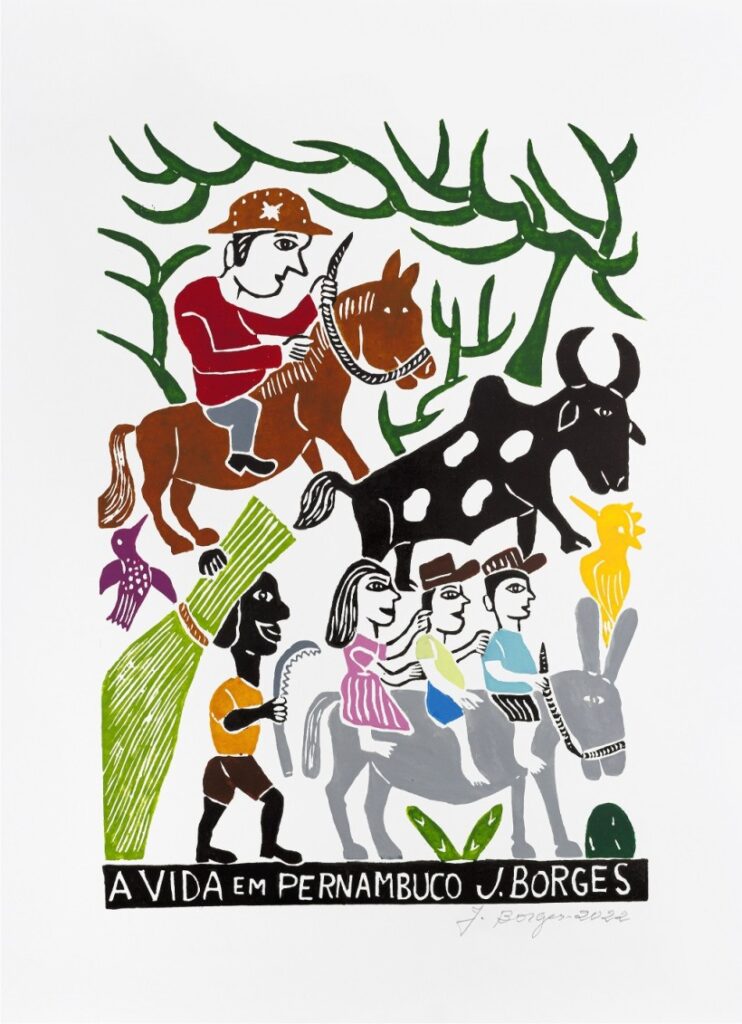
In the dusty streets of Pernambuco, where the Northeast Brazilian sun beats down on weathered facades and the air hums with stories waiting to be told, José Francisco Borges carved his way into immortality.
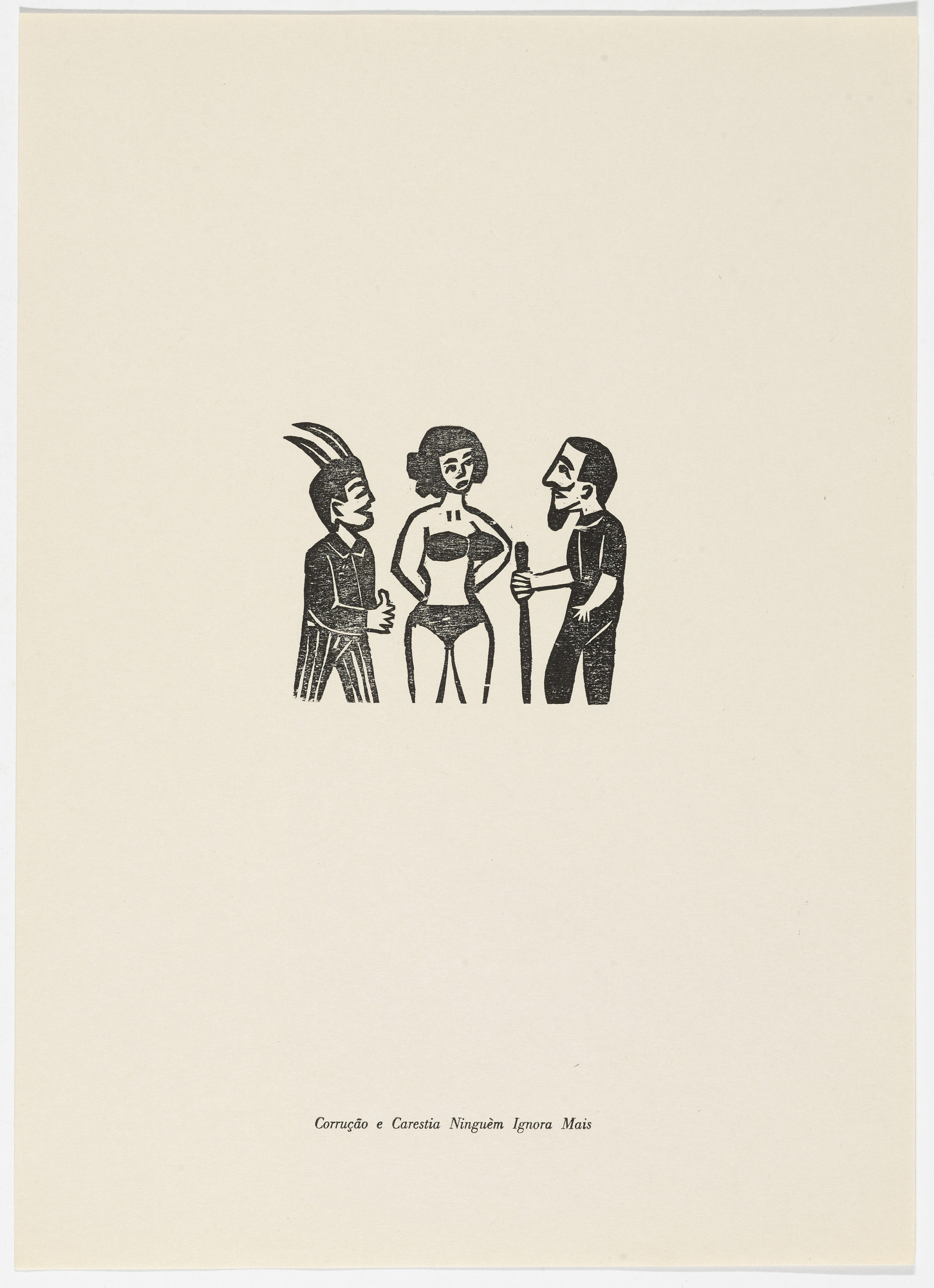
Costa Leite's story begins in the rural landscapes of Paraíba, where he was born on July 27, 1927, to Paulino Costa Leite and Maria Rodrigues dos Santos.
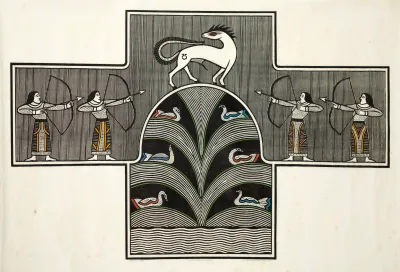
In the bustling cultural landscape of mid-20th century Brazil, few artists managed to capture the mystical essence of Northeast Brazilian folklore with the precision and poetry of Gilvan Samico.