The Poetry of Wood and Words: José Costa Leite's Journey Through Brazilian Folk Art
Costa Leite's story begins in the rural landscapes of Paraíba, where he was born on July 27, 1927, to Paulino Costa Leite and Maria Rodrigues dos Santos.
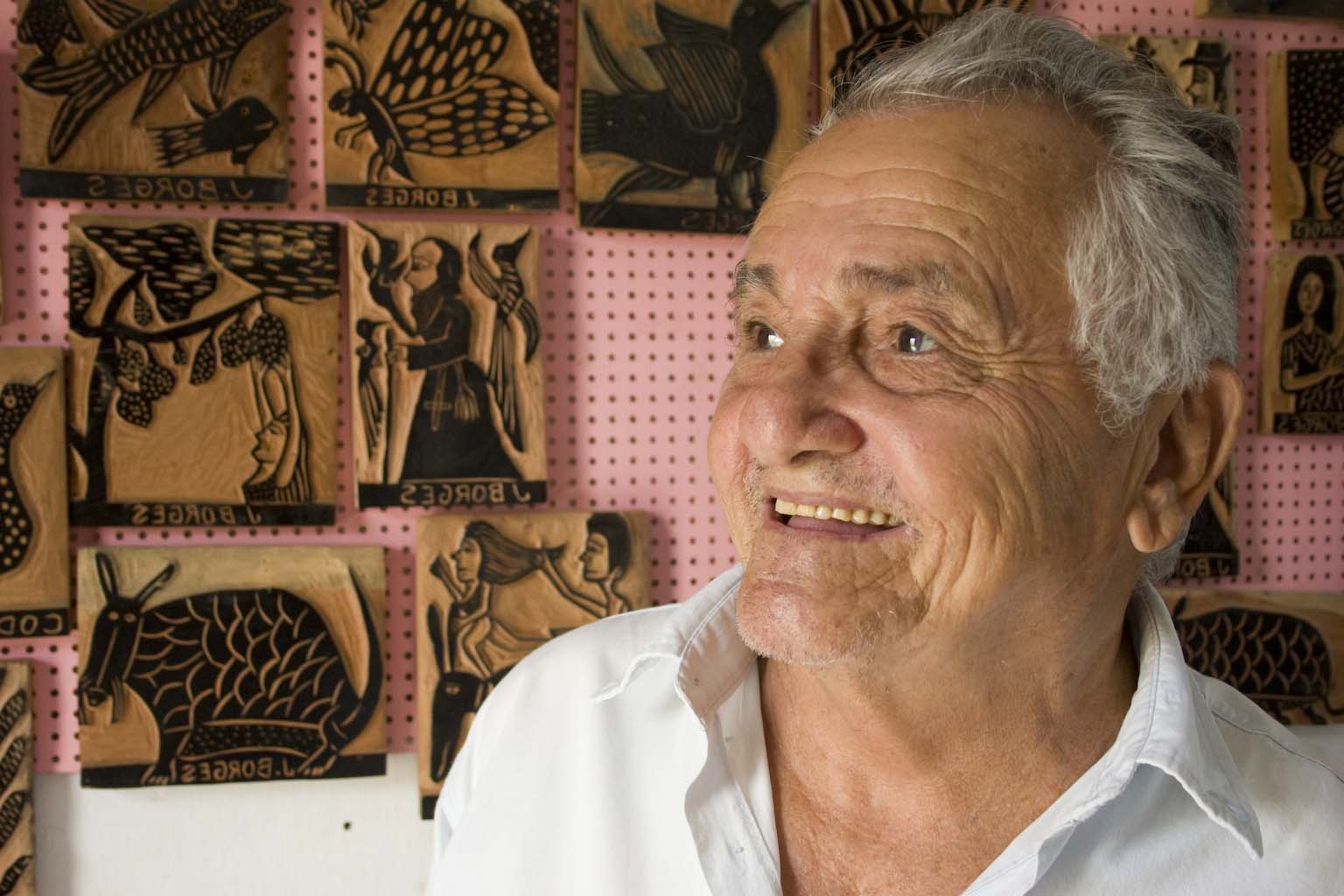
In the vibrant tapestry of Northeast Brazilian folk art, few figures shine as brightly as José Costa Leite (1927-2021), a man who carved his way into the heart of popular culture with nothing more than wood blocks, ink, and an inexhaustible imagination. Born in the small town of Sapé, Paraíba, Costa Leite would become one of Brazil's most prolific xilogravadores (woodcut artists) and cordel poets, creating a legacy that spans over seven decades and thousands of works that capture the soul of the Brazilian Northeast.
Costa Leite's story begins in the rural landscapes of Paraíba, where he was born on July 27, 1927, to Paulino Costa Leite and Maria Rodrigues dos Santos. In a testament to the transformative power of popular culture, this future master of words and images never attended formal school. Instead, he learned to read by spelling out the verses of cordel pamphlets—those small, illustrated booklets that have long been the newspaper, entertainment, and moral compass of Northeast Brazil's working classes.
This unconventional education would prove prophetic. The very medium that taught him to read would become his life's work, his canvas, and his voice. When his family moved to Pernambuco in 1938, young José was already absorbing the rhythms, stories, and visual language that would define his artistic practice. By 1955, he had settled permanently in Condado, Pernambuco, a town that would become synonymous with his name in the world of Brazilian folk art.

Image from Google Images search. Educational use.
Costa Leite's entry into the world of cordel literature came in 1947, when he began writing, selling, and reciting folhetos at local fairs. These early verses, as noted by the Universidade Federal da Paraíba, were imitations of existing cordel styles—a traditional apprenticeship method in Brazilian folk culture where young artists learn by copying masters before developing their own voice.
But Costa Leite was destined for more than imitation. By 1959, he had created his first almanaque popular, initially called "Calendário Brasileiro," marking the beginning of what would become an annual tradition. These almanacs, filled with predictions, advice, humor, and folk wisdom, became eagerly awaited publications throughout the Northeast, establishing Costa Leite as not just a poet, but a cultural commentator and folk philosopher.

Image from Google Images search. Educational use.
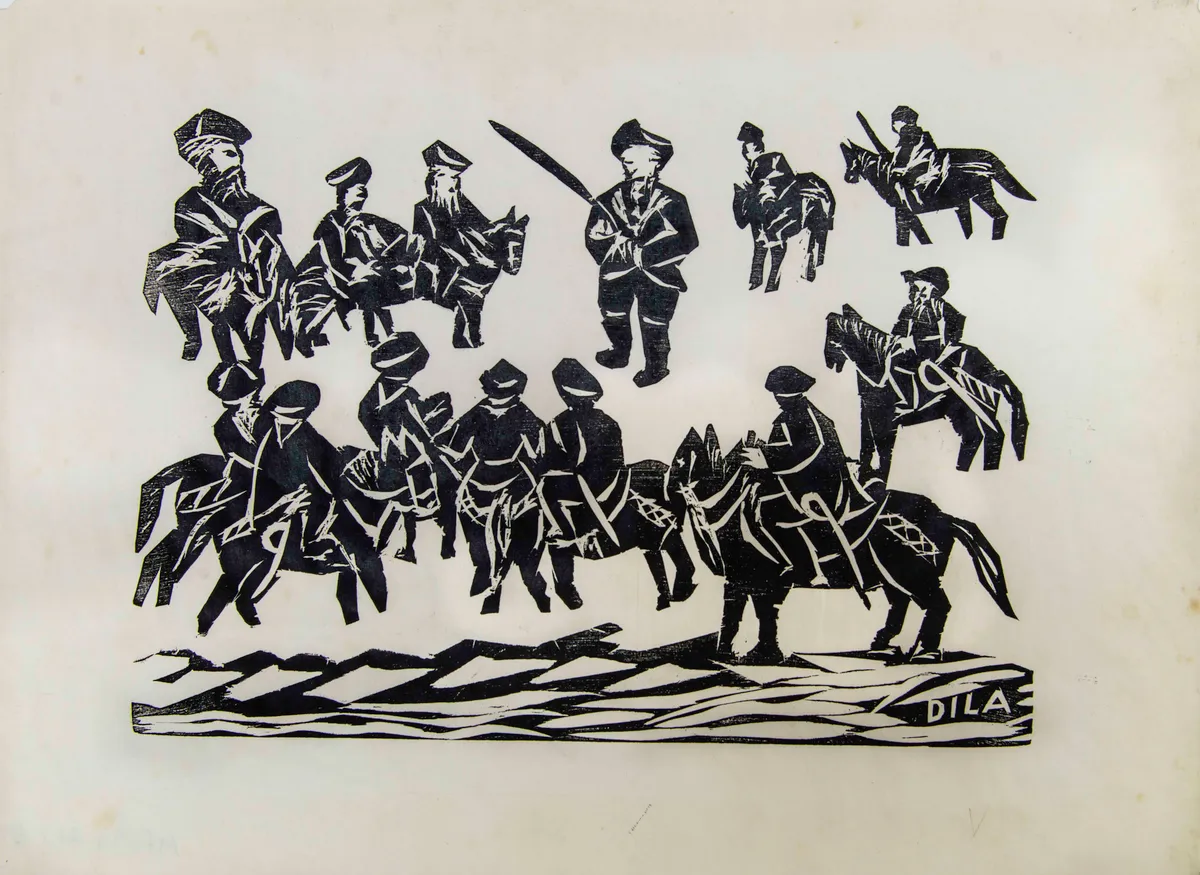
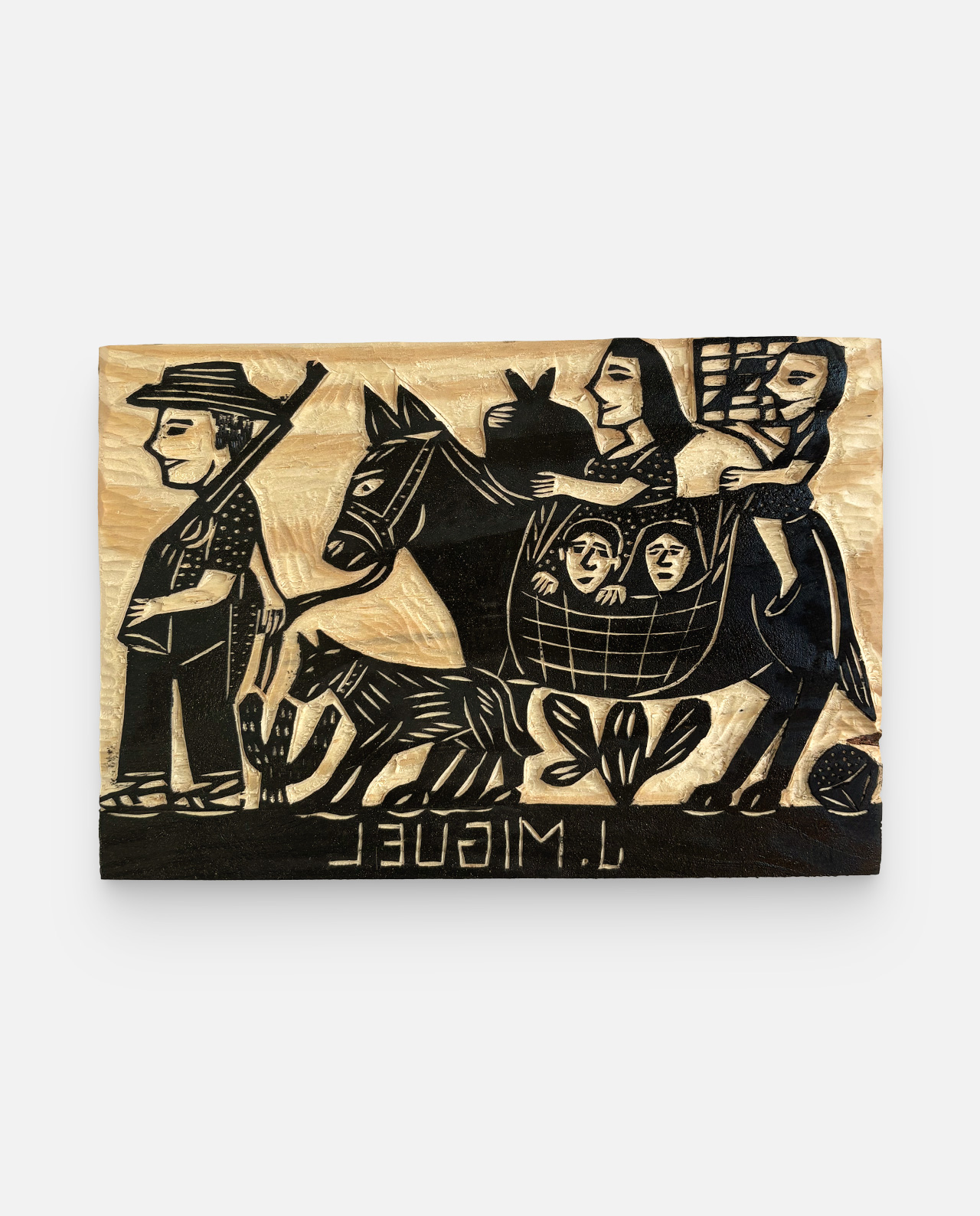
While his words captured hearts, it was Costa Leite's mastery of xilogravura—the art of woodcut printing—that truly set him apart. In the tradition of cordel literature, images are not mere decoration but essential narrative elements that work in harmony with text to tell stories, convey emotions, and capture the imagination of often semi-literate audiences.
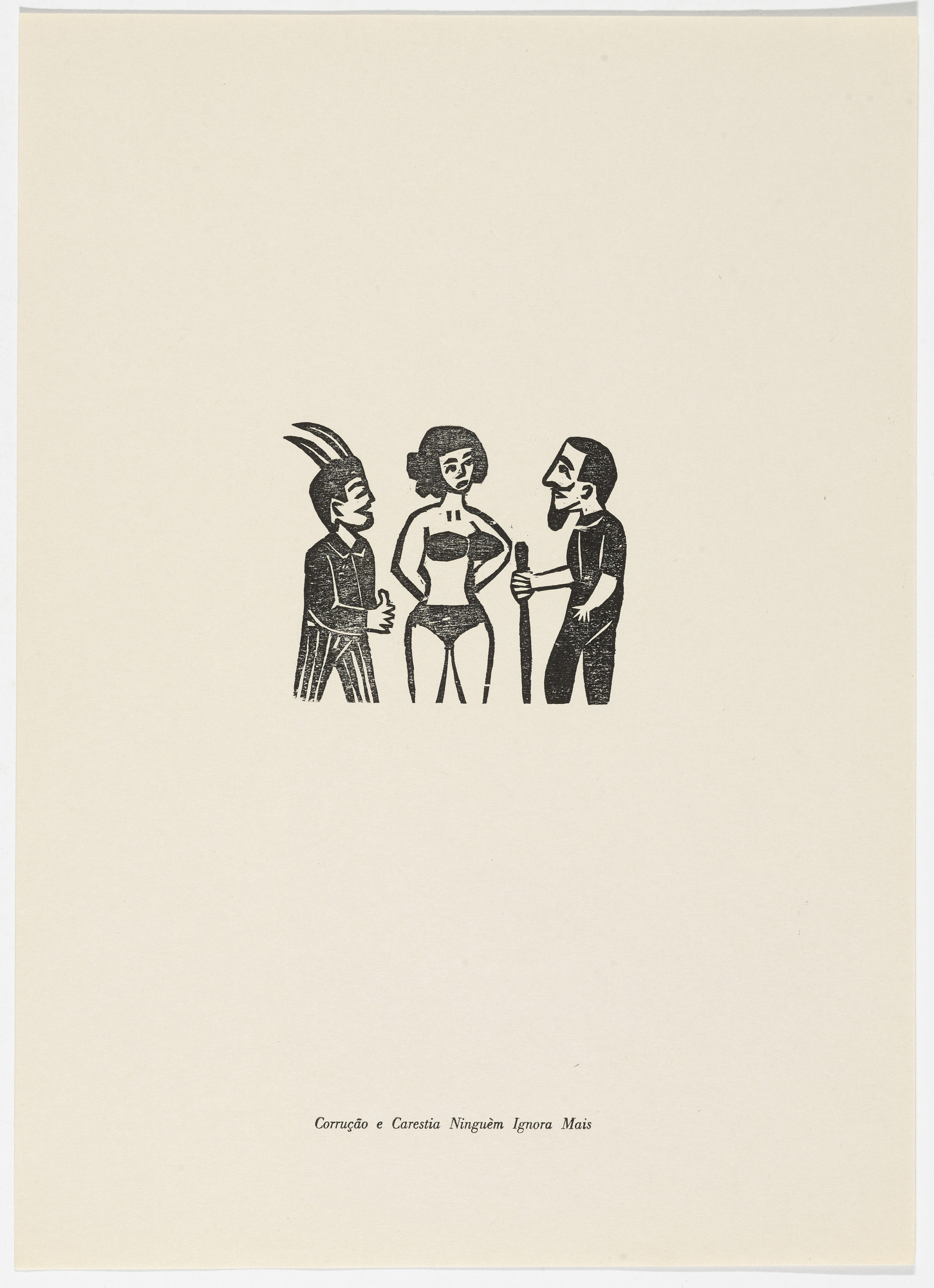
Costa Leite's xilogravuras are characterized by their bold lines, expressive faces, and dynamic compositions. His self-taught technique, developed through decades of practice, created a distinctive visual language that could convey complex narratives in a single image. Whether depicting folk heroes, religious figures, political commentary, or scenes from daily life, his woodcuts possess an immediacy and emotional resonance that speaks directly to the viewer's experience.

Image from Google Images search. Educational use.
The artist signed his visual works as "JCL," a signature that became a mark of quality and authenticity in the world of Brazilian popular art. His images adorned not only his own cordel pamphlets but also works by other poets, making him one of the most prolific and recognizable xilogravadores of his generation.
Costa Leite's significance extends far beyond his artistic output. As noted by the Universidade Federal do Rio Grande do Norte, he was "a true creative machine," producing countless texts and images that portrayed "with much poetry, humor, perspicacity and beauty—the reality and imagination of the Northeastern people." His work serves as both mirror and memory for a culture often marginalized in Brazil's national narrative.

Image from Google Images search. Educational use.
The recognition of his cultural importance came from multiple institutions. The government of Pernambuco honored him as a "Patrimônio Vivo" (Living Heritage), acknowledging his role in preserving and transmitting the cultural traditions of the Northeast. Universities across Brazil, including the Federal University of Paraíba and the Federal University of Rio Grande do Norte, have collected and studied his works, recognizing their value as both artistic expression and historical documentation.
What makes Costa Leite's work particularly valuable is its function as a living archive of Northeast Brazilian culture. His cordel stories and xilogravuras document everything from local legends and religious festivals to political events and social changes. Through his art, we can trace the evolution of rural Brazilian society, the impact of modernization, and the persistence of traditional values in the face of change.
His versatility as both poet and visual artist allowed him to capture the full spectrum of human experience in the Northeast. Whether telling tales of the legendary bandit Lampião, commenting on contemporary politics, or sharing folk wisdom through his almanacs, Costa Leite served as a cultural bridge, connecting traditional knowledge with contemporary concerns.
José Costa Leite passed away in 2021, leaving behind a monumental legacy that continues to influence Brazilian popular culture. His works remain in collections across Brazil and beyond, studied by scholars and cherished by collectors. More importantly, his artistic approach—the seamless integration of word and image, the commitment to popular accessibility, and the celebration of Northeast culture—continues to inspire new generations of artists.
In an era of digital media and globalization, Costa Leite's work reminds us of the enduring power of handmade art and locally rooted storytelling. His xilogravuras and cordel verses stand as monuments to the creative resilience of Brazilian popular culture, proving that the most profound art often emerges not from academies or galleries, but from the lived experience of communities and the skilled hands of those who serve as their voice.
Fontes:
(1) Universidade Federal da Paraíba - https://www.ufpb.br/pinacoteca/acervo/colecao-pinacoteca-ufpb/jose-costa-leite/
(2) cultura.pe.gov.br - https://www.cultura.pe.gov.br/pagina/patrimonio-cultural/imaterial/patrimonios-vivos/jose-costa-leite/
(3) Universidade Federal do Rio Grande do Norte - https://mcc.ufrn.br/acervo/etnologia/jose-costa-leite
Imagem de capa: Image from Google Images search. Educational use.
This article is part of the CASCA Archive, documenting visual artists from Northeast Brazil. Story about José Costa Leite.