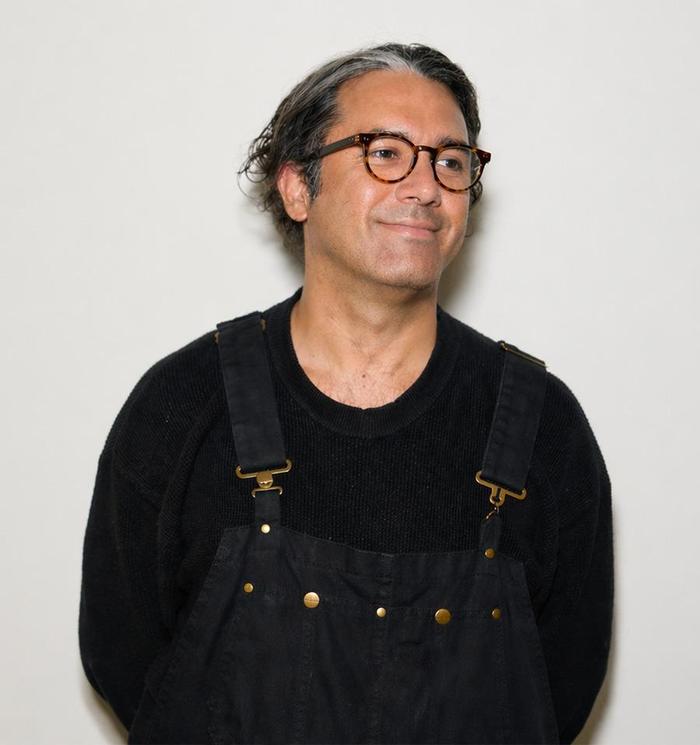
Tiago Sant’Ana and the Living Archive of Performance
Origins
In the dynamic landscape of contemporary Brazilian art, certain names emerge not just as individuals, but as conduits for profound cultural narratives. Tiago Sant’Ana, a performance artist hailing from the culturally rich state of Bahia, represents a fascinating intersection of live action, historical memory, and the powerful embrace of regional identity. Though specific details of his individual works might be a journey of discovery for international audiences, his very designation as a performance artist from Bahia immediately situates him within a lineage of radical expression and deep-rooted cultural dialogue that is essential to understanding Brazilian art’s unique voice. See also Flávio Gadelha: The Quiet Force Shaping Pernambuco Art.
Bahia, a state synonymous with the heart of Afro-Brazilian culture, ancestral spirituality, and a vibrant syncretism, provides an unparalleled backdrop for an artist whose medium is the ephemeral and the bodily. Born in an undisclosed location within this extraordinary state, Tiago Sant’Ana’s artistic practice as a performer inherently connects him to a tradition of storytelling, ritual, and resistance that has long defined the region. Performance art, by its very nature, challenges conventional boundaries, inviting audiences into a direct, often visceral, experience. In Bahia, this form takes on an even deeper resonance, drawing from centuries of oral traditions, religious ceremonies, carnival pageantry, and the daily performativity of life itself. See also Caetano Dias: Unlocking Bahia's Vernacular Canvas.
The choice of performance as a primary medium for an artist from Bahia is no mere aesthetic preference; it is a declaration. It speaks to a desire to activate space, engage with the present moment, and directly confront or celebrate the legacies that shape the Bahian experience. Unlike static objects, performance lives in time, in the interaction between artist and audience, and in the memory it imprints. For Tiago Sant’Ana, this means his body, his presence, and his actions become the canvas, the sculpture, and the narrative all at once. It is a potent form for an artist from a region where history is not just read in books but felt in the rhythm of the streets, the beat of the drums, and the spirit of its people. See also Hansen Bahia: Capturing Bahia's Pulse in Woodcut.
An artist like Tiago Sant’Ana, operating within the Bahian context, would likely engage with themes central to the region’s identity. The legacy of slavery, the enduring strength of African spiritual traditions (Candomblé, Umbanda), the complexities of racial identity, social inequalities, and the ongoing struggle for visibility and justice are all fertile ground for performance art. His work, though specific instances are not widely documented, can be understood as contributing to a broader movement of contemporary Brazilian artists who use their bodies and live actions to critically examine historical narratives and propose alternative readings of the present. See also Genaro de Carvalho: Bahia's Legacy Woven in Thread.

Verified via Gemini vision. Educational use.
In this context, we can infer that Tiago Sant’Ana’s performances likely delve into at least two significant areas of engagement:
1. The Body as a Site of Memory and Resistance:
Practice and materials
For many artists from the African diaspora, and particularly in Bahia, the body is not merely a physical form but a living archive—a repository of ancestral memory, historical trauma, and resilient spirit. It is a site where personal and collective histories converge. One can imagine Sant’Ana utilizing his own body, stripped bare or adorned with symbolic elements, as a primary tool to evoke these layered narratives. His performances might explore gestures, postures, and movements that recall the labor of enslaved ancestors, the ecstasy of spiritual possession, or the defiance of protest. The ephemeral nature of performance allows for a temporary occupation of these historical roles, creating a powerful, fleeting image that resonates with the audience long after the physical act concludes.
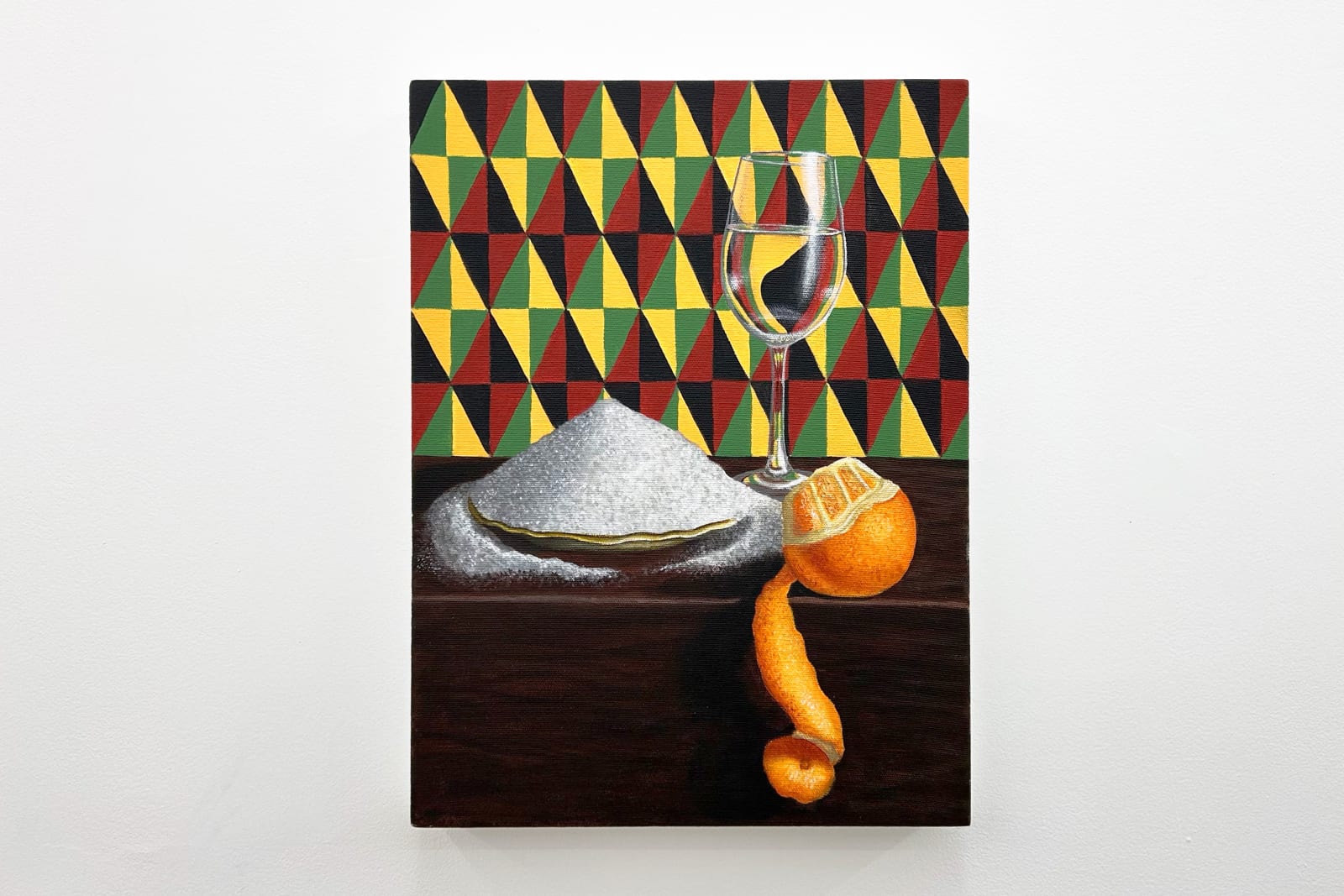
Verified via Gemini vision. Educational use.
Such an approach transforms the artist's body into a dynamic sculpture, constantly re-shaping and re-interpreting the past in the present. It’s a form of embodied history, where the act of performing becomes a way of "doing" history, rather than just representing it. Through endurance, repetition, or symbolic action, Sant’Ana’s performances could become rituals that acknowledge pain, celebrate survival, and assert the living presence of Afro-Brazilian identity in a contemporary world. This engagement moves beyond simple representation, aiming for an immersive experience that challenges spectators to confront their own understanding of history and identity.
2. Site-Specificity and Public Intervention:
Performance art often gains profound meaning from its location. For an artist from Bahia, the physical and social landscapes offer endless possibilities for site-specific interventions. The historic Pelourinho district, a UNESCO World Heritage site, with its cobblestone streets and colonial architecture; the vibrant markets; the tranquil shores of the Atlantic; or the bustling urban centers—each space carries its own historical weight and contemporary significance. Tiago Sant’Ana’s performances could transform these familiar settings into temporary stages for critical dialogue, disrupting daily routines and inviting passersby to witness moments of artistic reflection.
By performing in public spaces, Sant’Ana could leverage the inherent dynamics of the environment, incorporating the architecture, sounds, and even the reactions of an unsuspecting audience into the fabric of his work. A performance staged in front of a colonial church might interrogate the complex relationship between Catholicism and Candom
Fontes:
(1) escritoriodearte.com - https://www.escritoriodearte.com/artista/tiago-sant-ana
(2) dailyartfair.com - https://dailyartfair.com/artist/tiago-sant-ana
(3) Wikipedia - https://en.wikipedia.org/wiki/Tiago_Sant’Ana
Imagem de capa: Verified via Gemini vision. Educational use.
This article is part of the CASCA Archive, documenting visual artists from Northeast Brazil. Story about Tiago Sant’Ana.