Acidum Project: Where Urban Walls Become Canvases for Mythic Forms
Origins
In the bustling urban landscapes of Northeast Brazil, where history and modernity intertwine, a powerful artistic current flows, transforming concrete into narratives and cityscapes into galleries. At the heart of this movement is Acidum Project, a dynamic duo whose work has not only beautified but also culturally enriched public spaces, making art an accessible, living experience. Comprising visual artist Robézio Marques, a native of Fortaleza, Ceará, and his creative partner Terezadequinta, Acidum Project has emerged as a significant voice in contemporary Brazilian urban art, crafting a visual language that is both deeply rooted in local identity and universally resonant. See also J. Cunha and the Tropicalismo of His Carnival Canvas.
Founded in 2006, Acidum Project was born from a shared vision to engage with the urban environment directly, using walls, facades, and public installations as their primary medium. Their practice, firmly anchored in arte urbana (urban art), quickly moved beyond mere decoration, aiming instead for interventions that provoke thought, inspire wonder, and foster dialogue. Two years later, in 2008, the duo further solidified their commitment to artistic exploration and community engagement by establishing Laboratório Acidum, a platform designed to nurture experimental art and collaborative projects. This initiative underscores their dedication not just to creating art, but to fostering an ecosystem where artistic innovation can thrive. See also Flávio Gadelha: The Quiet Force Shaping Pernambuco Art.
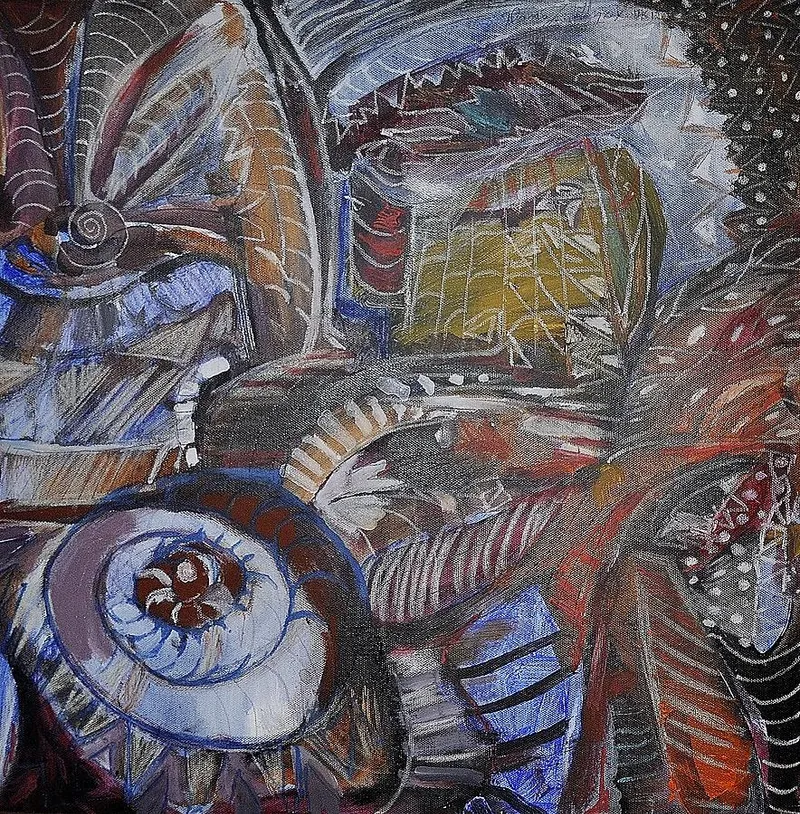
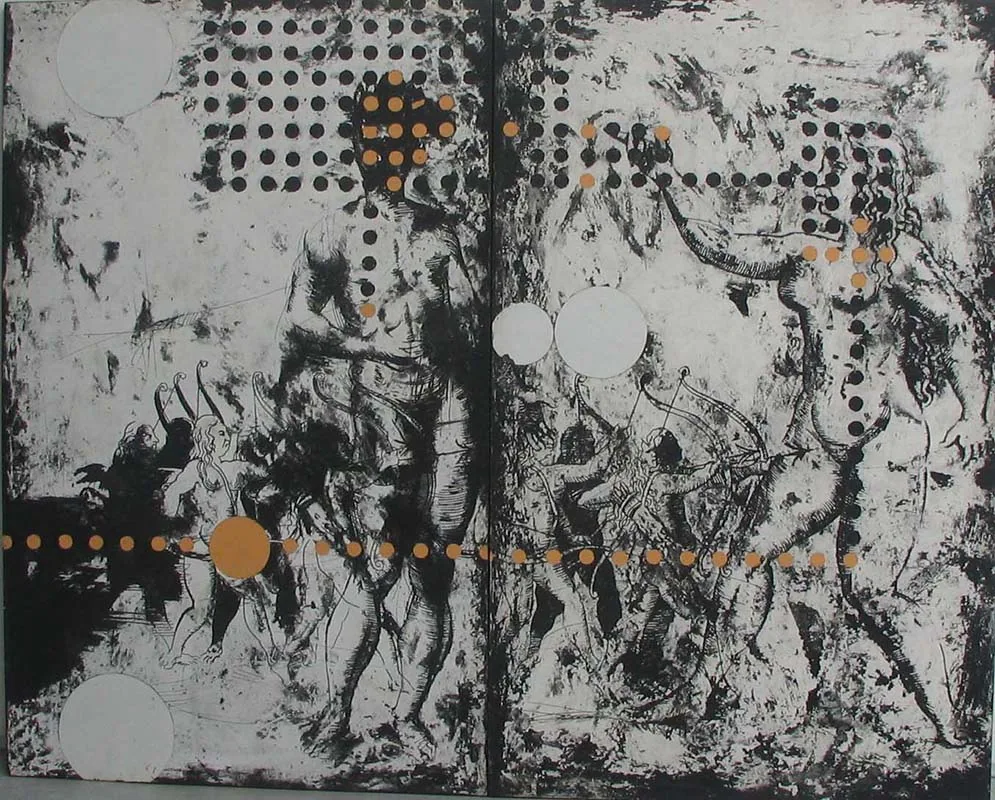
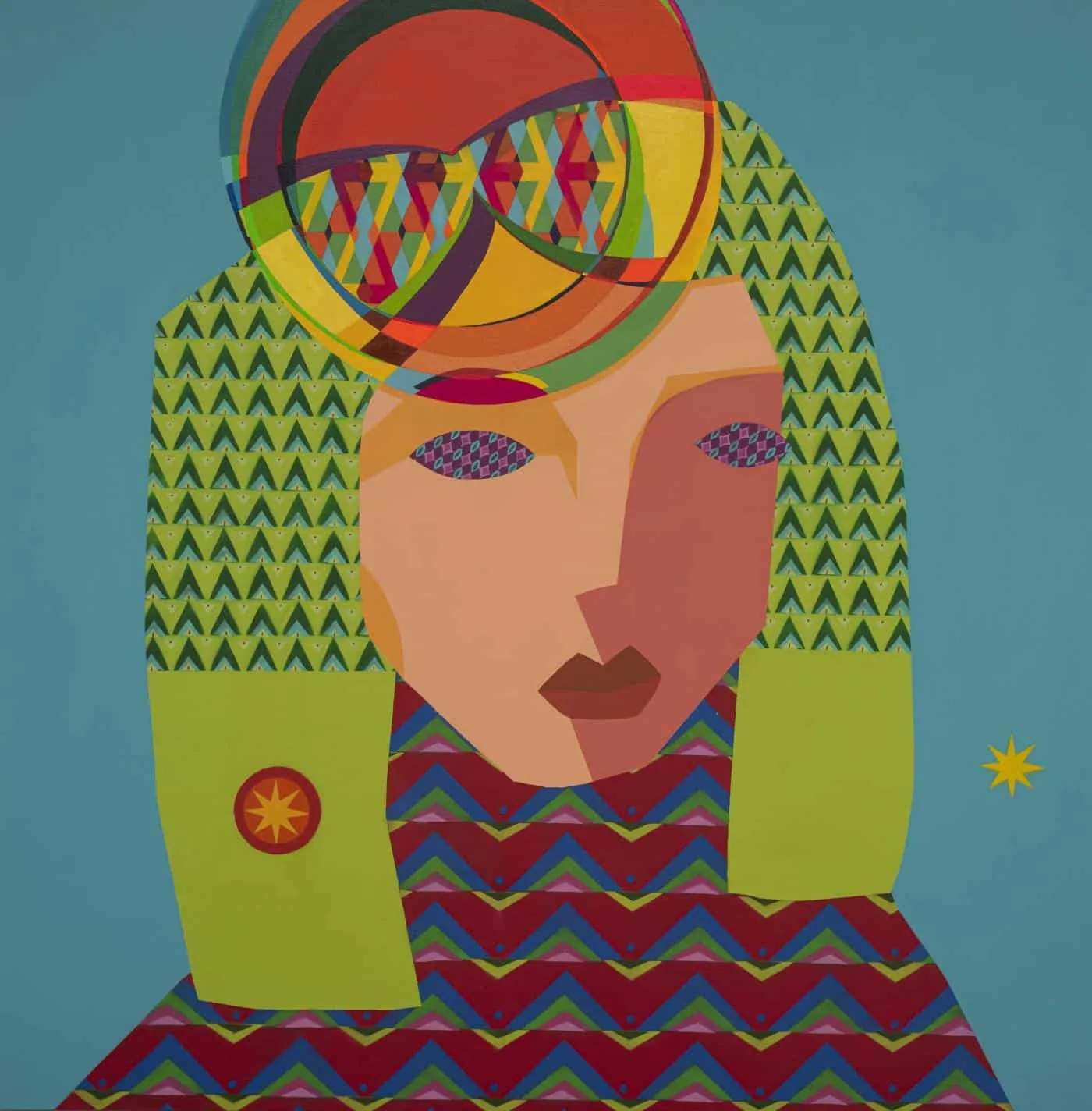
The essence of Acidum Project lies in its ability to infuse the mundane with the mythical, the everyday with the extraordinary. Their murals are often characterized by a vibrant palette, bold lines, and a symbolic visual vocabulary that draws viewers into a world of imagined creatures and abstract narratives. A standout example of their transformative power is the panel "O ELEFANTE E O CUBO" (The Elephant and the Cube), an intervention created in 2011 for the MAC – Museu de Arte Contemporânea do Ceará, located within the iconic Centro Dragão do Mar de Arte e Cultura. This particular work exemplifies their approach: taking a familiar, almost archetypal image—the elephant—and juxtaposing it with a fundamental geometric form, the cube. The interaction between these elements, rendered on a grand scale, invites contemplation on themes of strength, structure, and the unexpected harmonies found in disparate forms. It's a testament to their skill in creating compositions that are visually striking yet conceptually rich, turning a museum wall into a portal for deeper reflection.

Accepted by heuristic filter before Gemini vision. Educational use.
What makes Acidum Project particularly compelling is their deep engagement with the collaborative spirit inherent in urban art. While Robézio and Terezadequinta are the driving force, their work often embraces "vários trânsitos e facetas de atuação," involving other artists and diverse projects. This collaborative ethos not only enriches their creative output but also strengthens the broader urban art community. Their murals are not just individual expressions; they are often collective endeavors that reflect the dynamic, ever-evolving nature of the streets they adorn. This approach allows their art to breathe with the pulse of the city, absorbing and reflecting its diverse energies.
The cultural impact of Acidum Project extends far beyond the borders of Ceará. While their roots are firmly planted in Fortaleza, their art has found recognition on both national and international stages. Their exhibition history paints a clear picture of their rising prominence: from "Cataclismo" at Garrido Galeria in Recife, Pernambuco, in 2019, to "Projeto Ling Apresenta" at Instituto Ling in Porto Alegre, Rio Grande do Sul, in 2023, and a significant presence at the Pinacoteca do Ceará with "Se arar" in 2024. Notably, their reach has crossed oceans, with the exhibition "Matrizes em Trama" in Lisbon, Portugal, in 2022. These exhibitions are not just accolades; they are opportunities for their unique vision of urban art to engage with broader audiences, fostering a global appreciation for the distinct flavor of Brazilian creativity.

Accepted by heuristic filter before Gemini vision. Educational use.
Public collections
In a region as culturally rich and historically significant as Northeast Brazil, Acidum Project's work acts as a contemporary chronicler, translating the vibrant spirit of the land into modern visual narratives. They bridge the gap between traditional artistic spaces and the public realm, democratizing art and making it an integral part of daily life. By transforming neglected walls into canvases for mythic forms and symbolic narratives, Robézio Marques and Terezadequinta are not just painting; they are animating urban spaces, sparking imagination, and cementing Ceará's place as a fertile ground for artistic innovation. Their legacy is a testament to the power of urban art to transcend boundaries, tell stories, and ultimately, enrich the human experience.
Fontes:
(1) Governo do Brasil / Ibram - https://mapacultural.jaguaretama.ce.gov.br/agente/60659/
(2) premiopipa.com - https://www.premiopipa.com/acidum-project-terezadequinta-e-robezio-marques/
(3) artesemfronteiras.com - https://artesemfronteiras.com/acidum-project-e-seus-murais/
Imagem de capa: Accepted by heuristic filter before Gemini vision. Educational use.
This article is part of the CASCA Archive, documenting visual artists from Northeast Brazil. Story about Acidum Project.