Arthur Bispo do Rosário and the Urgency of Reordering the World
Origins
Arthur Bispo do Rosário occupies a place in Brazilian art that resists easy categories. Born in Japaratuba, Sergipe, and later institutionalized for much of his adult life in Rio de Janeiro, he built an extraordinary oeuvre from thread, cloth, wood, paper, and salvaged objects. What makes the work so powerful is not just its visual invention, but its sense of total necessity. Bispo did not produce isolated pieces for a market or a school. He created a vast, interconnected system of banners, mantles, vitrines, and object assemblages that feel like an attempt to reorder experience itself. See also Antonio Dias: Political Modernism from Paraiba to the World.
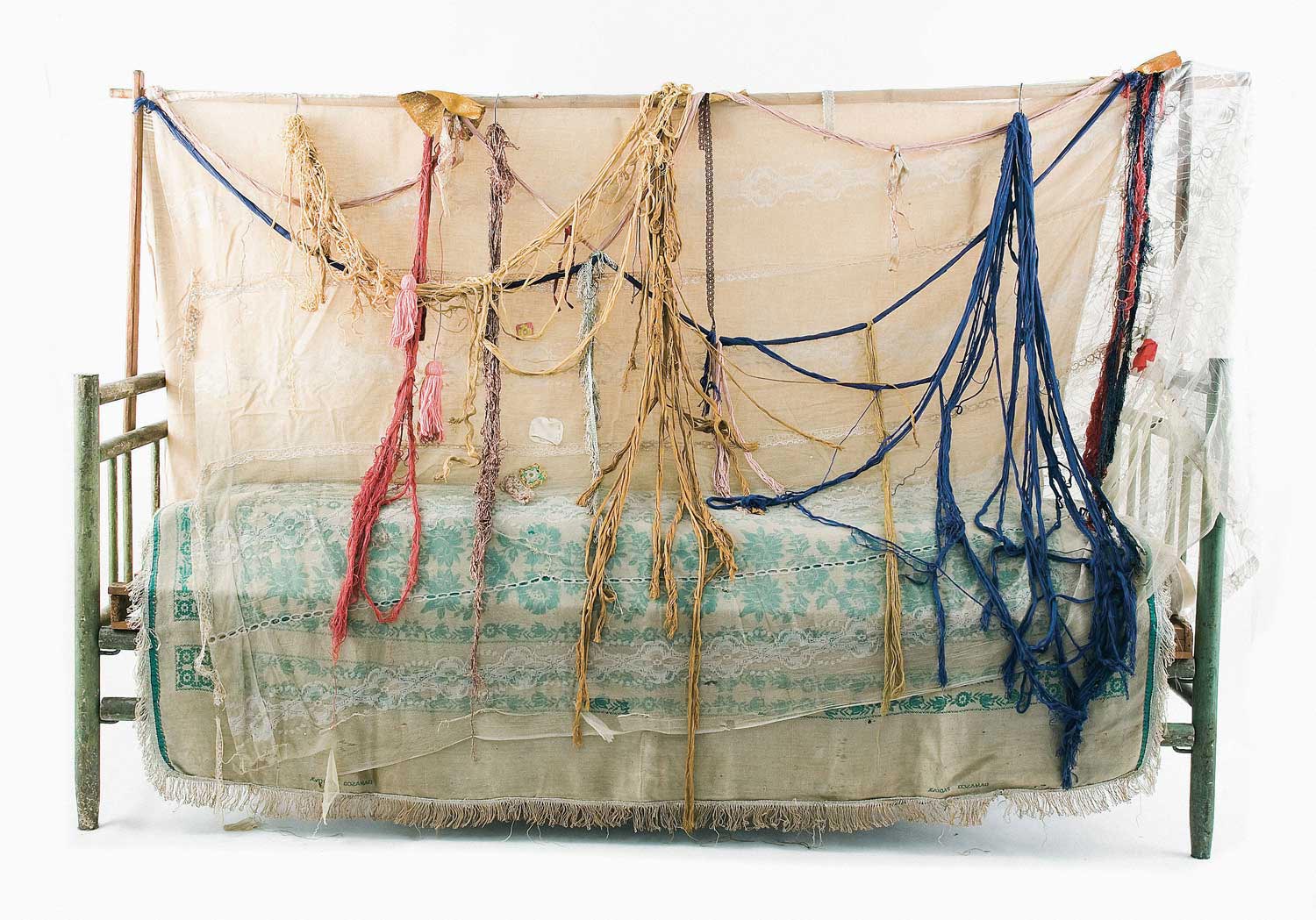
That intensity is visible in the way he treated humble materials. Embroidery becomes inscription, listing becomes cosmology, and wrapping becomes a method of giving objects a new charge. Instead of separating text, image, and object, Bispo fused them. His works often read like archives remade by vision: personal, devotional, taxonomic, and profoundly formal at the same time. For an international reader, the key is to see that his practice was never merely anecdotal or biographical. It stands on its own as a radical language of structure, repetition, and symbolic pressure. See also Isabela Leao and the Porcelain Edge of Feeling.

Artwork image
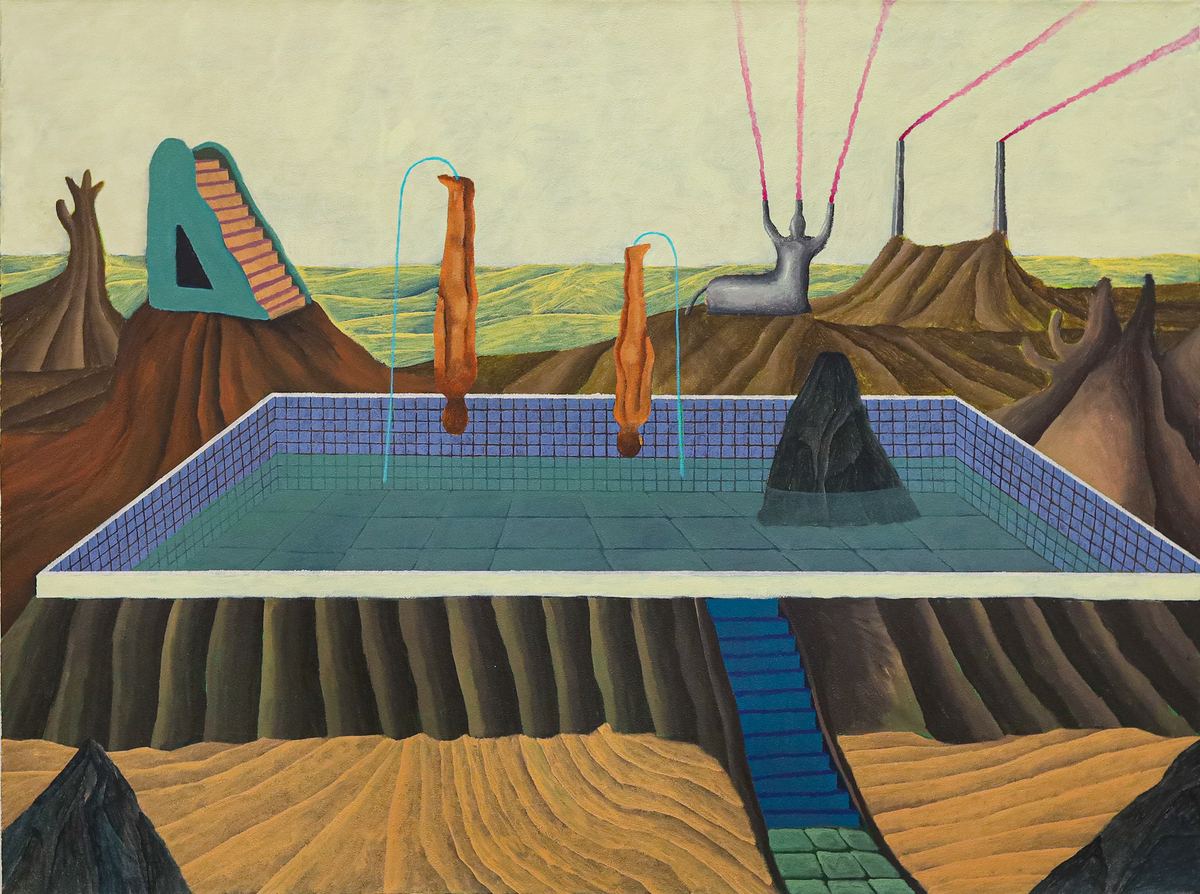
The images gathered for this draft show different facets of that language. One emphasizes the sculptural intelligence of bound and reconfigured materials, another highlights the emblematic clarity of his textile constructions, and a third shows how his compositions can feel both intimate and monumental despite their modest means. Across them all, Bispo demonstrates an astonishing command of tension, rhythm, and visual hierarchy. Even when the materials are fragile, the works feel exacting rather than improvised. See also Leonilson: The Quiet Confessions Stitched into Fabric.
Artwork image
Arthur Bispo do Rosário matters because he expanded the idea of what modern and contemporary art could be in Brazil. His art is visionary without becoming vague, deeply personal without turning private, and materially poor without ever feeling aesthetically poor. Seen today, the work remains startlingly current: it speaks to memory, classification, labor, spirituality, and the human need to give form to chaos. Few artists have made the world look so reordered, and so unsettled, at the same time. See also Raul Córdula and the Geometry of Fire.
Fontes:
Practice and materials
(1) escritoriodearte.com - https://www.escritoriodearte.com/artista/arthur-bispo-do-rosario
(2) Americas Quarterly - https://www.americasquarterly.org/article/arthur-bispo-do-rosario-wanted-to-contain-the-world-in-art/
(3) Daily Art News - https://dailyart.news/events/visual-arts-events/arthur-bispo-do-rosario-all-existing-materials-on-earth/
(4) Wikipedia - https://en.wikipedia.org/wiki/Arthur_Bispo_do_Ros%C3%A1rio
(5) Wikipedia - https://pt.wikipedia.org/wiki/Arthur_Bispo_do_Ros%C3%A1rio
Imagem de capa: Artwork image
This article is part of the CASCA Archive, documenting visual artists from Northeast Brazil. Story about Arthur Bispo do Rosário. See also Luiz Hermano: The Ephemeral Poetry of Silver Rain in Sculpture.