Dona Irinéia and the Clay Memory of Quilombo Muquém
Origins
Dona Irinéia's art emerges from the rich, often challenging, cultural landscape of Northeast Brazil, specifically rooted in the vibrant state of Alagoas. Her practice, centered on cerâmica, is deeply embedded within the tradition of Arte Popular e Naïf, a designation that immediately places her work outside formal academic institutions. Instead, it positions her firmly within the realm of self-taught expression, often passed down through generations or acquired through direct engagement with materials and community. The Northeast, with its unique blend of indigenous, African, and European influences, has historically fostered a robust tradition of craftsmanship, where utilitarian objects frequently transcend their primary function, becoming vehicles for cultural storytelling and aesthetic contemplation. Artists like Dona Irinéia are more than mere artisans; they are custodians of a profound cultural memory, their hands shaping clay into forms that reflect the socio-economic realities, spiritual beliefs, and daily rhythms of their environment, thereby offering an authentic and unmediated glimpse into the soul of the region. See also Flávio Gadelha: The Quiet Force Shaping Pernambuco Art.
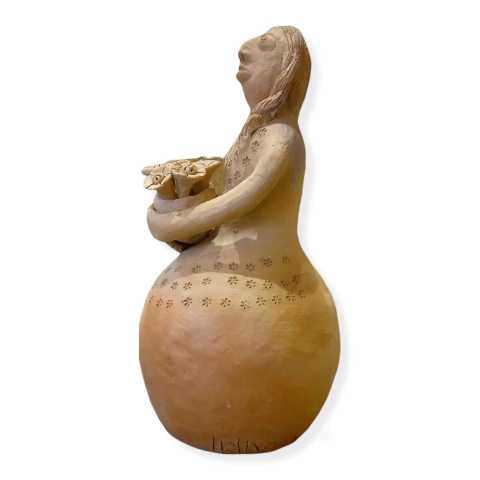
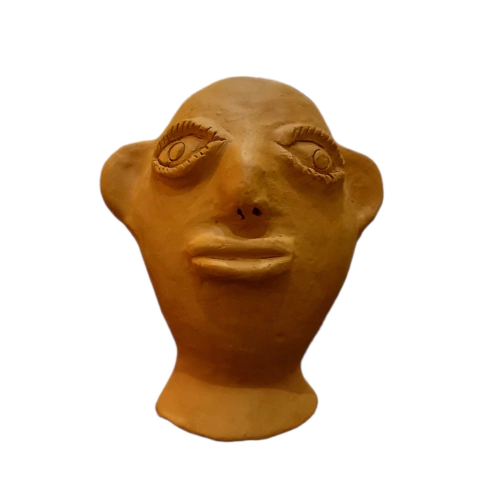
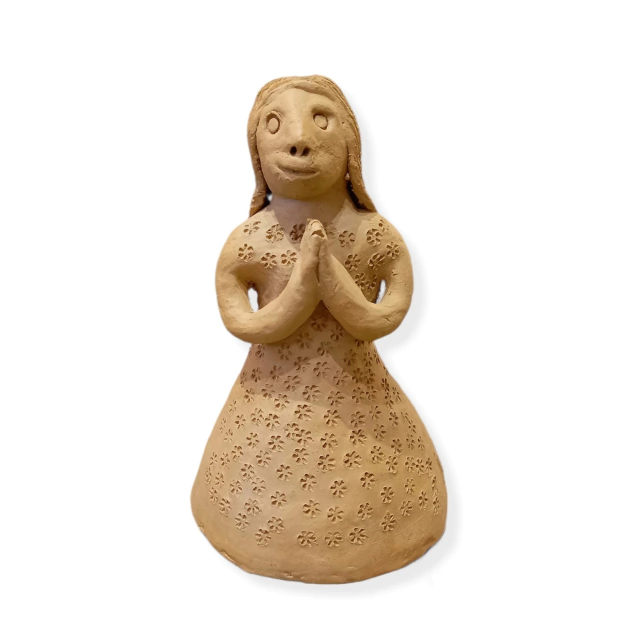
The characteristic style of Dona Irinéia’s cerâmica embodies the directness and authenticity inherent to the Arte Popular e Naïf movement. Her primary technique involves the skillful manipulation of barro, or local clay, a material intrinsically linked to the earth and the ancestral practices of the region. This process typically begins with the careful selection and preparation of these clays, followed by hand-modeling, where forms are coaxed into being without the aid of complex machinery. Instead, she relies on intuition, experience, and a profound connection to the material. The resulting pieces often exhibit a raw, tactile quality, celebrating the natural textures and earthy tones of the fired clay, sometimes enhanced with simple, expressive pigments. Visually, Arte Popular e Naïf cerâmica from the Northeast frequently features figurative representations—human forms, animals, and mythical creatures—rendered with a characteristic simplicity, exaggerated features, and a powerful narrative presence. These elements combine to create a visual language that is both universally appealing and deeply specific to the cultural context of Alagoas, reflecting a worldview unburdened by academic conventions. See also J. Cunha and the Tropicalismo of His Carnival Canvas.
Practice and materials
While specific notable artworks or exhibitions by Dona Irinéia are not detailed in the dossier, her practice within Arte Popular e Naïf cerâmica from Alagoas suggests a significant cultural impact on the vernacular design scene. Artists of her caliber commonly create pieces depicting archetypal figures from the Northeast—such as cangaceiros, rural workers, religious saints, or everyday people engaged in their daily lives—alongside animals, flora, and fauna native to the Caatinga or coastal regions. These works, though often initially circulated in local markets and fairs, gradually gain recognition, becoming emblematic of regional identity and attracting the attention of collectors, cultural institutions, and scholars interested in authentic Brazilian expression. Her creations, through their very existence, contribute to the preservation of traditional forms and narratives, influencing contemporary design by offering a counter-narrative to mass production and inspiring a renewed appreciation for handcrafted objects imbued with soul and history. This cultural impact extends beyond mere aesthetics, fostering a sense of pride and continuity within the communities that produce and consume such art.
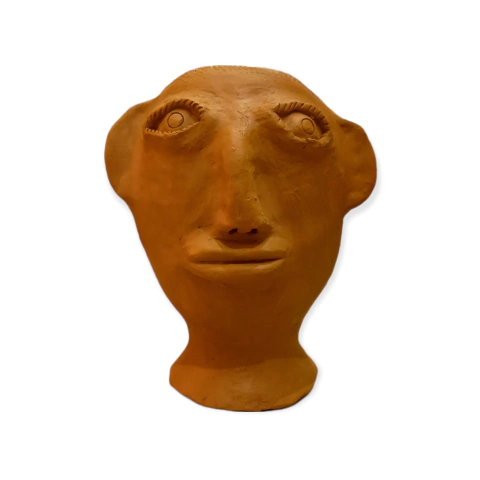
Dona Irinéia's legacy is intrinsically tied to the enduring power and resilience of Arte Popular e Naïf in Brazil, particularly within Alagoas. Her continued practice of cerâmica ensures the vitality of an ancient craft, serving as a beacon for future generations who might otherwise lose connection with these profound artistic traditions. As a master artisan, or mestra, her work not only preserves techniques but also transmits cultural knowledge, narratives, and aesthetic sensibilities crucial for understanding the identity of the Northeast. The lasting influence of artists like Dona Irinéia extends beyond the physical objects they create; it resides in their capacity to inspire, to connect people to their heritage, and to demonstrate the profound artistic potential that exists outside conventional art circuits. Her contribution underscores the importance of valuing self-taught artists whose work, often born of necessity and deep cultural immersion, offers an authentic and irreplaceable voice in the broader tapestry of Brazilian and global art history, cementing her place as a vital cultural figure.