Genaro de Carvalho: Bahia's Legacy Woven in Thread
Origins
In the vibrant, culturally rich landscape of Bahia, Brazil, emerges the enigmatic figure of Genaro de Carvalho, an artist whose legacy is intricately woven into the fabric of Brazilian modernism. Though details of his exact birthplace remain elusive, his roots in Bahia profoundly shaped his artistic journey and choice of medium. Genaro de Carvalho distinguished himself as a pioneering master of tapeçaria, transforming the ancient art of tapestry into a dynamic and significant form of contemporary expression. His work, while not always extensively cataloged in public records, stands as a testament to the power of artistic vision to elevate a craft, imbuing it with profound cultural resonance and artistic merit. Through the meticulous interplay of thread and fiber, Carvalho brought a distinctly Bahian sensibility to the forefront of Brazilian visual arts, forever altering perceptions of textile art. See also Flávio Gadelha: The Quiet Force Shaping Pernambuco Art.
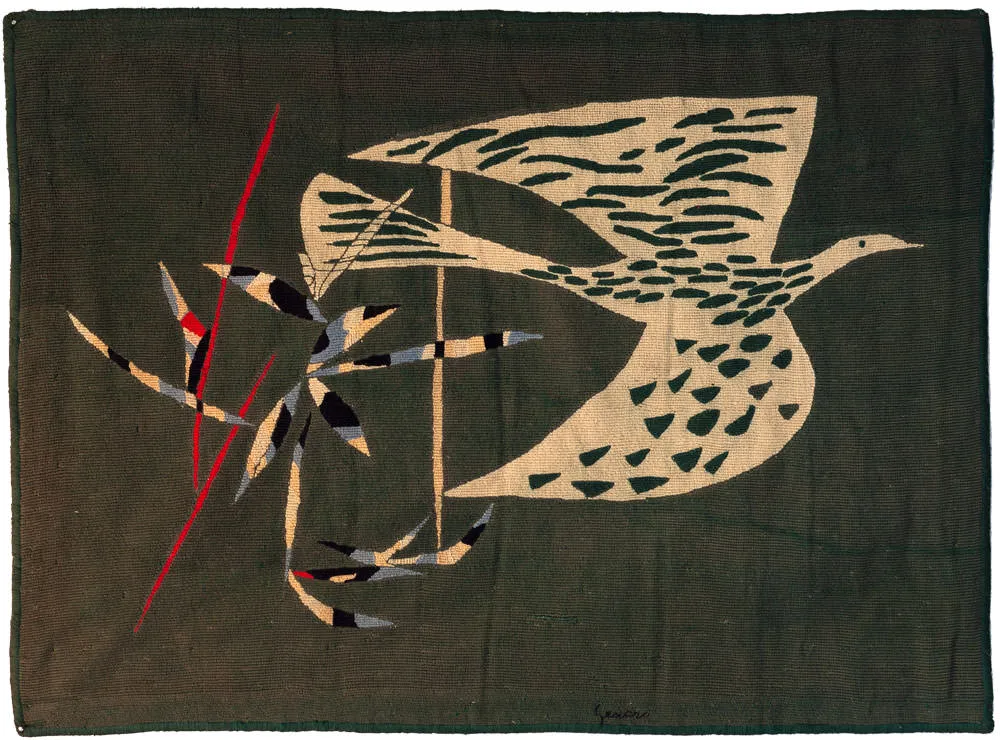
Genaro de Carvalho’s choice of tapestry, or tapeçaria, was a deliberate and pioneering artistic statement. Far from being merely decorative, his work transformed the ancient craft into a powerful vehicle for modern artistic expression within the rich tapestry of Brazilian art. This medium, often associated with domesticity or folk art, was elevated by artists like Carvalho, who saw its potential for monumental scale, intricate detail, and profound narrative depth. The very act of weaving allowed for a unique interplay of texture, form, and color, giving his creations a tactile dimension that distinguished them profoundly from painting or traditional sculpture. While specific titles or detailed descriptions of individual tapestries by Carvalho are not widely documented, the nature of his practice suggests a profound engagement with surface and depth. His works likely explored the vibrant possibilities of thread and fiber, creating intricate patterns, bold color fields, or stylized forms that resonate with the modernist impulses of his era, all imbued with a distinct Bahian spirit. See also Vicente do Rego Monteiro: Where Sacred Scenes Meet Sensual Forms.
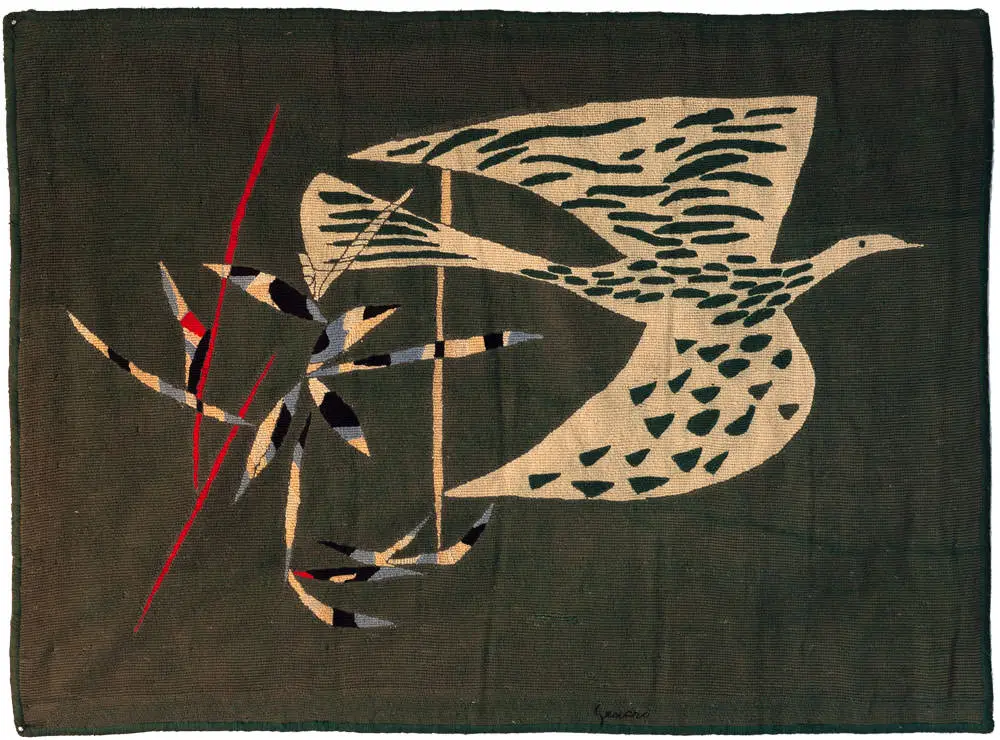
Source: escritoriodearte.com. Credibility: 0.9.
Practice and materials
His contribution extended beyond the creation of individual pieces; Genaro de Carvalho was instrumental in legitimizing tapestry as a serious artistic discipline within the Brazilian art scene. In a period when the lines between "craft" and "fine art" were often rigidly drawn, his dedication to tapeçaria helped to dismantle these artificial barriers, paving the way for future generations of textile artists to explore the medium with renewed freedom and ambition. Hailing from Bahia, a state renowned for its deep African roots, vibrant folklore, and rich spiritual traditions, Genaro de Carvalho’s artistic output implicitly carries the echoes of this unique cultural crucible. The essence of Bahian life—its effervescent colors, syncopated rhythms, mystical narratives, and the profound connection to nature—would naturally find expression through the intricate language of woven threads. Whether through bold abstractions that evoke the Bahian landscape or subtle symbolic forms hinting at its spiritual heritage, his tapestries would have offered a tactile and visually compelling interpretation of See also José Lourenço: Carving Stories of the Northeast in Wood.
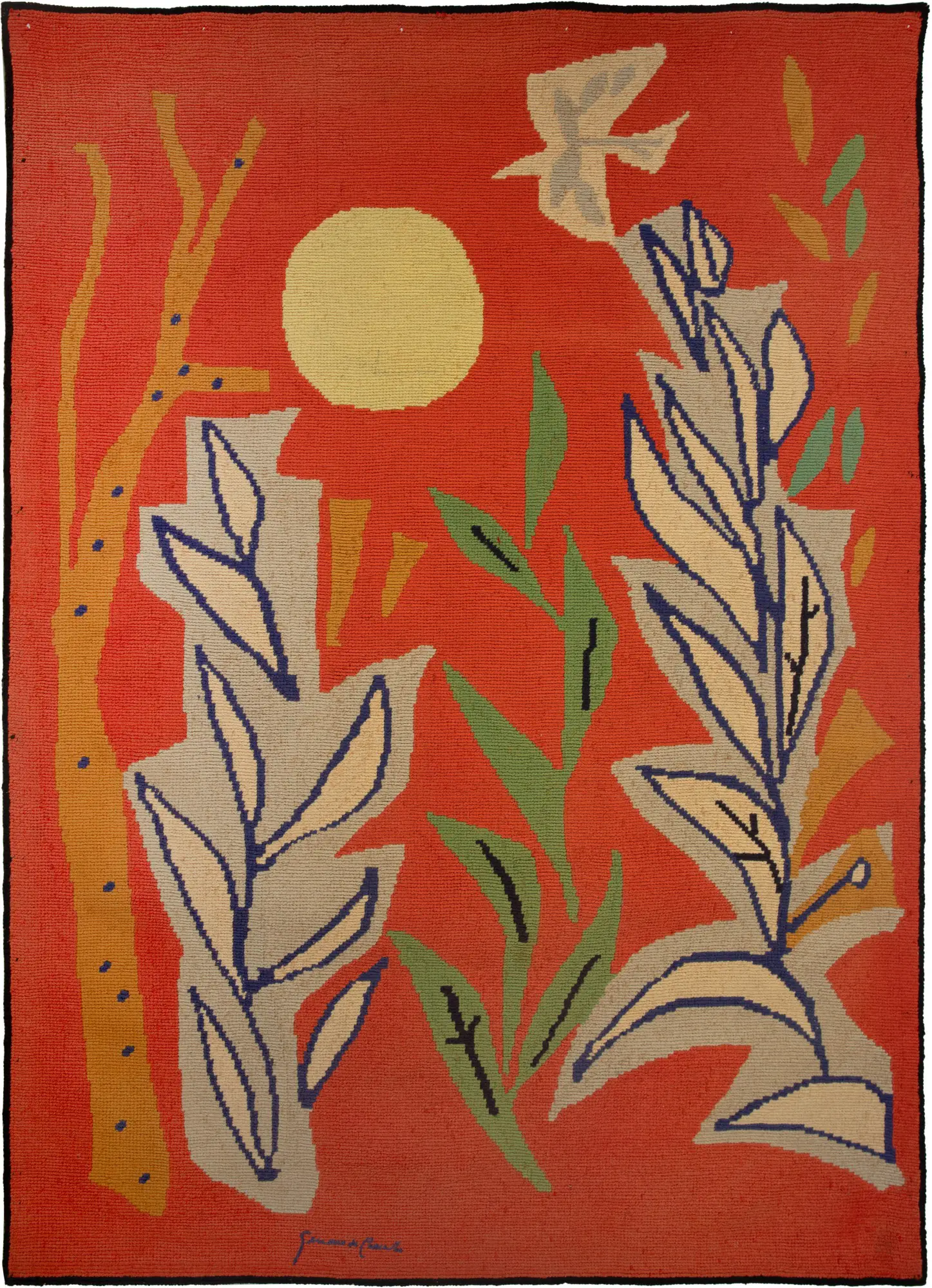
Source: escritoriodearte.com. Credibility: 0.9.
Fontes:
(1) escritoriodearte.com - https://www.escritoriodearte.com/artista/genaro-de-carvalho
(2) dailyartfair.com - https://dailyartfair.com/artist/genaro-de-carvalho
(3) Wikipedia - https://en.wikipedia.org/wiki/Genaro_de_Carvalho
Imagem de capa: Source: escritoriodearte.com. Credibility: 0.9.
This article is part of the CASCA Archive, documenting visual artists from Northeast Brazil. Story about Genaro de Carvalho. See also Leonilson: The Quiet Confessions Stitched into Fabric.