Luiz Hermano: The Ephemeral Poetry of Silver Rain in Sculpture
Origins
Luiz Hermano stands as an artist whose practice in sculpture and drawing has carved a distinctive niche within Brazilian contemporary art. While his birthplace remains unrecorded, his contributions to the visual arts speak volumes, characterized by a profound exploration of material, form, and the delicate interplay between presence and absence. Hermano's artistic journey is defined by a rigorous yet poetic approach to creation, where the tangible world of objects is transformed into something ethereal and deeply contemplative. He invites viewers into a realm where industrial materials often shed their mundane origins to embrace a new, often shimmering, existence. See also J. Cunha and the Tropicalismo of His Carnival Canvas.
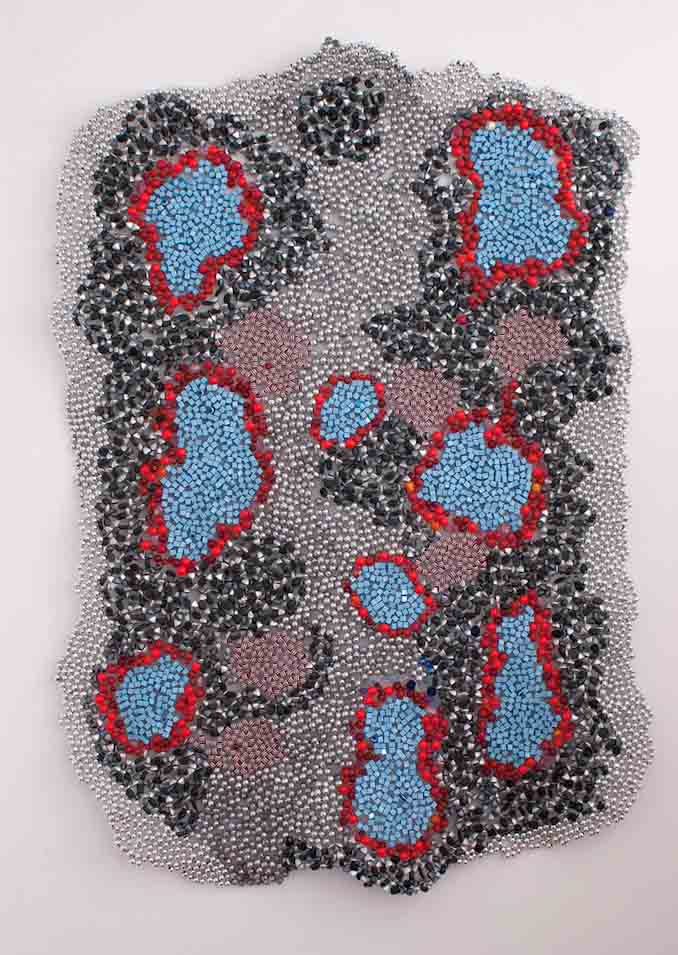
In his sculptural work, Hermano frequently employs an array of materials, from industrial metals to more ephemeral elements, orchestrating them into compositions that challenge perception and redefine the properties of matter. His pieces possess an intricate structural *anatomy*, revealing a meticulous understanding of balance, tension, and the inherent qualities of his chosen media. A prime example, "Chuva de Prata" (Silver Rain), exemplifies his mastery in transforming everyday materials into a mesmerizing artistic statement. This iconic work, often composed of numerous metallic elements such as chains, filaments, or finely cut slivers, evokes the shimmering descent of rain, transforming a common natural phenomenon into a suspended, almost magical, spectacle. The individual components, meticulously arranged, create a unified, flowing form that appears to defy gravity. One might observe how a slender *leg* or a series of subtly integrated supports underpins such an installation, allowing its "rain" to appear to float effortlessly, capturing and refracting light in a mesmerizing dance that shifts with the viewer's movement. See also Flávio Gadelha: The Quiet Force Shaping Pernambuco Art.
Practice and materials
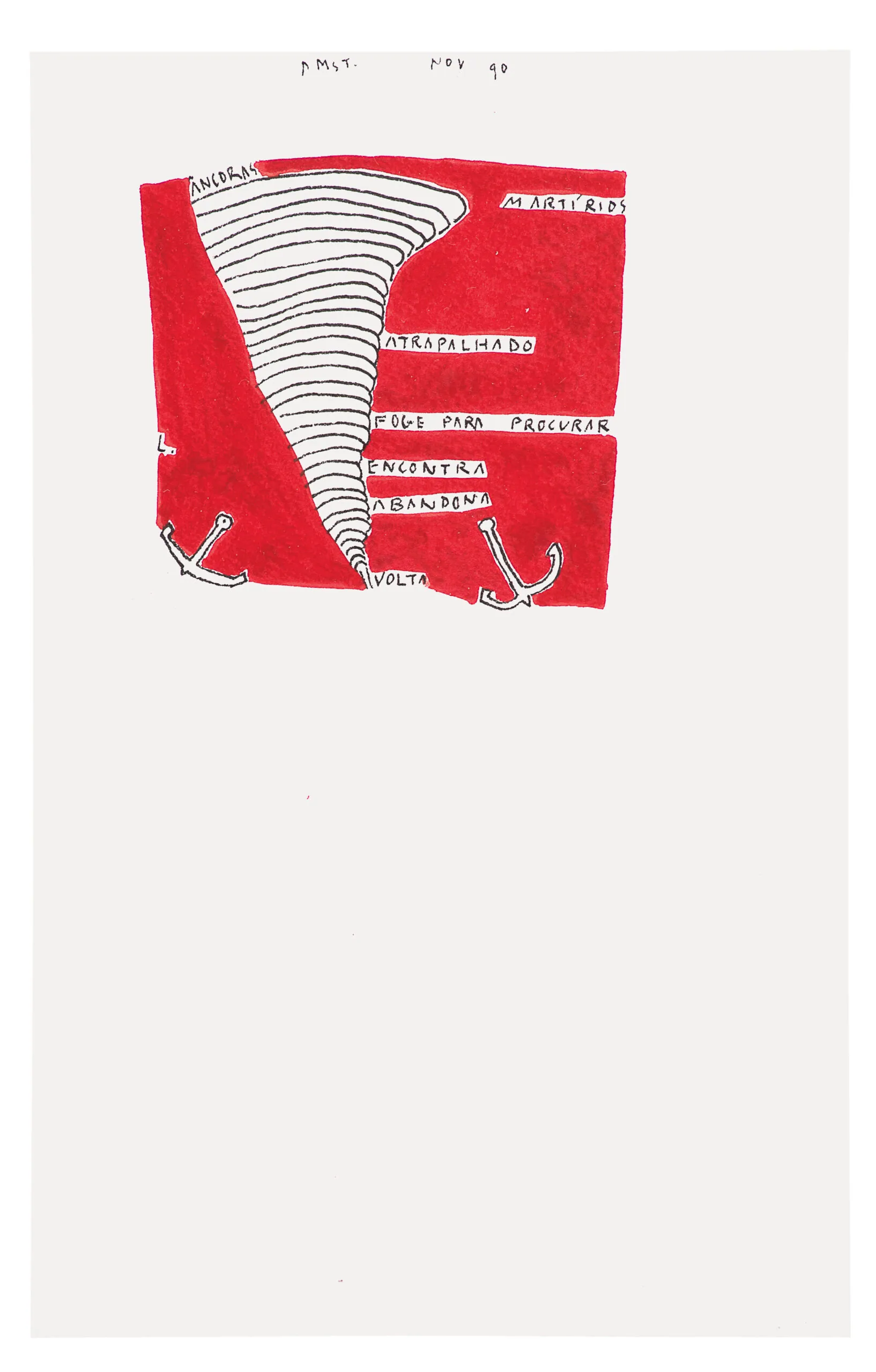
Complementing his three-dimensional practice, Hermano's drawings offer a parallel universe of exploration, often serving as both conceptual studies for his sculptures and potent independent works of art. Here, line and shadow become primary tools, delineating forms and spaces that echo the spatial concerns and material dialogues found in his sculptures. These two practices are intrinsically linked; the drawings often provide a conceptual blueprint, an abstracted echo, or an intimate exploration of the same formal and thematic concerns that manifest physically in his sculptures. Through his drawing practice, Hermano delves deeper into the essence of form, experimenting with rhythm, repetition, and the illusion of depth, further refining the distinctive visual language that defines his unique aesthetic. His graphic works reveal an underlying precision and a poetic sensibility, exploring the potential of line to convey volume, texture, and movement, much like how his sculptures articulate space. See also Mateus Sá: The Visual Pulse of Brazil's Sacred Territories.
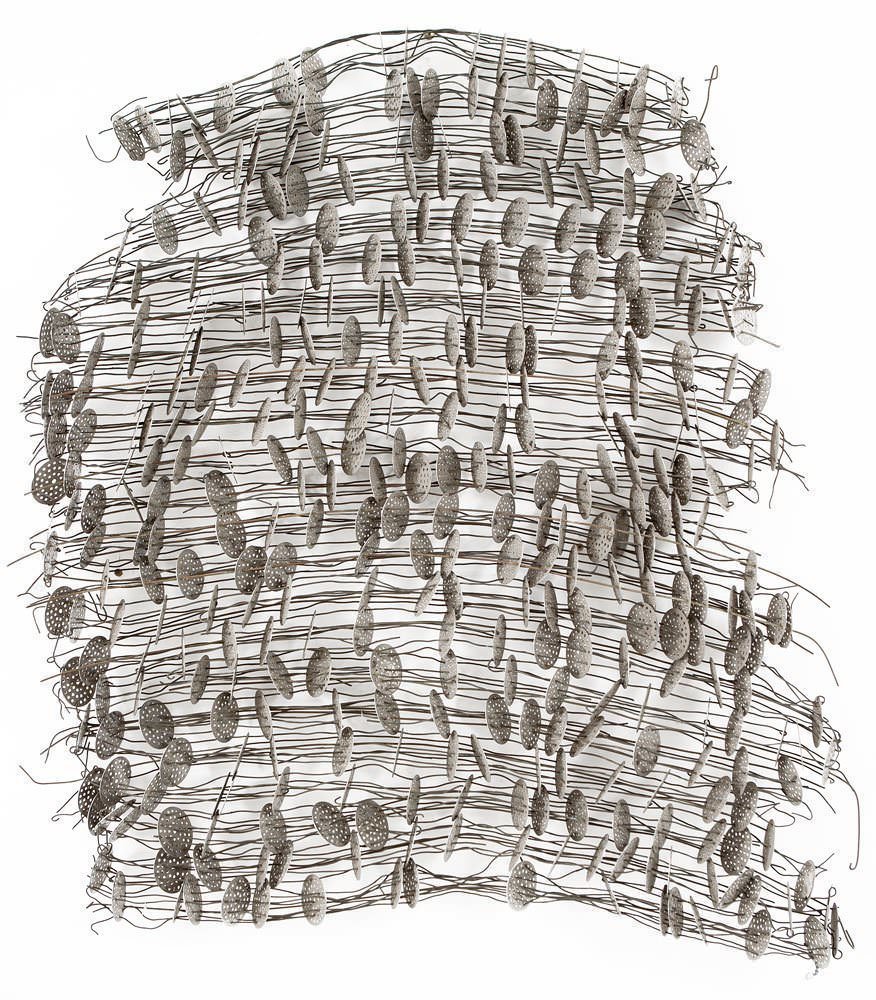
Luiz Hermano's artistic output contributes significantly to the discourse of Brazilian art by pushing the boundaries of material expression and challenging conventional notions of sculpture. His ability to imbue industrial or everyday materials with such profound poetry, creating works that are both robust in their construction and ephemeral in their appearance, marks him as a singular voice. Whether through the captivating shimmer of "Chuva de Prata" or the contemplative lines of his drawings, Hermano consistently crafts experiences that resonate with a universal sense of wonder, inviting us to see the world anew through his meticulously composed and deeply felt artistic lens. See also Marlene Almeida and the Earth's Veins, Painted in Natural Pigment.