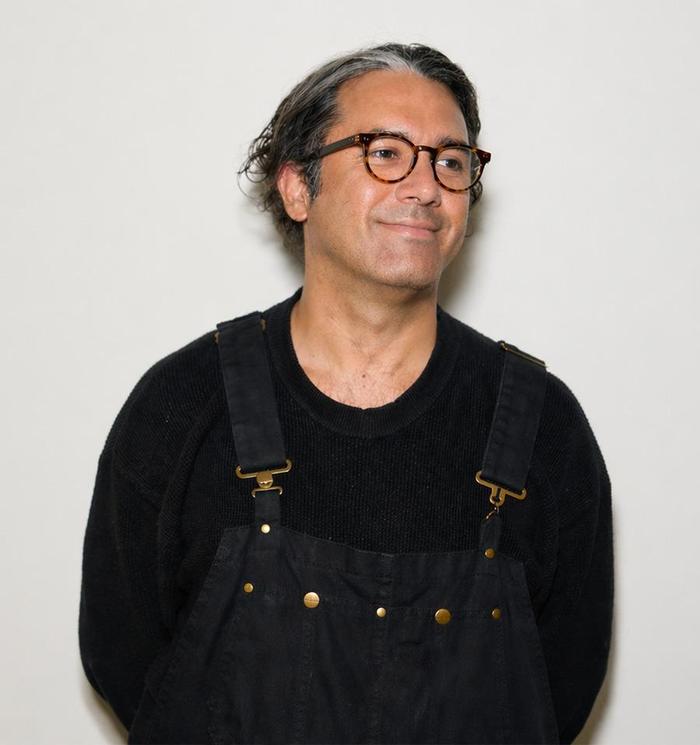
Wellington Virgolino: Forging Figures in High Contrast
From the vibrant cultural heart of Recife, Pernambuco, emerged Wellington Virgolino de Souza (1929-1988), a self-taught artist whose distinctive vision left an indelible mark on Brazilian art. Born and raised in the northeastern capital, Virgolino's journey into the arts was not paved by formal academies but by an innate drive and an early engagement with the local scene. By 1948, he was already collaborating with the *Jornal Pequeno* in Recife, an early indicator of his connection to the pulse of his community and his burgeoning artistic career, which spanned painting, engraving, and sculpture. This multidisciplinary approach allowed him to explore diverse facets of expression, solidifying his place among the significant, albeit sometimes less documented, voices of his generation. See also Luiz Hermano: The Ephemeral Poetry of Silver Rain in Sculpture.
Virgolino's visual language, characterized by a flat, high-contrast style, imbued his figurative works with a striking immediacy. As a painter, his canvases likely presented bold forms and stark delineations, emphasizing the emotional and structural integrity of his subjects rather than intricate detail. This approach created a powerful visual impact, drawing the viewer into a world where form and shadow played a primary role. Beyond the canvas, his practice extended to engraving, a medium that naturally lends itself to high contrast and sharp lines, allowing him to further refine his graphic sensibility. These two distinct bodies of work—his paintings and his engravings—each offered a unique window into his understanding of form and narrative, consistently returning to the human figure as a central motif. See also Marlene Almeida and the Earth's Veins, Painted in Natural Pigment.
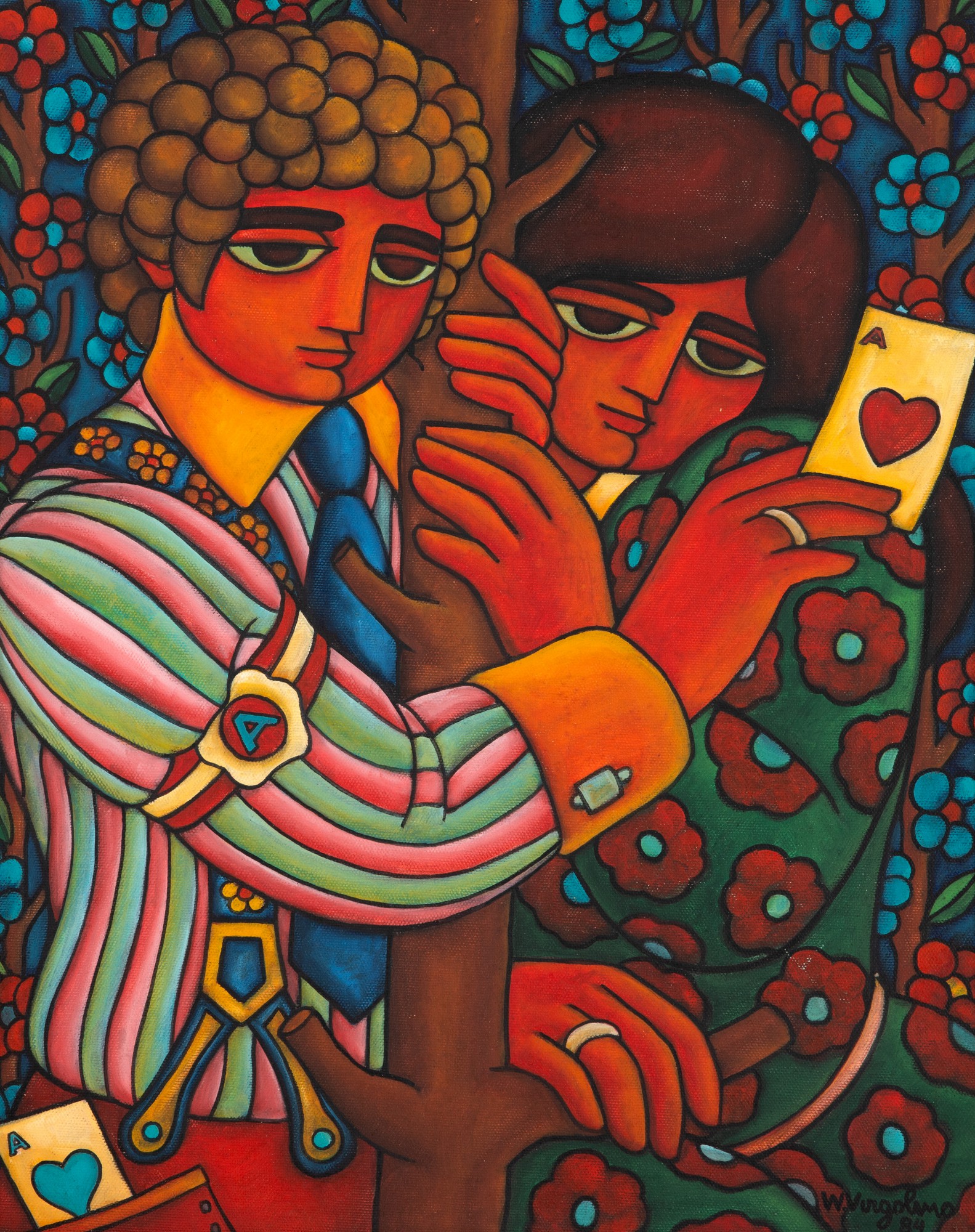
In his sculptural endeavors, Wellington Virgolino brought the same intensity of his two-dimensional work into three dimensions. While specific named works are scarce in available records, it's evident that his sculptures would have translated his signature high-contrast aesthetic into physical volume and form. One can imagine his figures, whether carved or modeled, exhibiting a strong sense of presence, where the interplay of light and shadow on their surfaces would define their dramatic contours. His exploration of the human **anatomy** in these pieces would have been less about academic realism and more about expressive essence, each sculpted **leg** or arm contributing to the overall powerful, almost monumental, presence of his creations. This holistic approach across different mediums speaks to an artist deeply committed to exploring the core principles of his visual language.
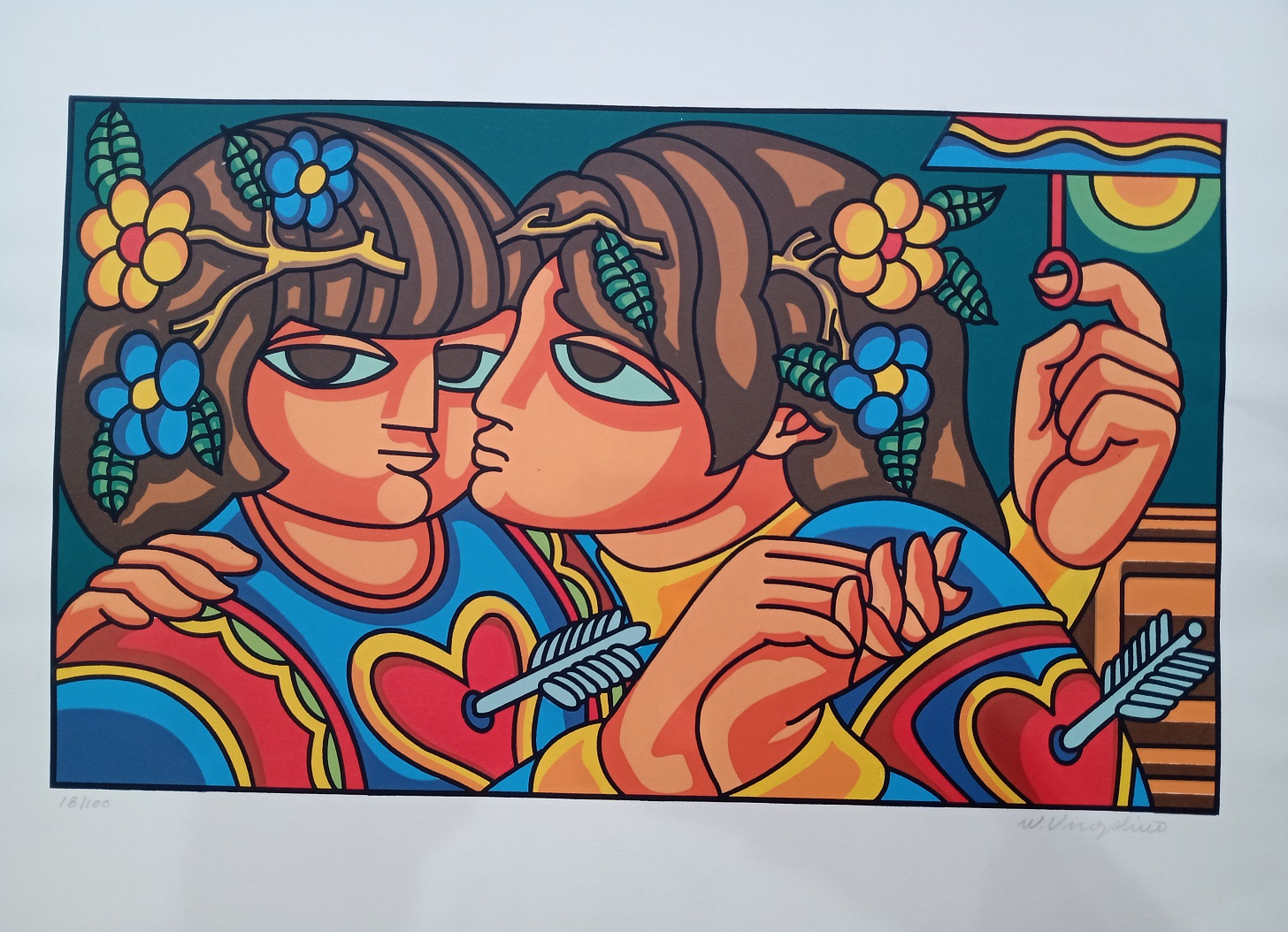
Wellington Virgolino's significance lies not only in his artistic output but also in his trajectory as a self-taught artist from Northeast Brazil. Operating outside the conventional art establishment, he contributed to a rich tradition of regional artists who, through sheer talent and dedication, carved out their own spaces in the national art scene. His early collaboration with a local newspaper suggests a grounded connection to popular culture and everyday life, enriching his artistic perspective. Though much of his oeuvre awaits deeper scholarly exploration, Virgolino remains a testament to the vibrant artistic spirit of Pernambuco, a painter, engraver, and sculptor whose high-contrast figures continue to resonate with a distinct and powerful voice.