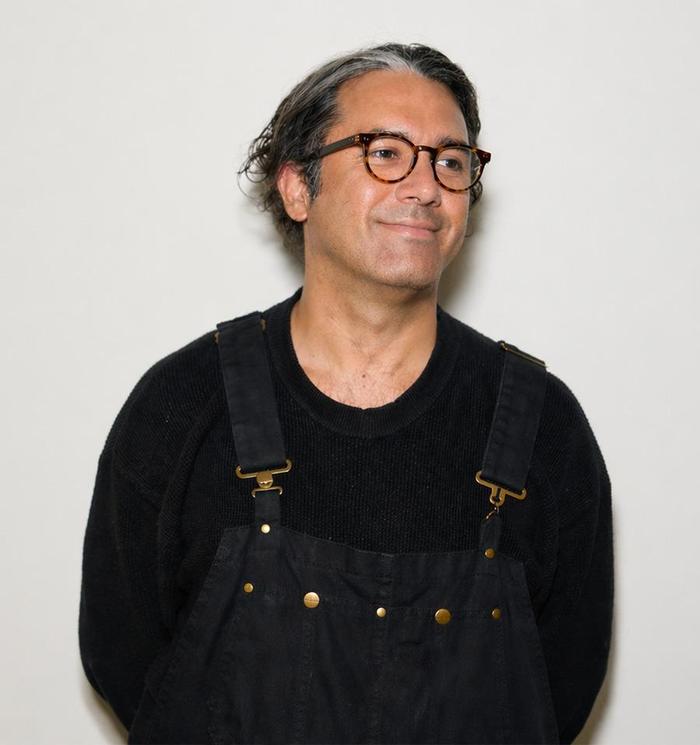
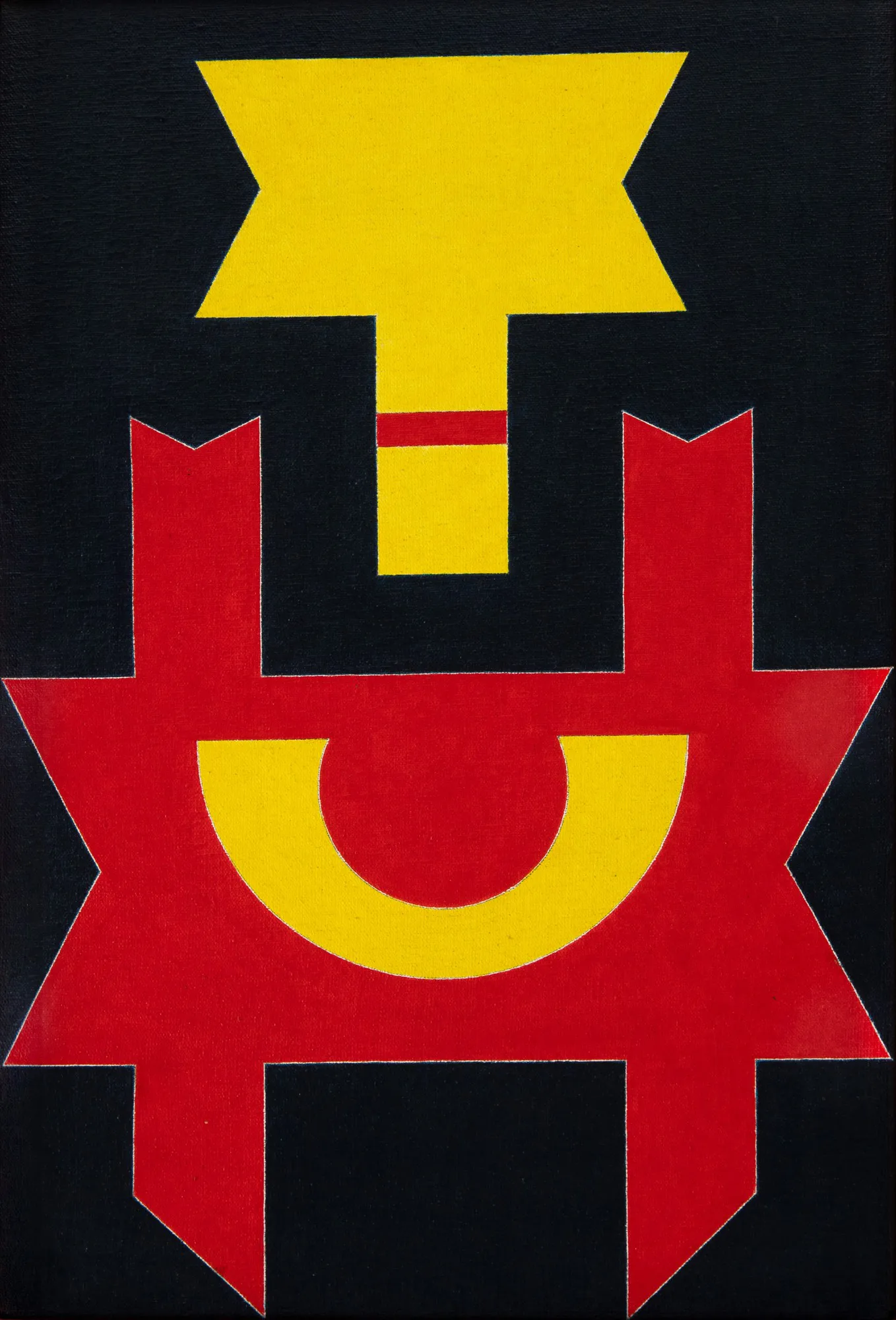
Maurício Arraes: The Body's Leg and Anatomy Through the Brush
In the vibrant tapestry of Brazilian visual arts, the name Maurício Arraes stands as a testament to the enduring power and versatility of pintura. While specific biographical details regarding his birthplace remain largely unrecorded, Arraes’s singular dedication to painting as his primary artistic practice firmly establishes his place within a rich lineage of artists who have shaped Brazil's visual identity. His work, rooted in the foundational medium of paint, invites viewers into a dynamic dialogue with form, color, and the very act of creation itself, embodying a profound engagement with the canvas as a space for both introspection and bold expression.
Arraes's artistic journey through pintura is characterized by a deep exploration of how paint can delineate, dissolve, and reconstruct visual realities. Through his brush, he delves into the very anatomy of his subjects, whether they are figures, landscapes, or abstract compositions. This isn't merely a superficial rendering but a structural inquiry, where layers of pigment and deliberate strokes reveal the underlying framework of what is seen and felt. He masters the delicate balance between showing and suggesting, allowing forms to emerge from a controlled chaos of color, compelling the viewer to engage actively in the process of visual decipherment. His approach underscores painting’s unique capacity to dissect and reassemble the world, offering new perspectives on familiar elements. See also Mateus Sá: The Visual Pulse of Brazil's Sacred Territories.
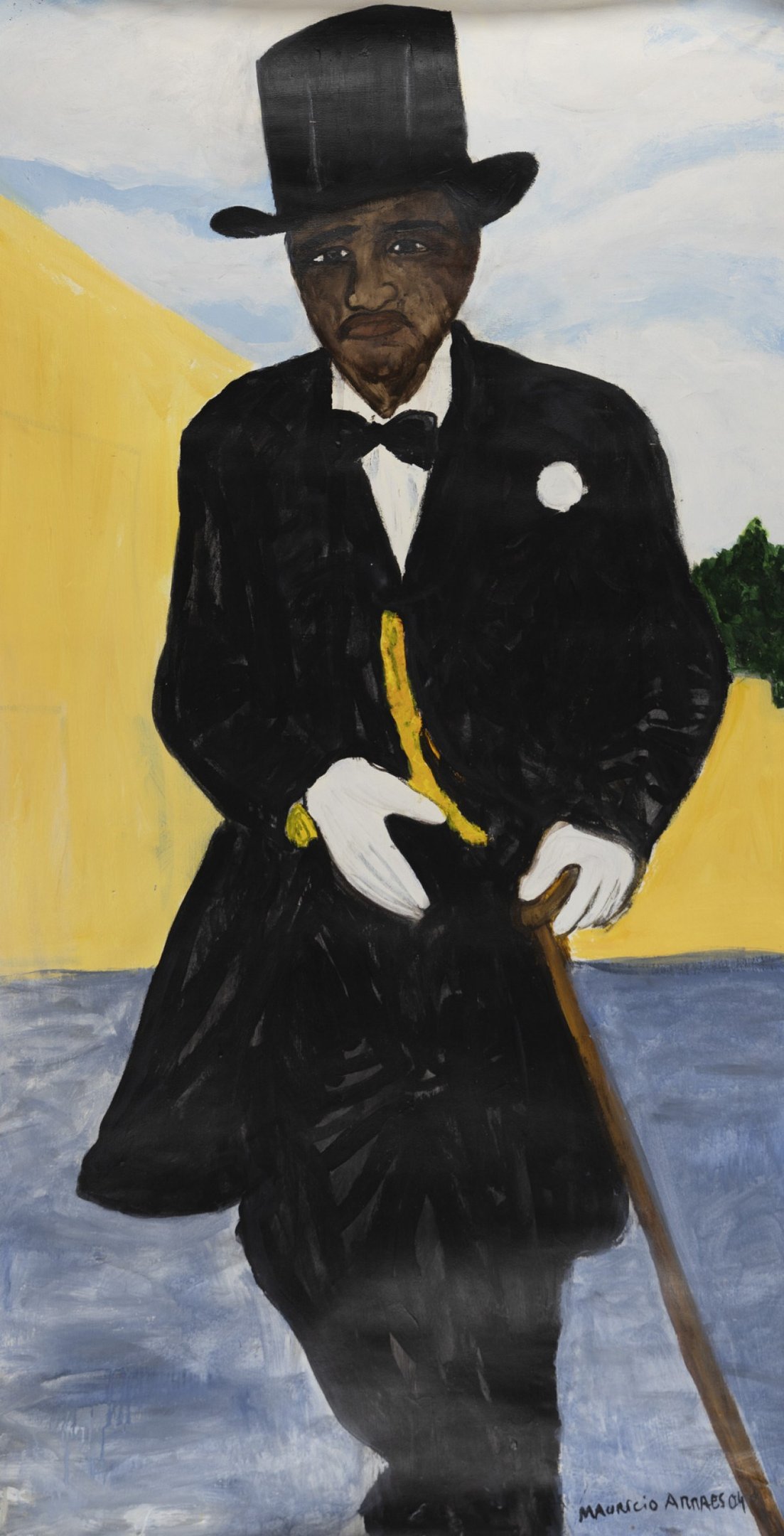
https://jc.uol.com.br/cultura/2024/03/13/mauricio-arraes-atualiza-perspectiva-artistica-em-nova-exposicao-na-arte-plural-no-recife.html See also Eduardo Eloy and the Precise Anatomy of Printmaking.
The visual language Maurício Arraes cultivates is often marked by a confident hand and an intuitive understanding of composition. His mastery of pintura enables him to imbue his works with a powerful sense of presence, whether through vibrant palettes that sing with the energy of the tropics or more subdued tones that evoke contemplation. Within his canvases, one might discern a recurring engagement with the human figure, or perhaps an abstracted landscape where every line serves a purpose. The dynamic leg of a figure in motion, or the strong, foundational "leg" of a geometric structure, often grounds his compositions, providing both stability and a point of departure for the eye. This element speaks to the underlying rhythm and balance in his work, where even the most abstract gestures are imbued with a sense of deliberate construction and purposeful movement.
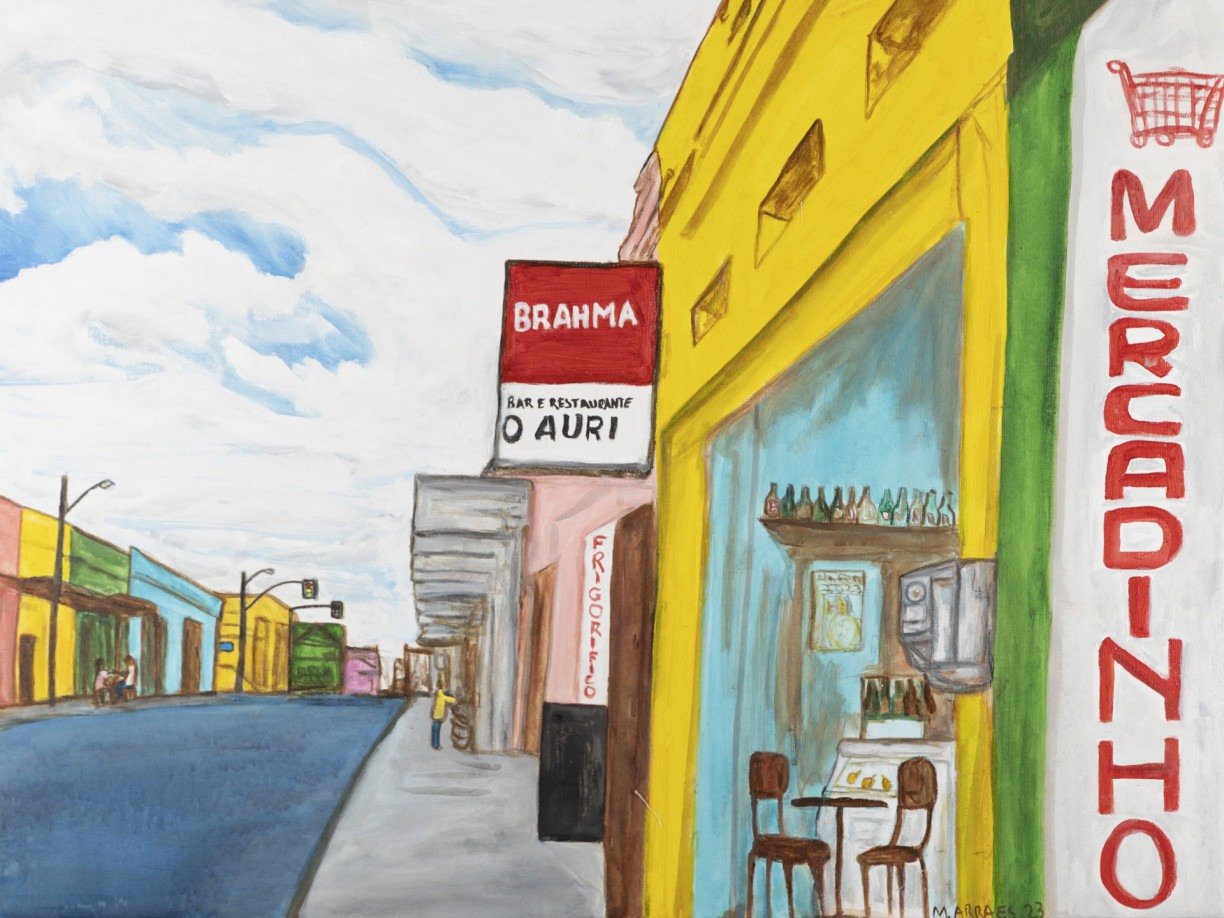
https://jc.uol.com.br/cultura/2024/03/13/mauricio-arraes-atualiza-perspectiva-artistica-em-nova-exposicao-na-arte-plural-no-recife.html
Maurício Arraes’s contribution lies in his steadfast commitment to painting as a timeless and essential form of artistic communication. His work, while perhaps less overtly tied to specific regional narratives due to the lack of documented origins, resonates with the broader spirit of Brazilian modernism and contemporary art, which has consistently embraced painting as a vital medium for expressing national identity and universal human experiences. Through his meticulous yet expressive pintura, Arraes reminds us that the act of applying paint to a surface is far more than a simple craft; it is a profound intellectual and emotional endeavor that continues to offer boundless opportunities for discovery and connection, leaving an indelible mark on the landscape of visual art.
Fontes:
Imagem de capa: https://jc.uol.com.br/cultura/2024/03/13/mauricio-arraes-atualiza-perspectiva-artistica-em-nova-exposicao-na-arte-plural-no-recife.html
This article is part of the CASCA Archive, documenting visual artists from Northeast Brazil. Story about Maurício Arraes.