The Northeast at SP-Arte Rotas 2026: A Zone of Suspension
At SP-Arte Rotas 2026, Cave places artistic production connected to Brazil's Northeast at the center of a national contemporary-art circuit. Its presentation, Zona de Suspensão, is curated by Lucas Dilacerda, a member of the International Association of Art Critics, and brings together nine artists: Jane Batista, Bárbara Banida, Rita Lessa, Navegante Tremembé, Gi Monteiro, Sérgi Gurgel, Charles Lessa, Cadeh Juaçaba, and Letícia Façanha. Presented at ARCA in São Paulo from August 20 to 24, the project treats suspension as more than a pause. It becomes a curatorial method for loosening the categories inherited from modern and colonial thought, allowing other relations between bodies, materials, territory, and memory to emerge. See also Silvana Mendes and the Radiant Repair of the Colonial Archive.
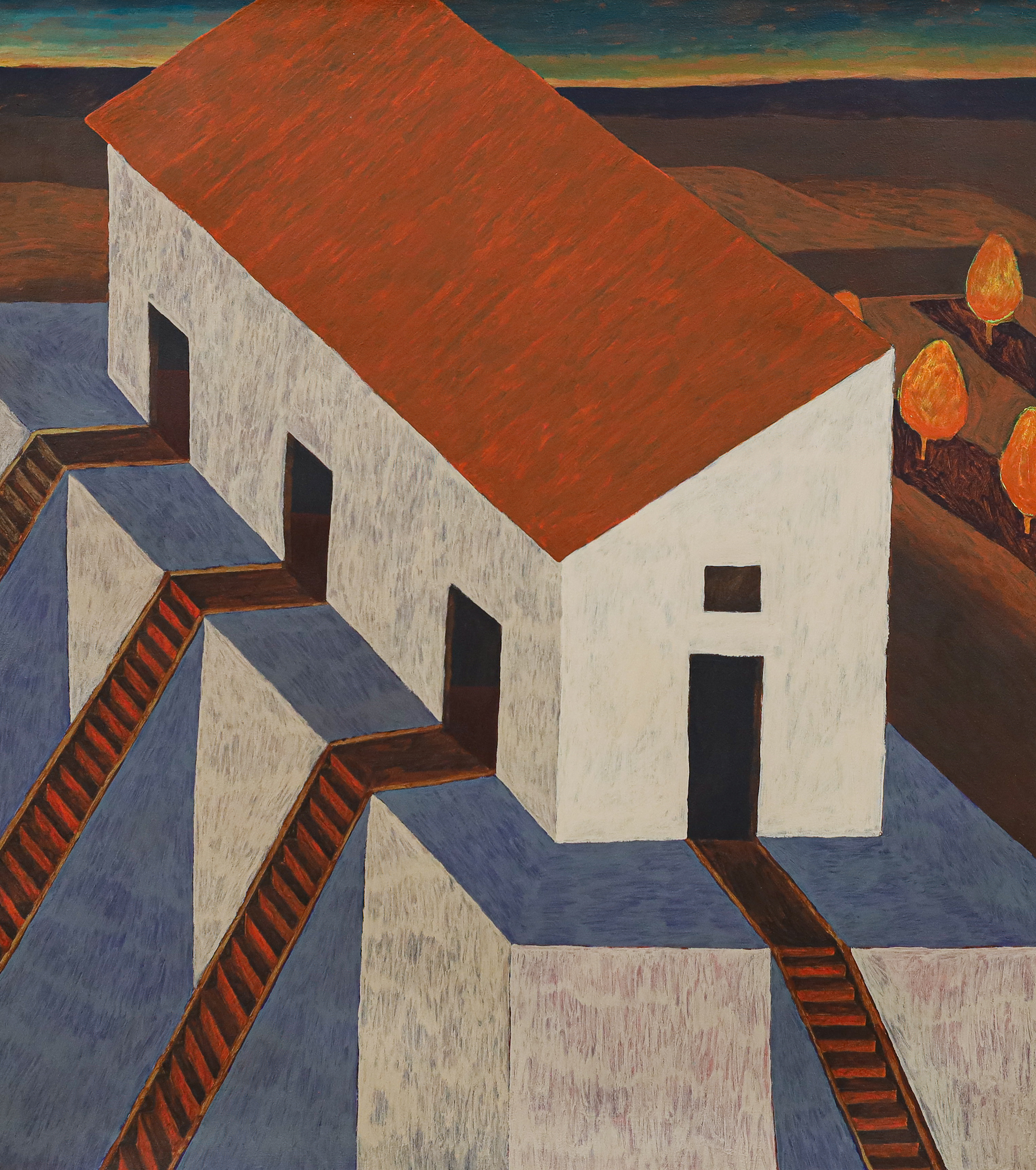
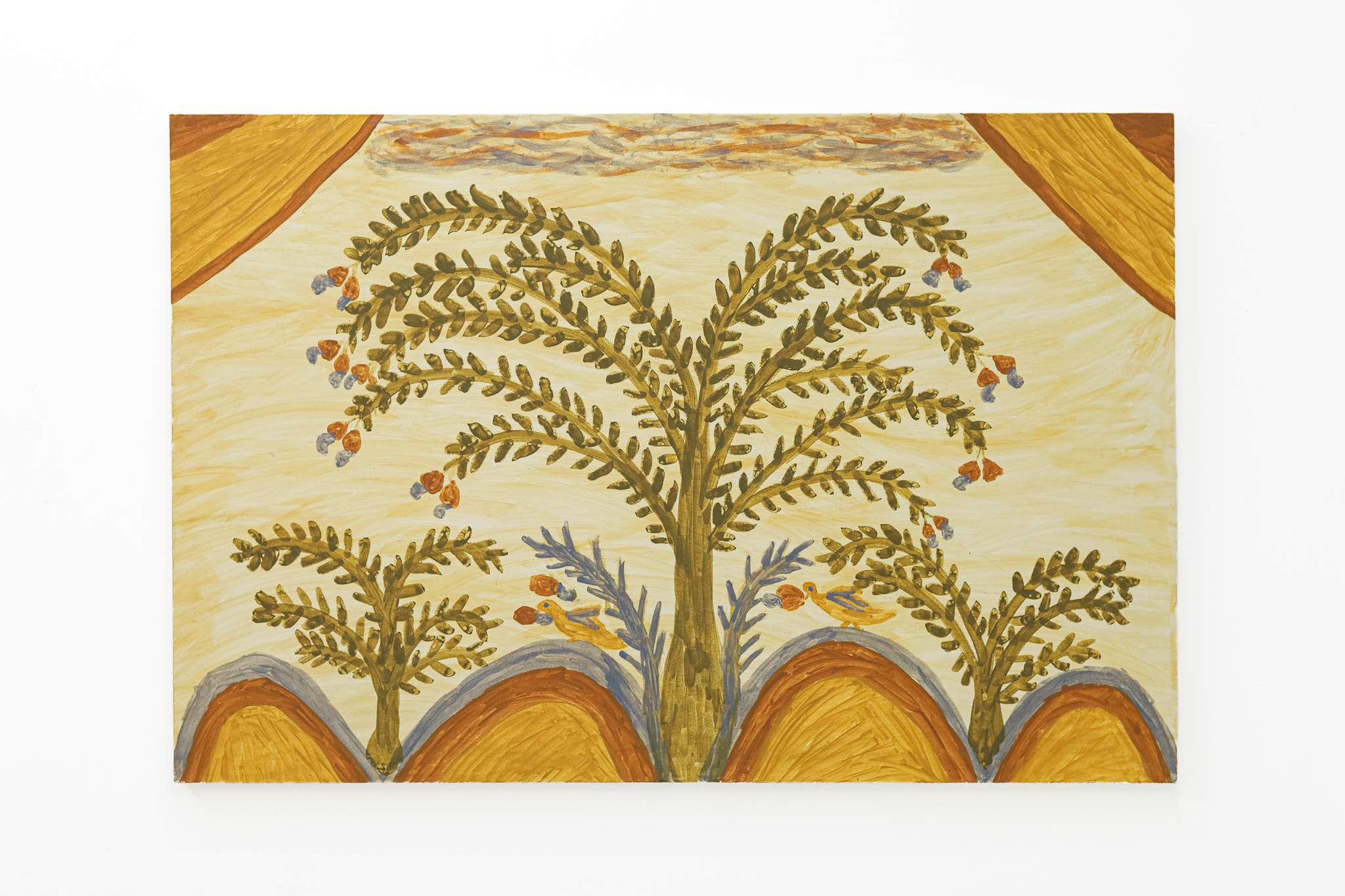
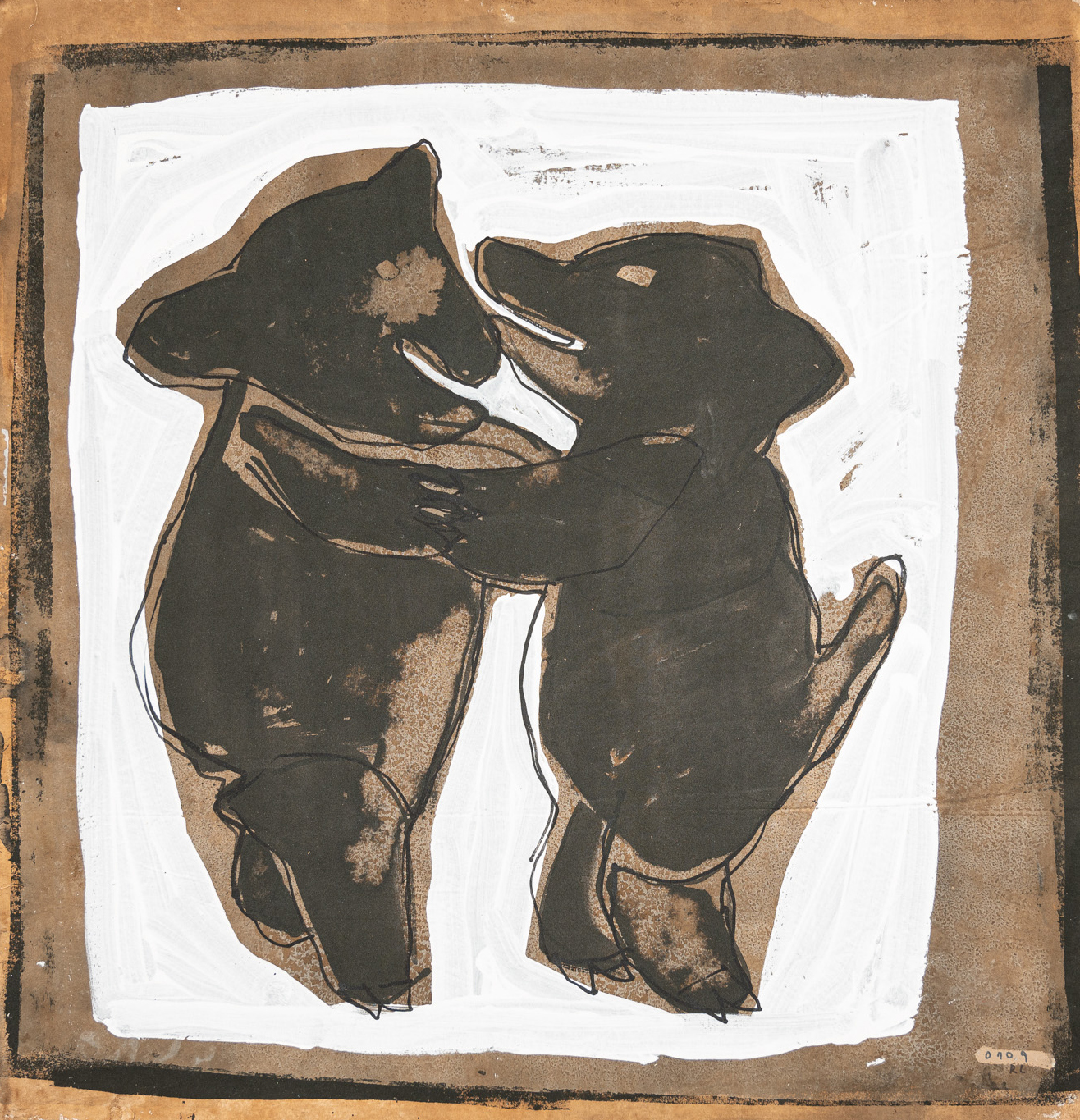
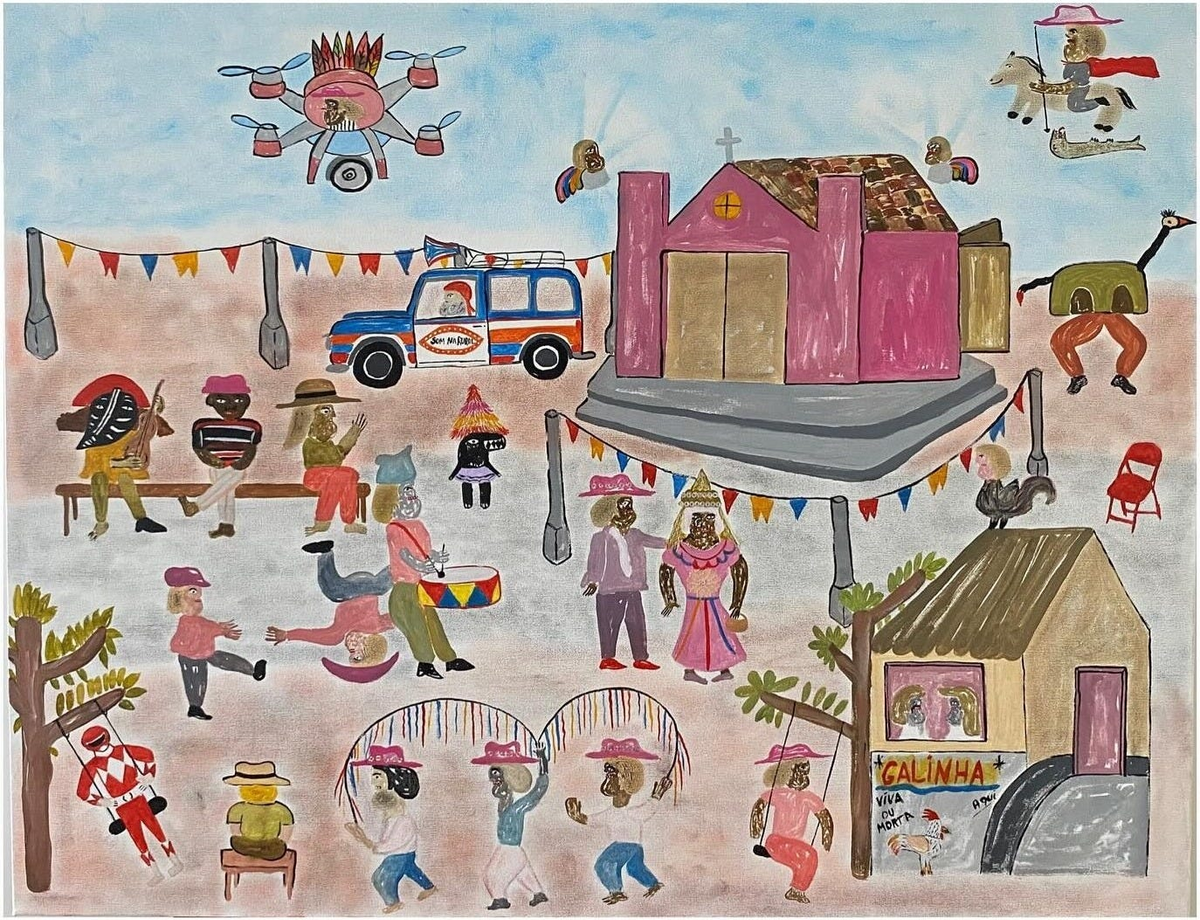
The artists approach that proposition through distinct languages rather than a unified regional style. Batista's photography repositions images of Black womanhood, while Banida's sculptures imagine organisms in states of continuous regeneration. Lessa moves between painting and sculpture to assemble hybrid worlds; Tremembé uses ancestral Indigenous natural pigments to register threatened species; and Monteiro translates the cycles of nature into abstract compositions. Gurgel restores memory and affection to everyday objects, Charles Lessa reinvents the sertão through surreal and anarchic narratives, Juaçaba tests the stability of national symbols, and Façanha turns endangered landscapes into atmospheres of resistance. Across these practices, established boundaries - subject and object, nature and culture, past and present, reality and imagination - become provisional rather than fixed. See also Gabriel Archanjo and the Figure as a Field of Resistance.
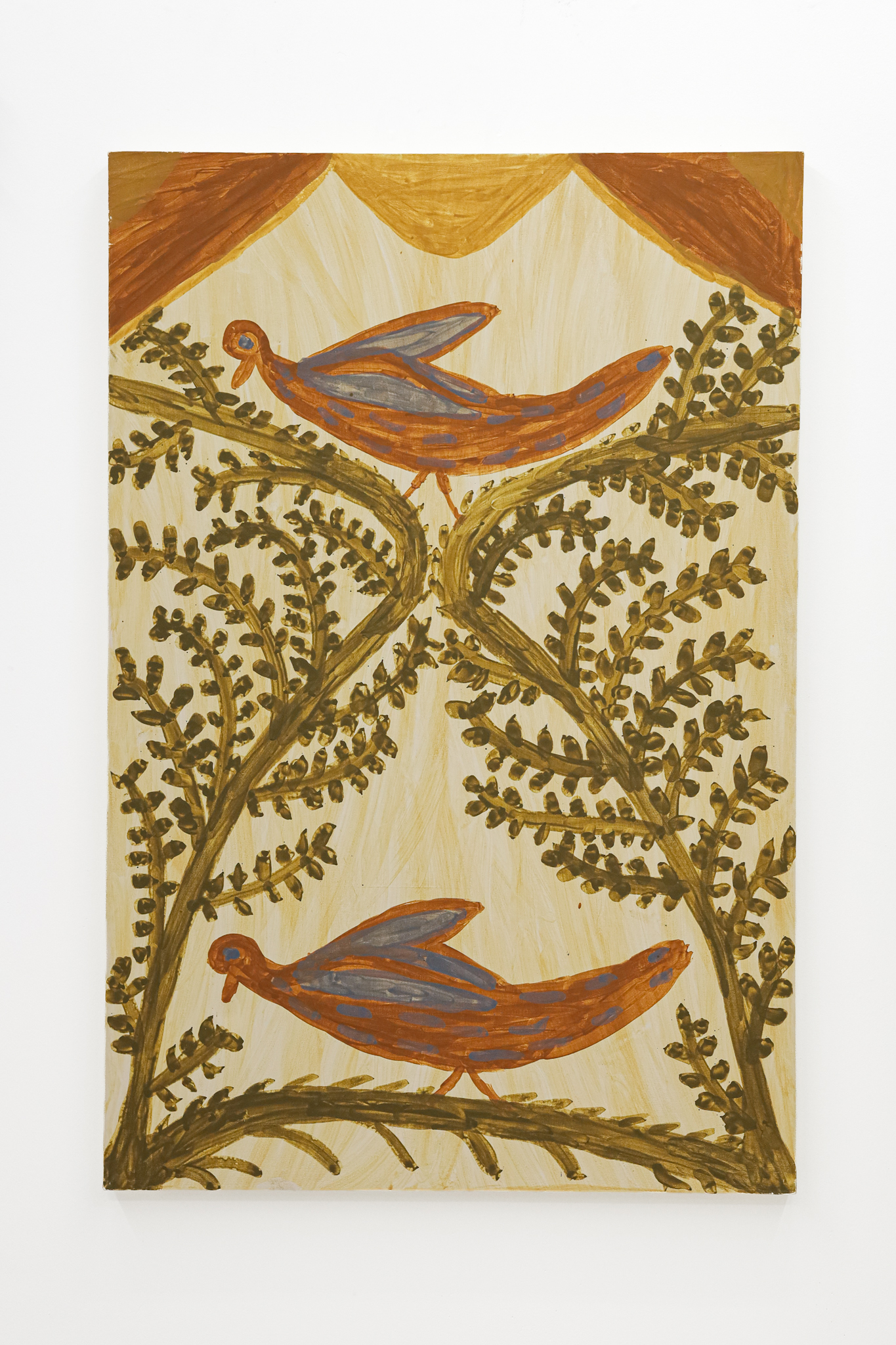
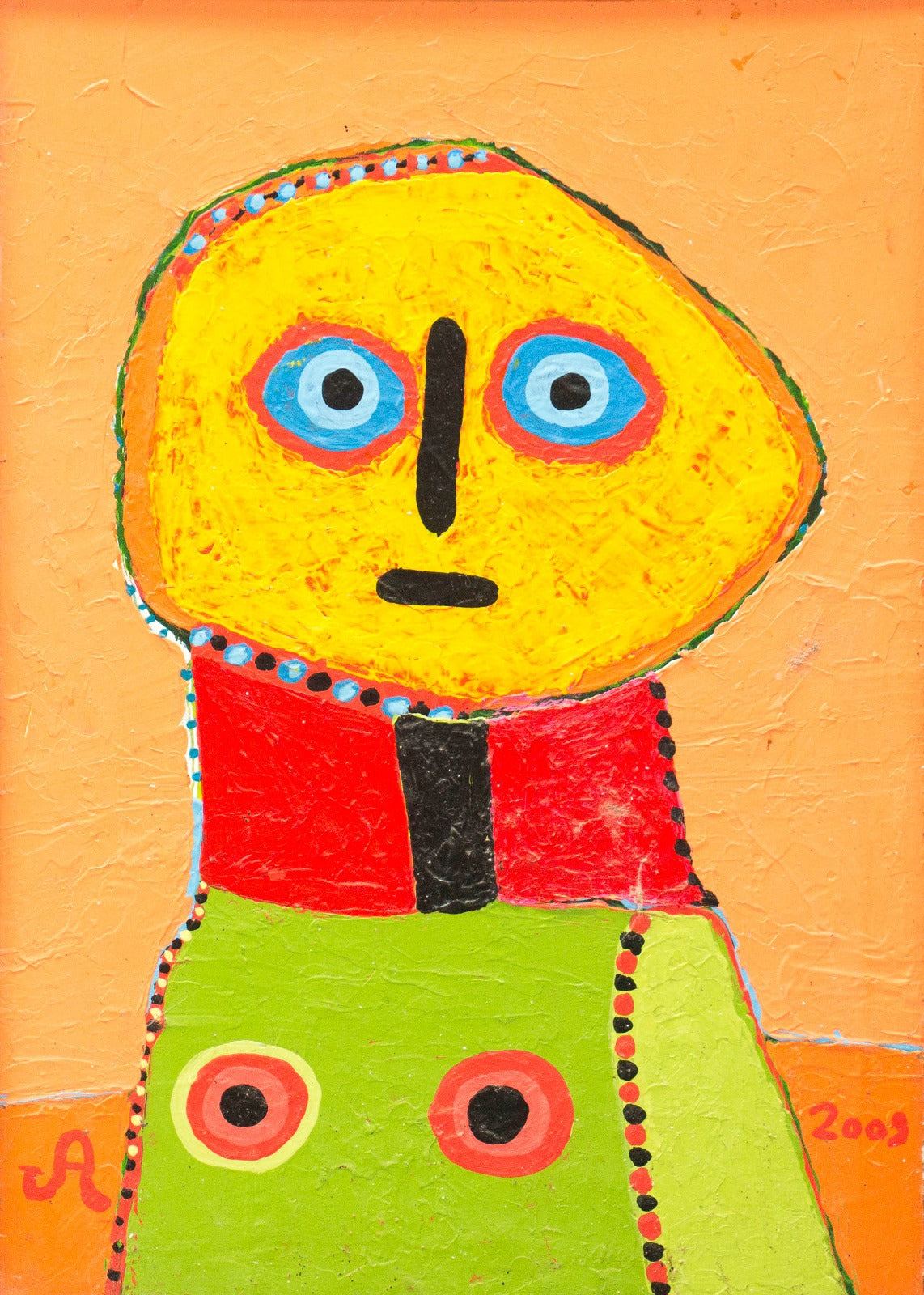
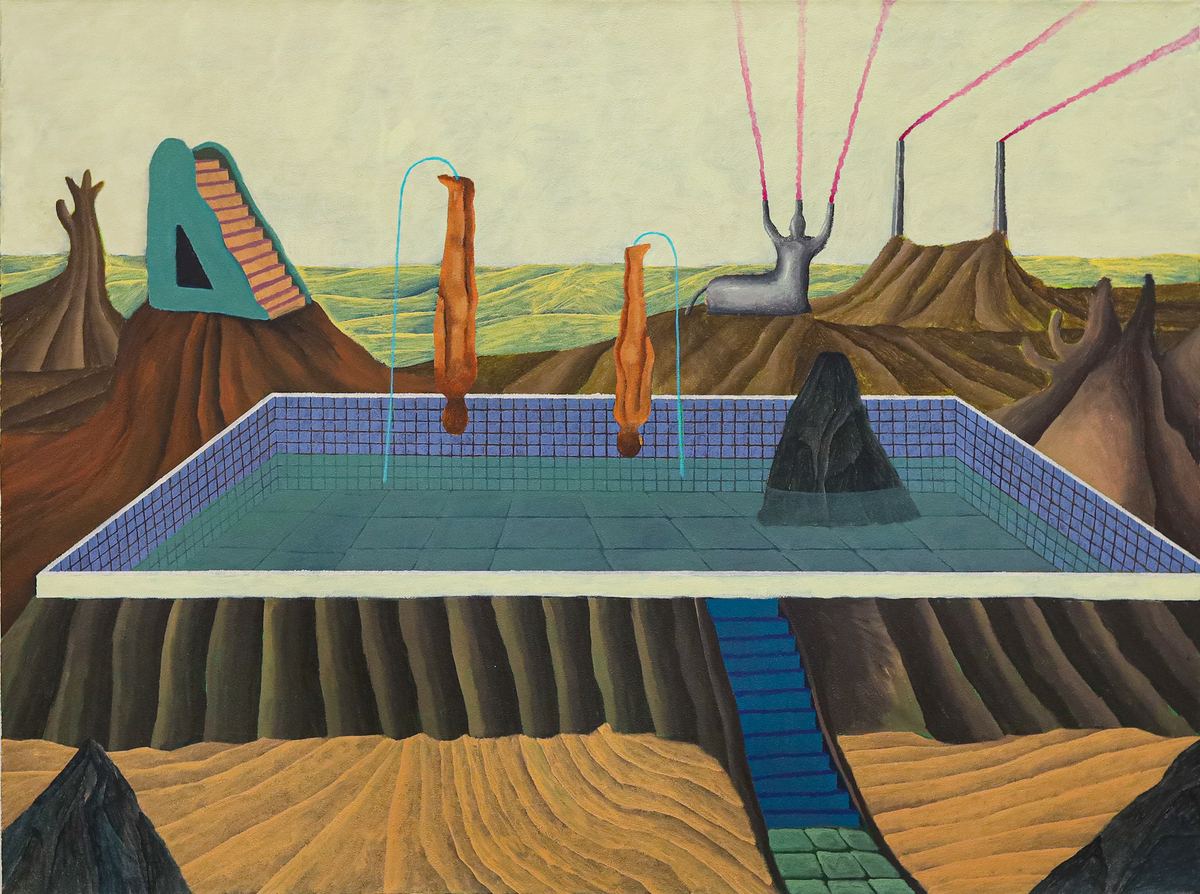
The press images supplied for the presentation make this range especially tangible. In Navegante Tremembé's 2026 paintings, birds, trees, hills, and flowing bands of earth are rendered with an intentionally direct rhythm. The use of natural pigment is not simply a formal choice: it connects image-making to Indigenous knowledge and to the living environments the works seek to record. Rita Lessa's compositions, by contrast, press bodies and abstract masses against one another until figures seem to become landscape, vessel, or animal. Their rough outlines and earthen palette keep painting close to objecthood. Charles Lessa builds another kind of unstable territory. Houses, pools, stairways, industrial forms, and uncanny figures occupy carefully organized spaces that feel at once architectural and dreamlike, translating the sertão into a speculative stage rather than a documentary view.
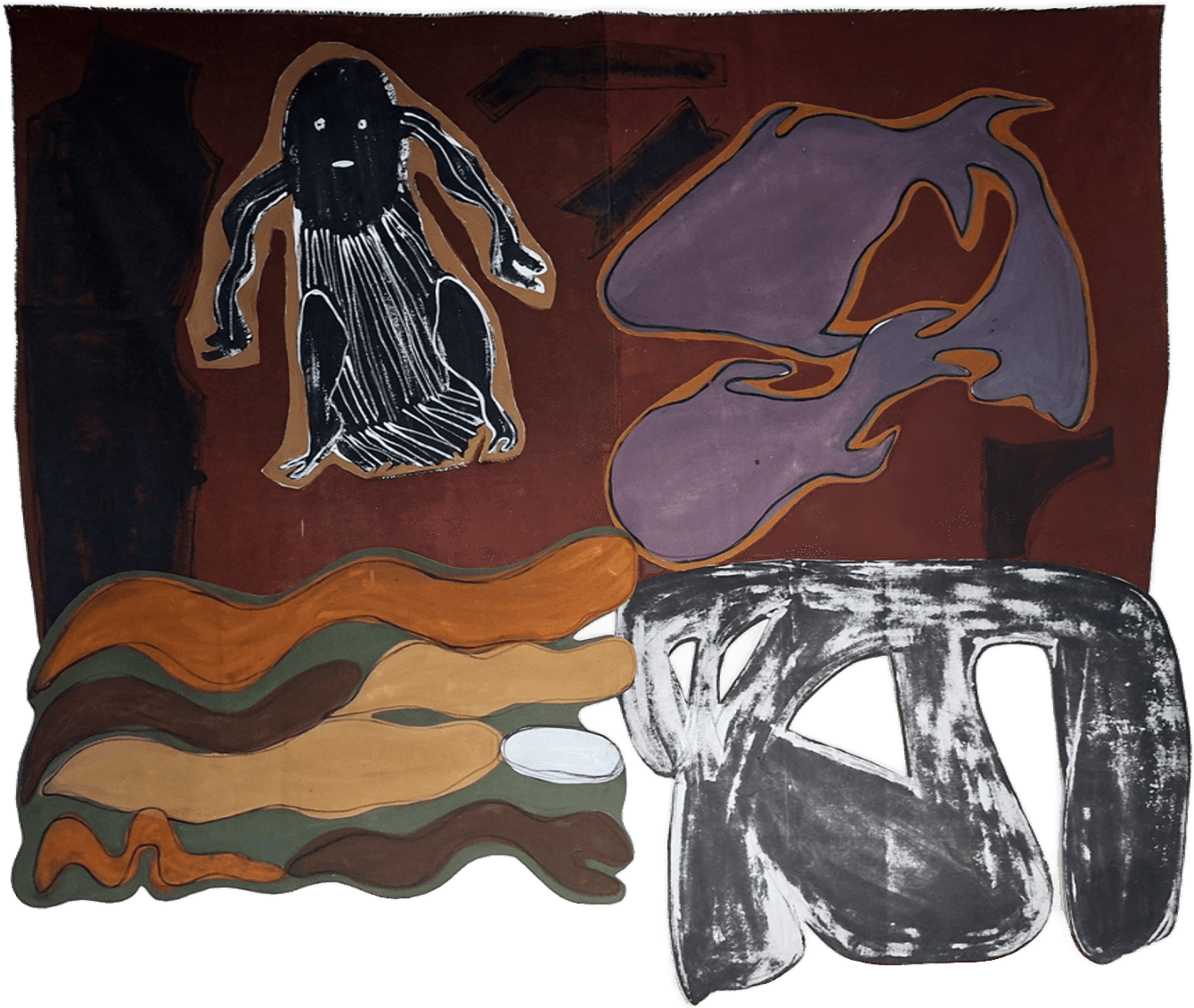
Zona de Suspensão also clarifies Cave's broader curatorial position. The gallery describes its program as grounded in long-term attention to individual research, close relationships with artists, and projects that exceed the logic of a single exhibition. Bringing this constellation to SP-Arte Rotas extends the circulation of those practices beyond the Northeast without asking them to surrender their differences. The Northeast appears here not as a fixed identity or a decorative theme, but as a field of rigorous contemporary inquiry shaped by multiple territories, histories, and forms of knowledge. In that sense, the presentation's strongest gesture is not simply visibility. It is the insistence that experimentation, formal invention, ecological attention, and the revision of colonial narratives are already central to how contemporary Brazilian art understands its present.