Lula Cardoso Ayres and the Modern Line of Pernambuco
Lula Cardoso Ayres, born in Recife, Pernambuco, in 1910 and active until his death in the same city in 1987, made modern painting answer to the rhythms of the Northeast. Trained first with Heinrich Moser and later at the Escola Nacional de Belas Artes, he absorbed Paris, Rio, magazine illustration and stage design before returning to Pernambuco. The turn that mattered most came in the sugar zone: after the family fortune collapsed, Ayres worked on a plantation, lived near field hands, and studied games, dances, pottery, masks and rural ceremony at close range. When his Rio solo show opened in 1946, TIME saw that change clearly: "the best Brazilian painter to come along since Candido Portinari," wrote TIME in 1946. See also Cordel Does Not Fit in Drawers: Marina Nabuco on the Living Archive of Instituto Brincante.
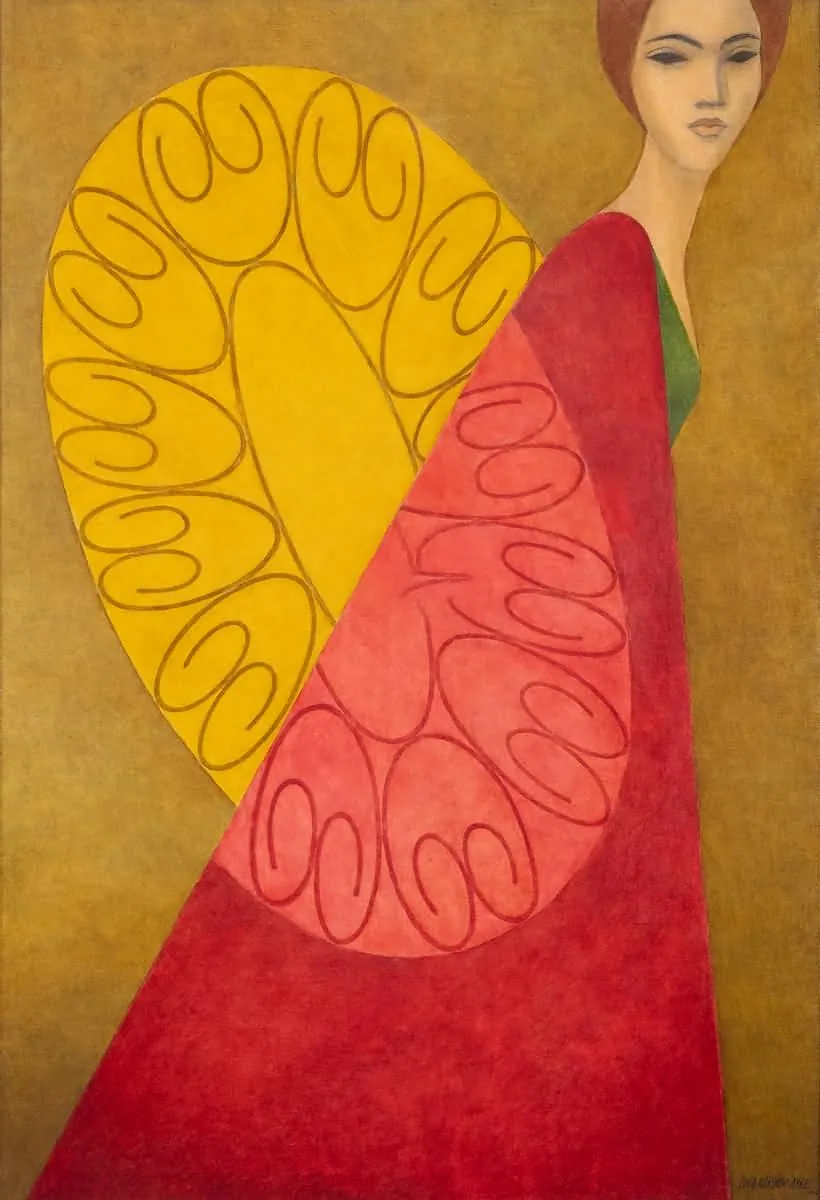
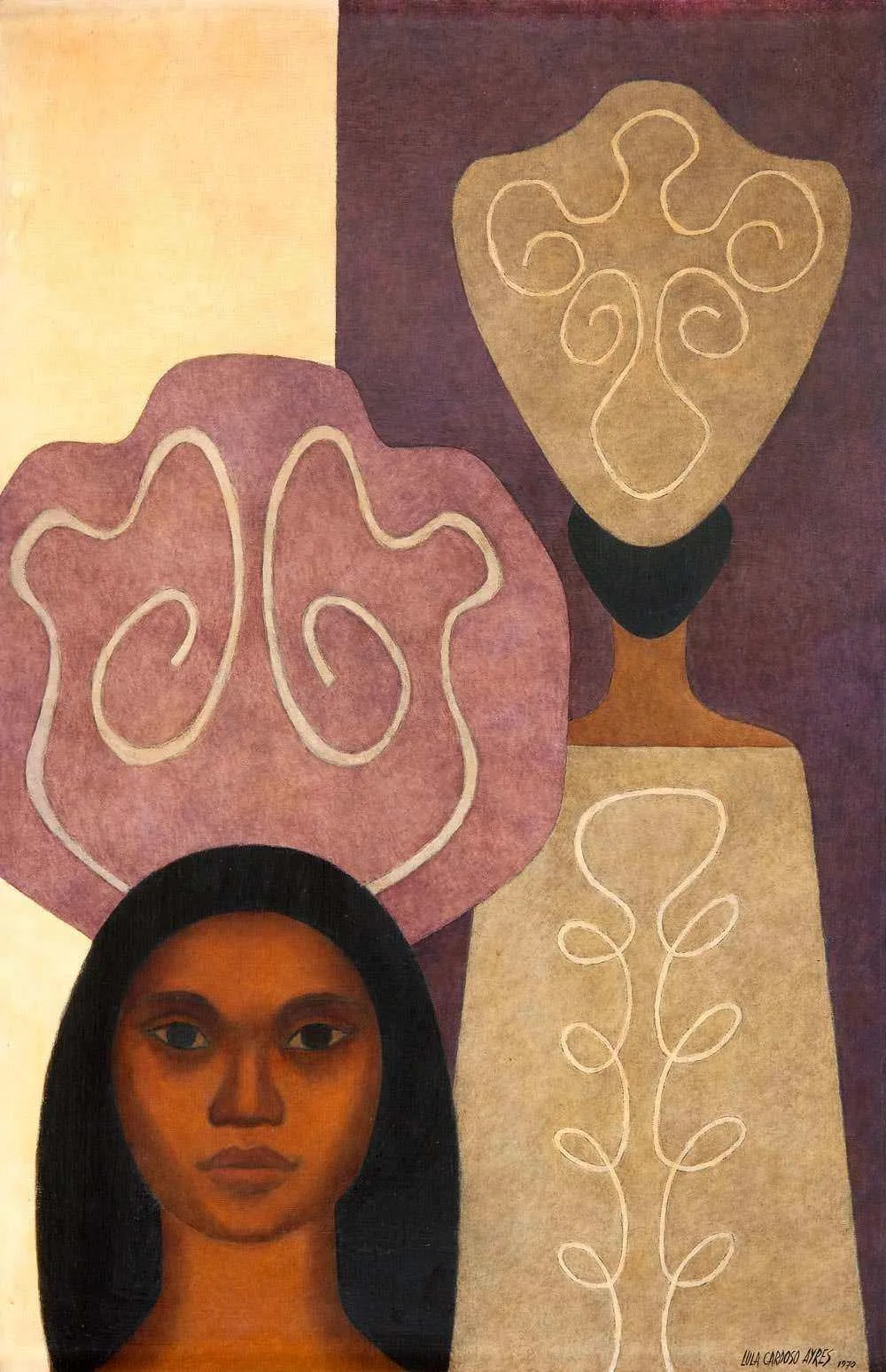
His language was neither folklore as souvenir nor modernism as imported formula. Ayres translated popular form into structure: the rounded mass of clay figures, the graphic pressure of carnival banners, the frontal calm of devotional images, the abstracting force of patterned gates and fabrics. Works such as Representacao do Bumba-Meu-Boi (1943), Noivado no Copiar (1943), Bolo de Noiva (1943) and Passeio a Cavalo (1943) show how rural Pernambuco entered the canvas as volume, color and choreography. Later social scenes including Cego Violeiro (1947), carnival figures, frevo, maracatu and cane cutters kept the body of the region visible without turning it into illustration. See also Calasans Neto: Bahia's Vibrancy Through Paint.
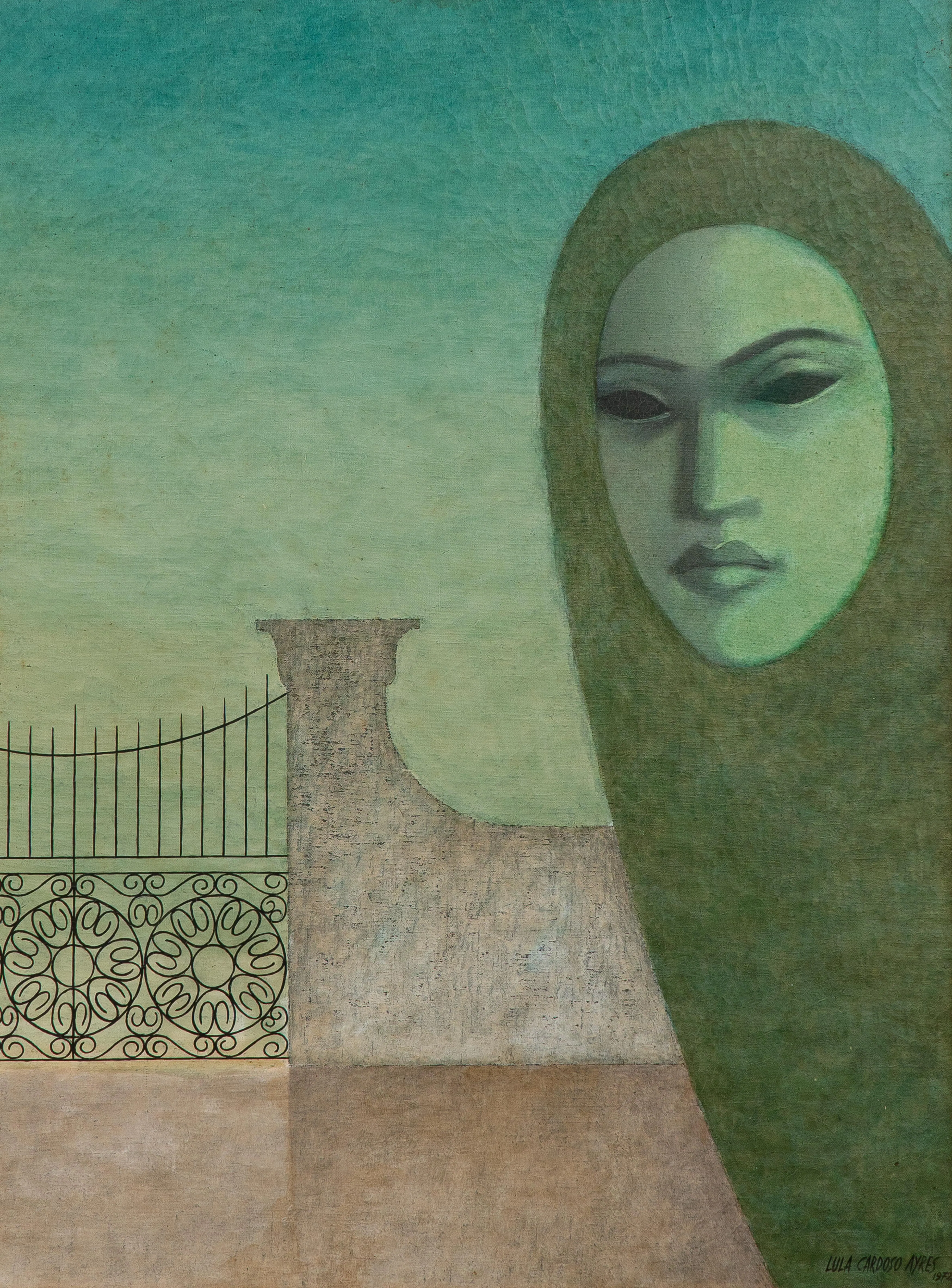
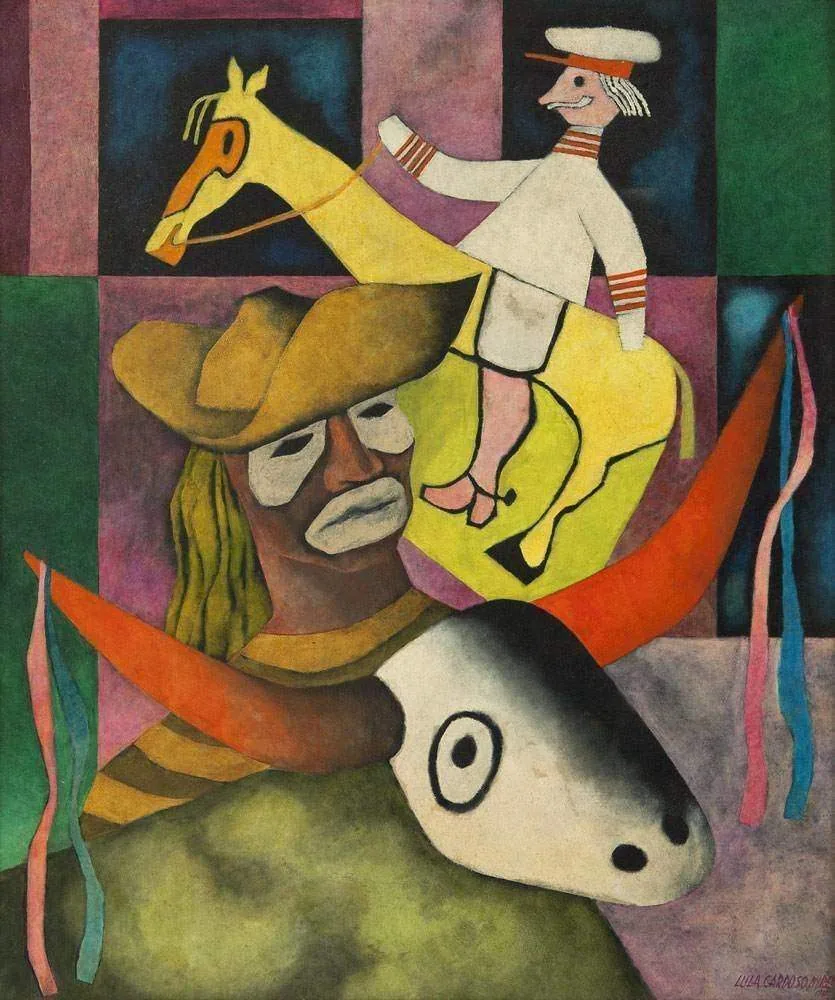
Ayres also moved with unusual ease between research, public art and experimentation. He photographed rural life in the 1930s and 1940s, and part of that photographic work is now held by the Museu do Homem do Nordeste. He produced murals, panels, illustrations for writers such as Manuel Bandeira and Ascenso Ferreira, and taught at the Universidade Federal de Pernambuco. In the 1950s he passed through a more abstract phase, taking part in the Bienal de Sao Paulo and making works such as Ex-Votos (1951), Tres Ex-Votos (1951), Dancarinas (1952), Passaro Vermelho (1952) and Rei e Rainha do Maracatu (1959). The Museu de Arte de Sao Paulo Assis Chateaubriand later held Rainha do Maracatu (1972), a return to figuration with sharper synthesis. See also Madalena Santos Reinbolt: Figures Held Between Memory and Form.
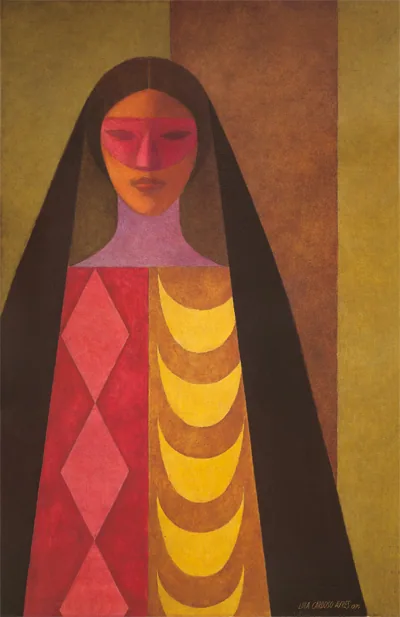
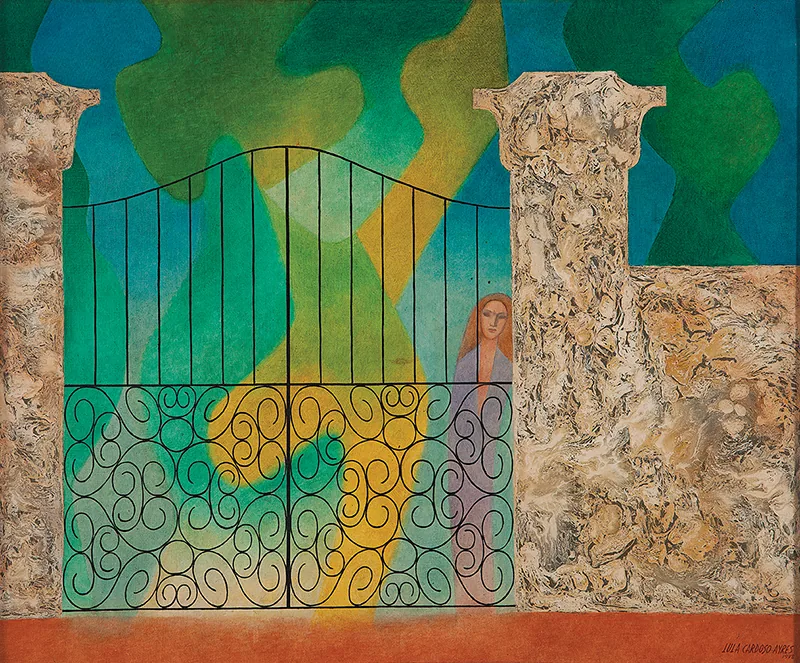
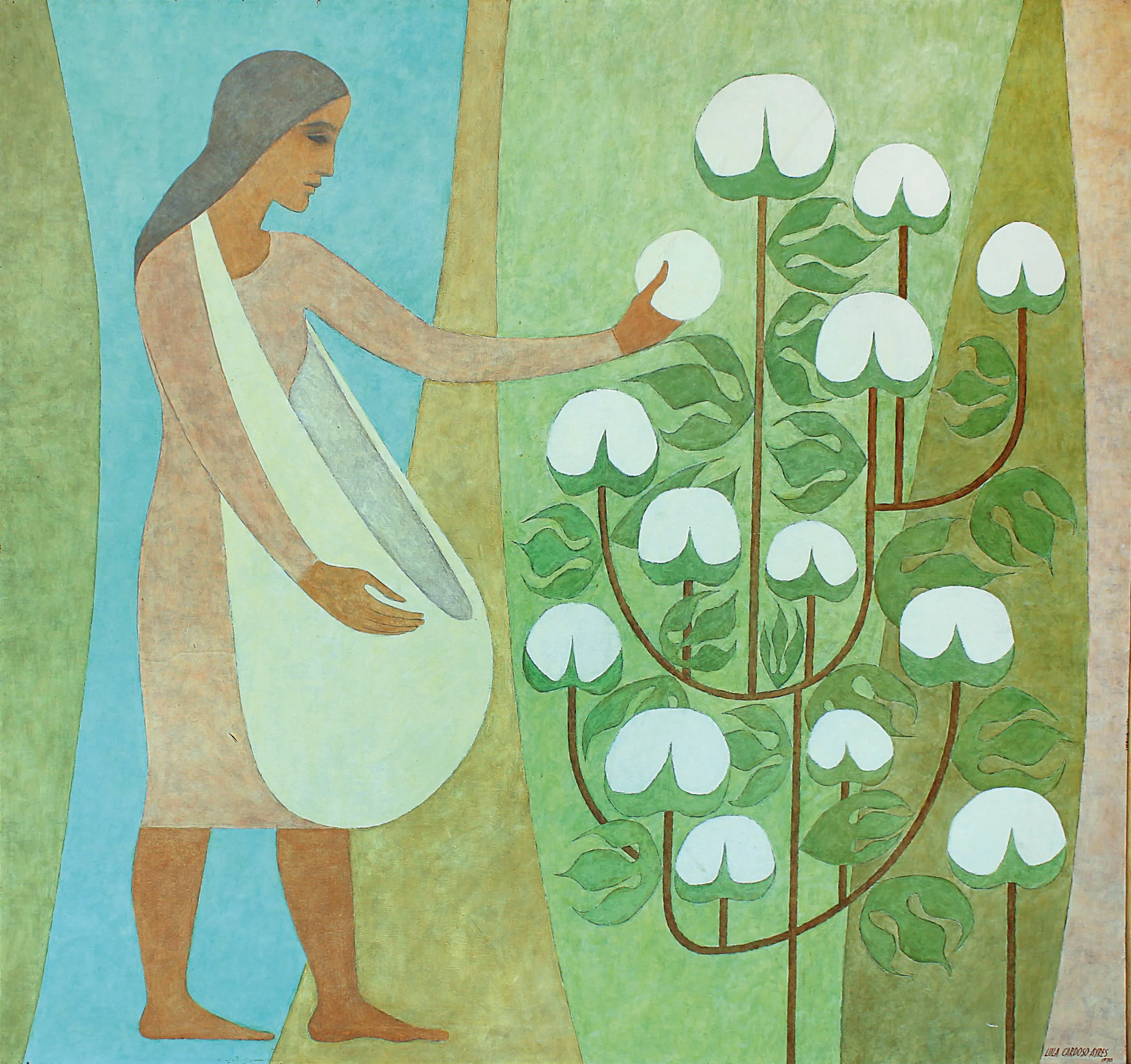
The seven images gathered here show the breadth of that route: the gate as memory architecture, the cotton plant as design, the female figure as mask, the bumba-meu-boi as theatre, and the ornamental line as a way to join painting with craft. In Jaboatao dos Guararapes, the Instituto Cultural Lula Cardoso Ayres preserves more than 300 works, including paintings, drawings, photographs, illustrations, graphic pieces and studies for murals and stage sets. That archive confirms what the paintings already say: Ayres made Pernambuco modern by taking local knowledge seriously, then giving it a disciplined, spacious and unmistakable pictorial form. See also Leonilson: The Quiet Confessions Stitched into Fabric.