Terror Celestial Turns Fear into a Queer Grammar of Survival
At MAC Dragão in Fortaleza, Terror Celestial begins with a blunt proposition: coloniality has always known how to stage itself as horror. Curated by Lucas Dilacerda, with Wes Viana as associate curator, the exhibition brings together twenty-four LGBT+ artists, not to illustrate fear but to reverse its direction. Queer lives have long been cast as monstrous, aberrant, improper, or threatening; here, those names are taken back from the systems that used them as punishment. The show does not soften that history. It enters its anatomy, exposes the norm hiding beneath it, and turns horror into a method for imagining life beyond the identities and forms that colonial power tried to make permanent. See also 'As nossas imágenes' convierte el álbum familiar en un archivo en disputa.
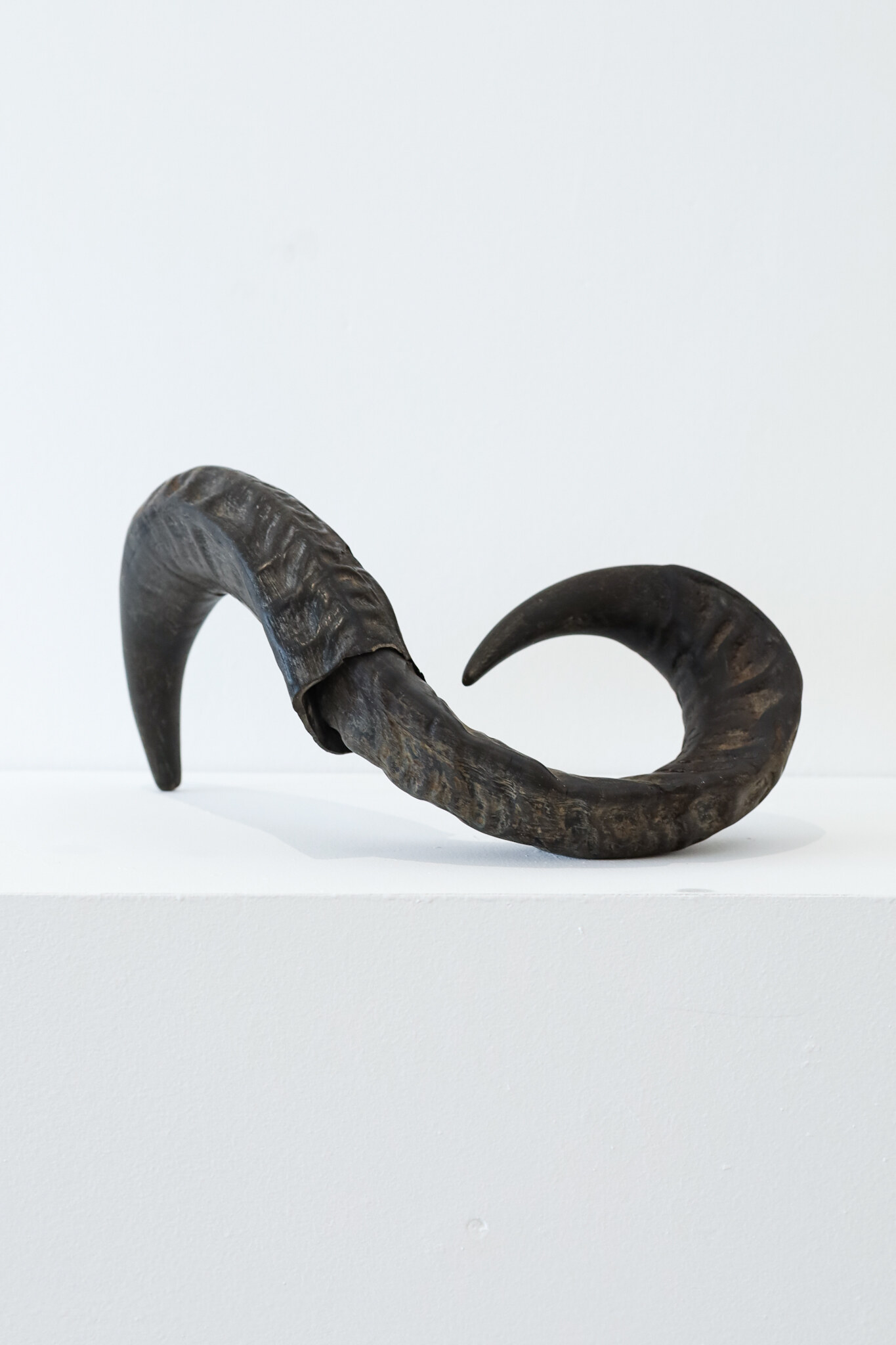
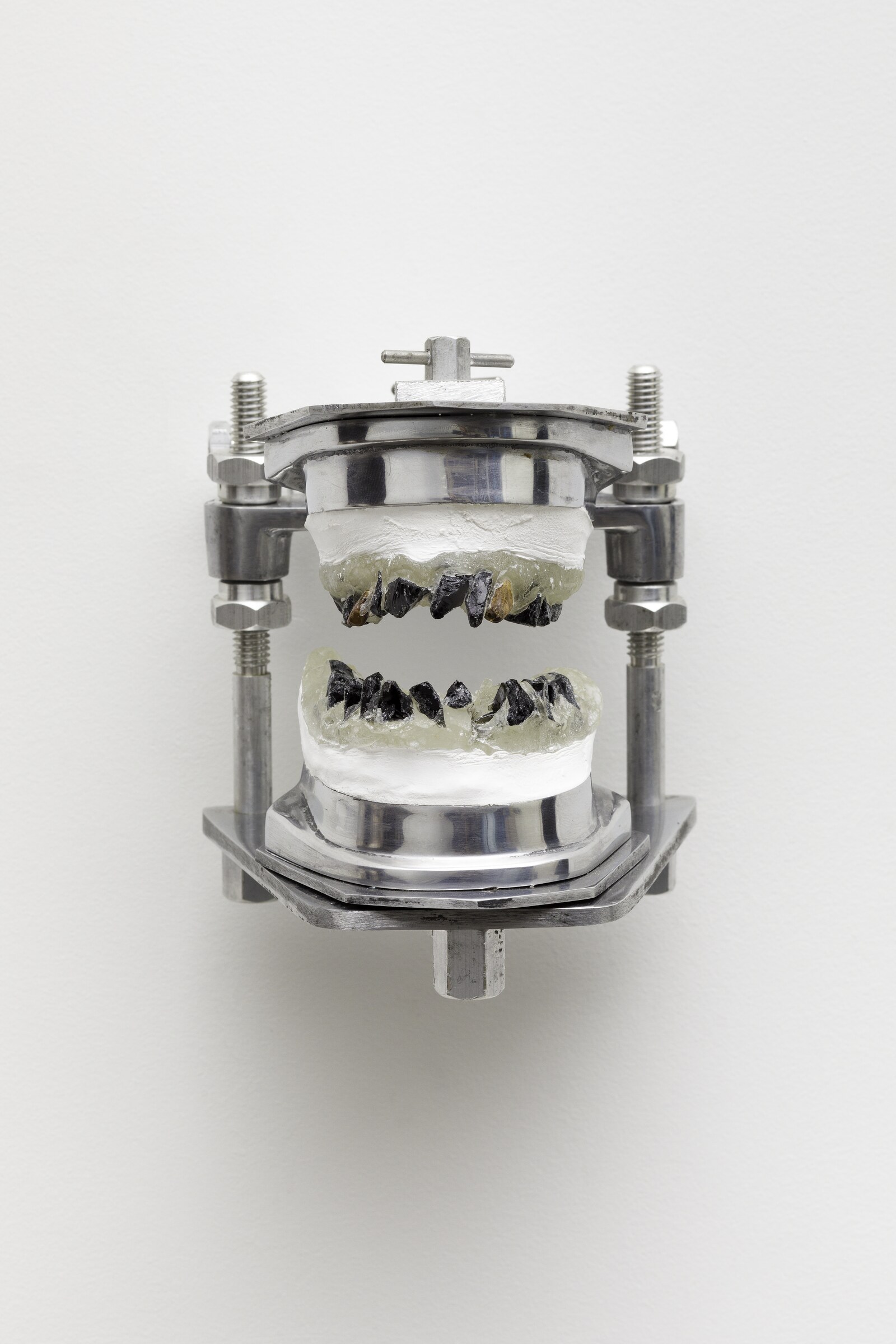
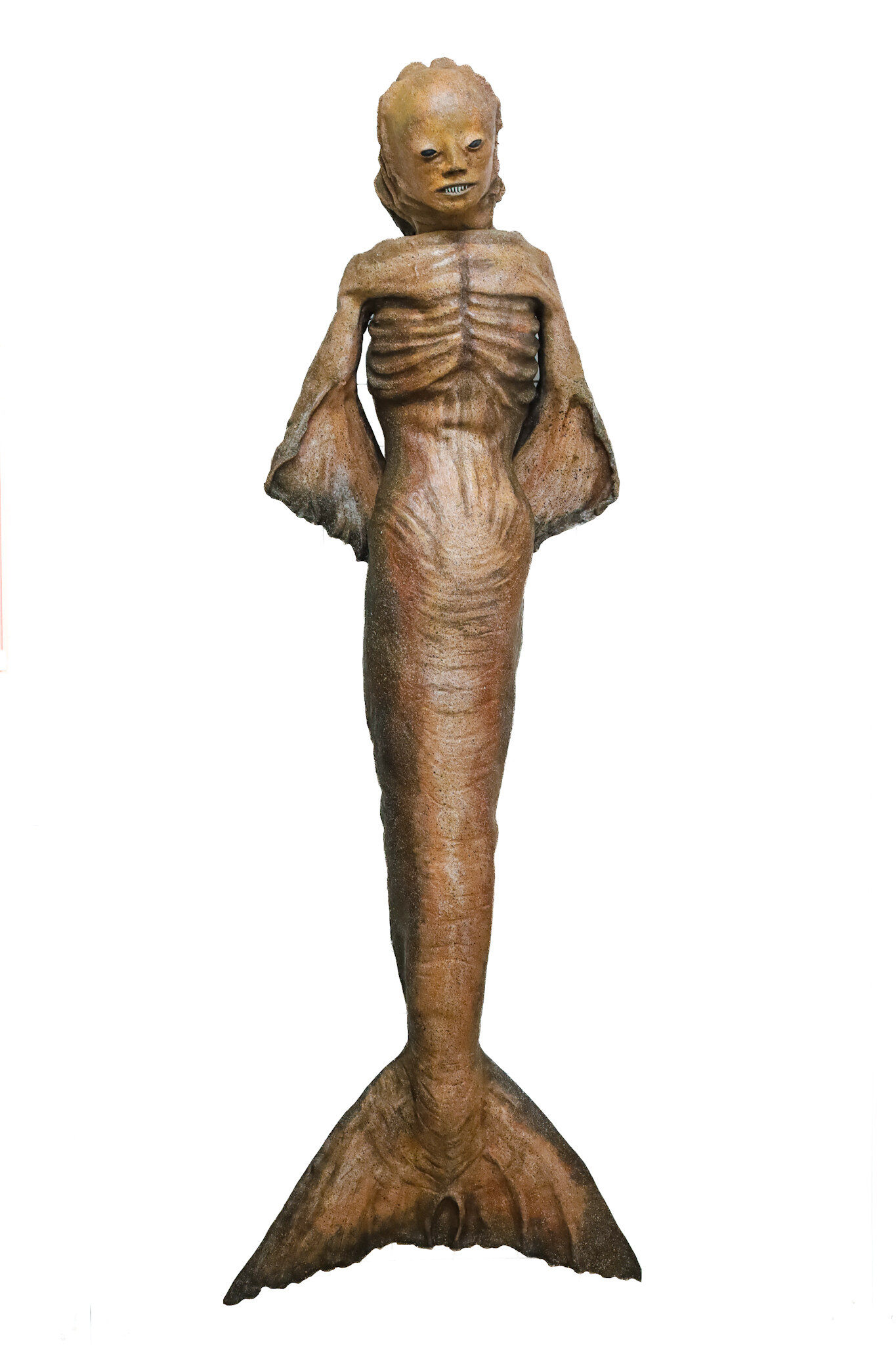
The exhibition unfolds through three lines of inquiry. One leg moves through Monstros e quimeras, where the human figure no longer holds a privileged or stable place. Davi Ângelo's Ipupiara, made from rubber latex and expanding foam, appears as a river creature whose body refuses a clean division between person, animal, and legend. In Maurício Coutinho's Ela não morreu, eu sim, buffalo horns lock into an object that feels at once defensive, ceremonial, and wounded. Jonas Van's Obsidiana gives mineral matter the density of a relic held under pressure. Across these works, hybridity is not a fantasy of escape. It is a language for lives already formed through crossings, danger, inheritance, and adaptation. See also Pedro Delgado: El mar como memoria y contraimagen.
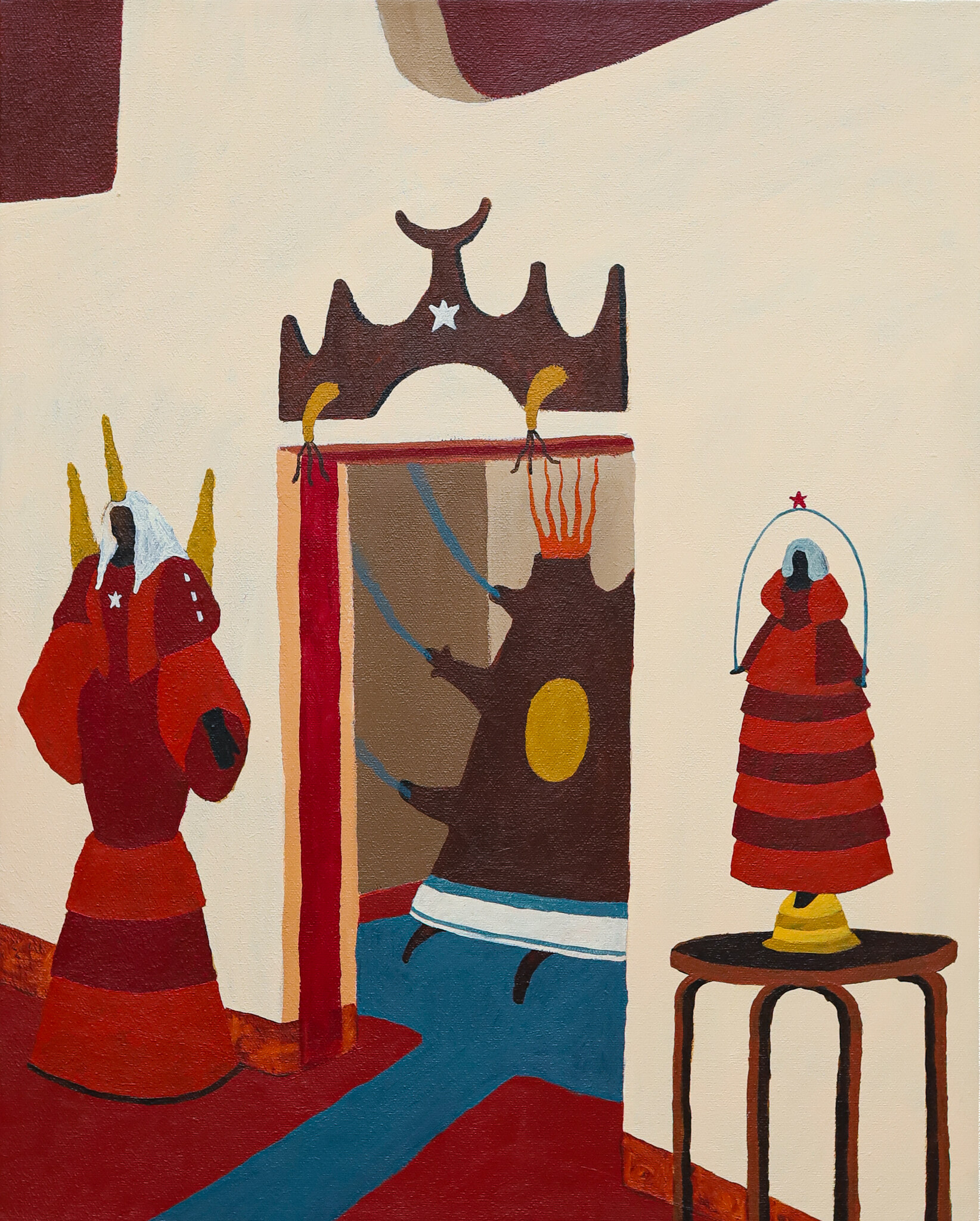
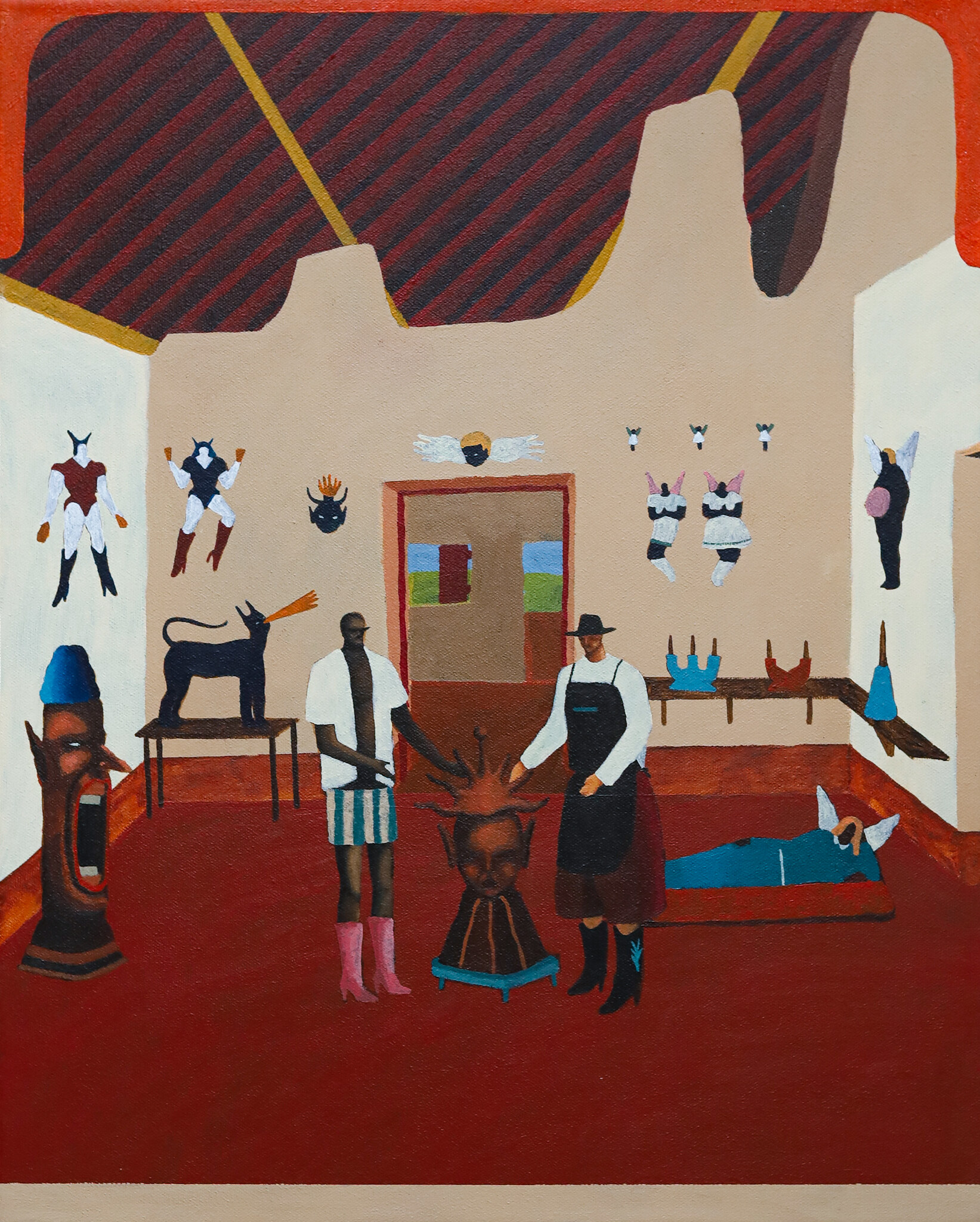
Espiritualidade terrena turns from the Christian architecture of heaven and hell toward Afro-Brazilian knowledge, Indigenous cosmologies, popular traditions, and the intelligence of the natural world. Charles Lessa's Ateliê pacto provisório and Pombagiras place work, devotion, desire, and ritual inside the same charged domestic space. Their direct color and crowded scenes refuse the distance of an ethnographic gaze: the sacred is neither remote nor decorative, but lived among bodies, tools, offerings, and daily negotiations. The third section, Terror das formas, carries that refusal into art's own categories. Portrait, landscape, abstraction, and still life cease to behave as fixed genres. Formal disobedience becomes less a gesture of shock than a practical question: what kind of image can hold a life that the old frames were never built to contain?
Terror Celestial is most convincing when it declines to make suffering the final meaning of queer experience. Fear remains present, as history and as atmosphere, but it is worked on, contaminated, and made productive. The result is an exhibition about protection as much as threat, and about the forms that emerge when survival is allowed to be strange, spiritual, unruly, and communal. The show runs from July 18 through October 4, 2026, at MAC Dragão, in Fortaleza's Centro Dragão do Mar de Arte e Cultura. Accessibility resources include Brazilian Sign Language, audio description, an alternative communication board, and scheduled visits with a Libras interpreter.