«As nossas imagens» превратил семейный альбом в спорный архив
Кураторский проект As nossas imagens, задуманный Родриго Лопесом в Paço das Artes, начинается с обманчиво знакомого объекта: семейного альбома. Говоря обычным языком, альбом часто рассматривается как частный вместилище любви, происхождения и семейной преемственности. Лопес меняет эту концепцию, предлагая альбом как «arquivo branco», или белый архив, структуру памяти, которая в Бразилии неотделима от колониальной травмы, расовой иерархии и неравного права появляться, сохраняться и быть рассказанным. Вместо того, чтобы рассматривать семейные фотографии как нейтральные документы, выставка задается вопросом, какие жизни исторически были допущены в архив, какие присутствия были стерты или инсценированы насилием, и как современные художники могут вновь открыть эти изображения, не отдавая их ностальгии. See also Terror Celestial превращает страх в странную грамматику выживания.
Выставка объединяет Андерсона Фелисиано, Элиану Аморим, Педру Сильву и Валь Соуза в сфере инсталляций, коллажей, видеоперформансов и фотографий. Этот диапазон имеет значение, поскольку проект не представляет альбом в фиксированном формате. Он рассматривает альбом как метод, поле, где интимные образы становятся свидетельством более широких социальных и исторических структур. В этом движении от внутреннего к общественному личная память становится неотделимой от формирования самой Бразилии. Семейная фотография может обещать признание, но она также несет в себе исключения: кто имел доступ к портретной живописи, чье родство было зафиксировано, чье изображение было заархивировано как привязанность, и чье тело было захвачено колониальными и расовыми системами как объект, труд или отсутствие. See also Педро Дельгадо: Море как память и контробраз.
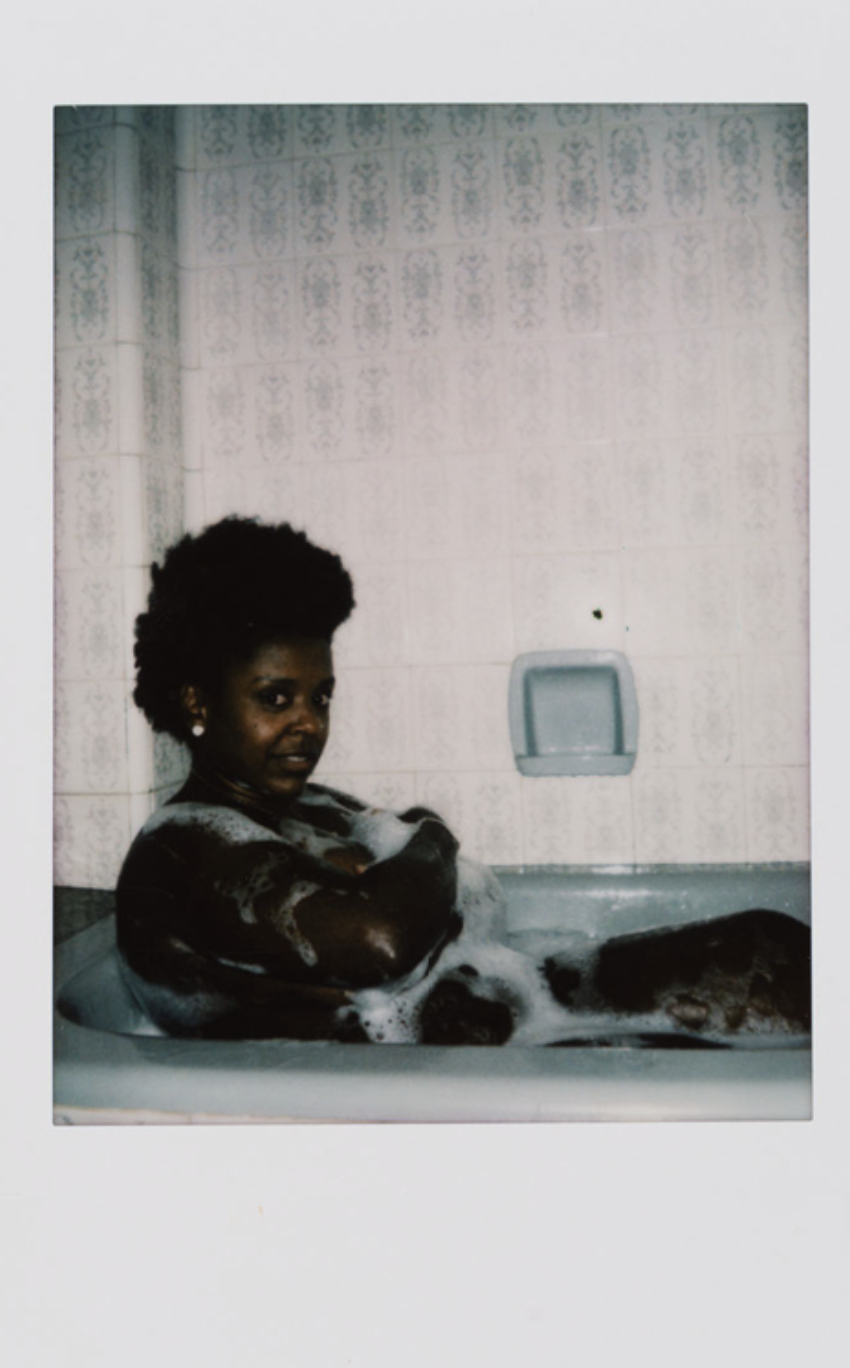
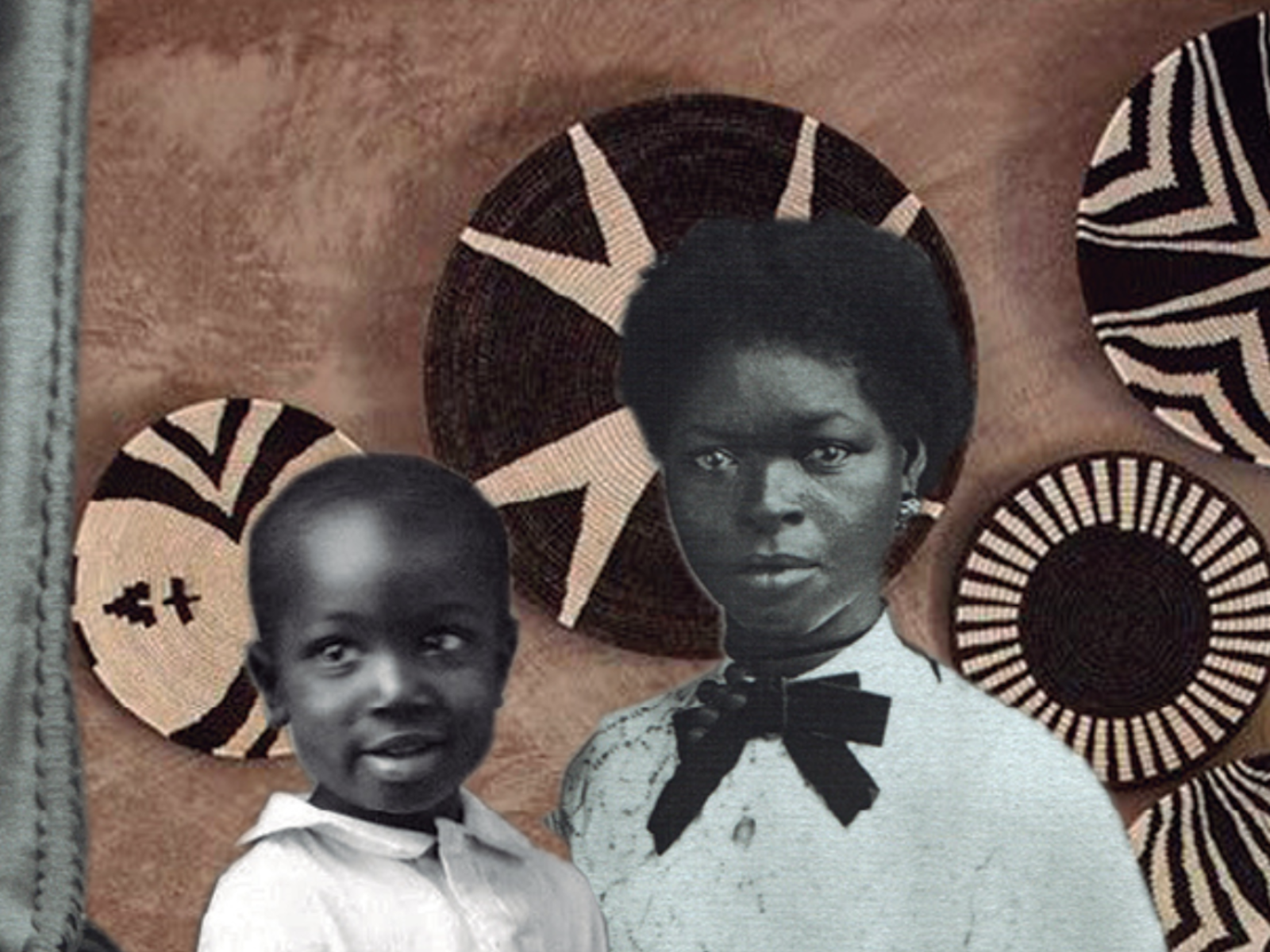
В фильме Элианы Аморим «Reintegracao de leite» (серия «Reintegracao de afeto») 2019 года это напряжение становится особенно заметным. Изображение работает на языке старой портретной живописи, прерывая его современным актом ремонта. Фигуры, связанные с семейной памятью, появляются на фоне сложного поля узорчатых форм, превращая фотографию в место реконструкции, а не в пассивное воспоминание. Образ Педры Сильвы, поставленный вокруг купания, ухода и телесного присутствия, приближается к архиву через другой регистр: повседневное тело как носитель историй, одновременно интимных, расовых и политических. Третье изображение из семейного альбома с многолюдной сценой дня рождения настаивает на коллективном измерении памяти. Праздник, детство, домашнее изобилие и фотографическая одежда становятся частью более масштабного визуального спора о том, как семейные изображения чернокожих и бразильских семей сохраняют формы отношений, которые официальные архивы часто не учитывают.
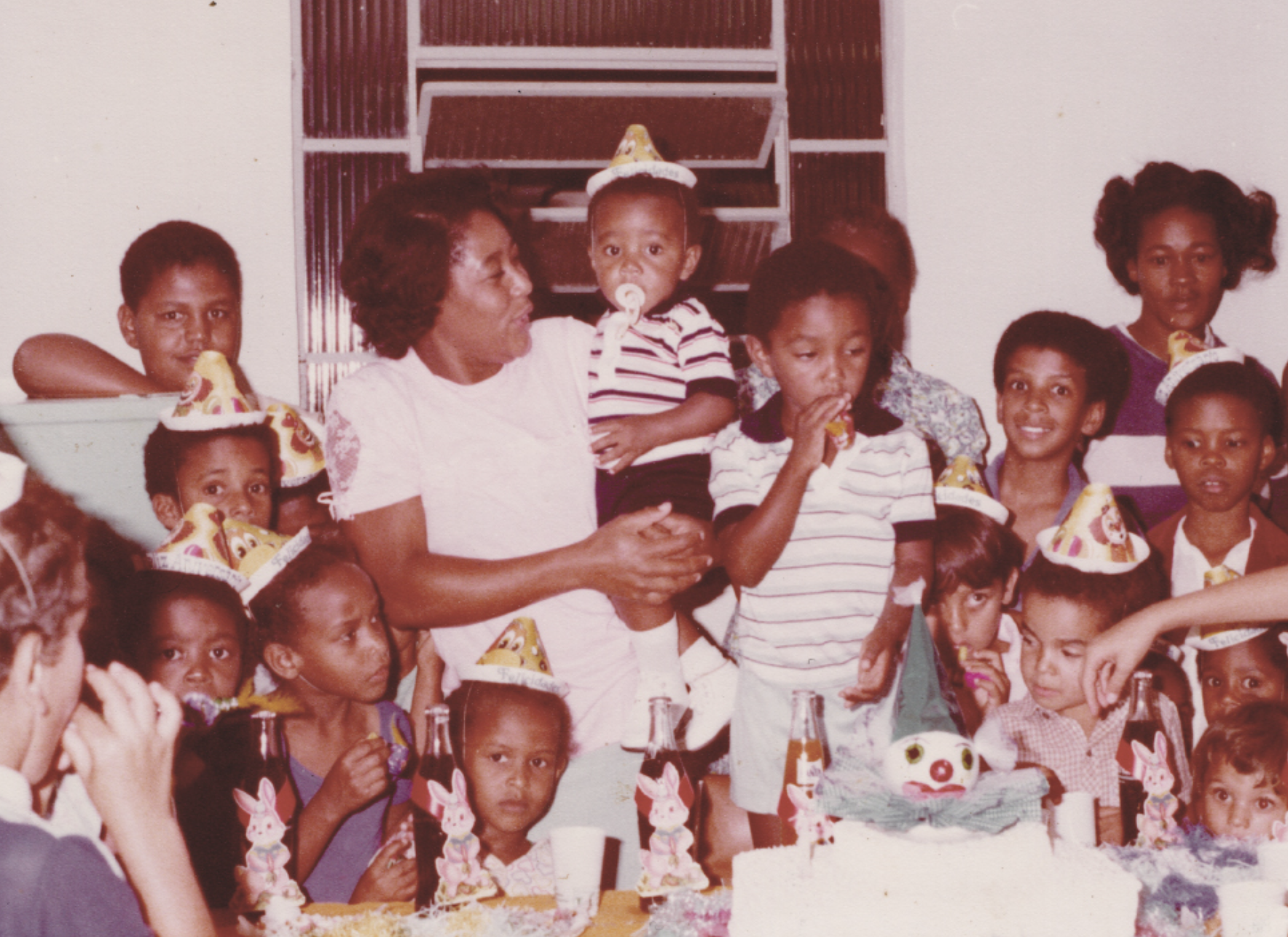
Беседа, состоявшаяся в Paço das Artes 9 августа в 16:00, с Родриго Лопесом и художниками Андерсоном Феличиано, Элианой Аморим и Педрой Силвой, расширила центральный вопрос выставки до устных размышлений о визуальной поэтике. Для архива CASCA книга As nossas imagens важна именно потому, что она отказывается отделять эстетику от политики памяти. Его работы не просто иллюстрируют прошлое; они тестируют альбом как оспариваемую технологию видимости. Используя коллажи, инсталляции, видеоперформансы и фотографии, проект превращает семейный образ в критический язык загробной жизни колониальной Бразилии. Альбом становится не запечатанным частным объектом, а местом, где встречаются привязанность, отсутствие, раса и исторический ремонт.