Beatrice Arraes and the Landscapes Memory Leaves Behind
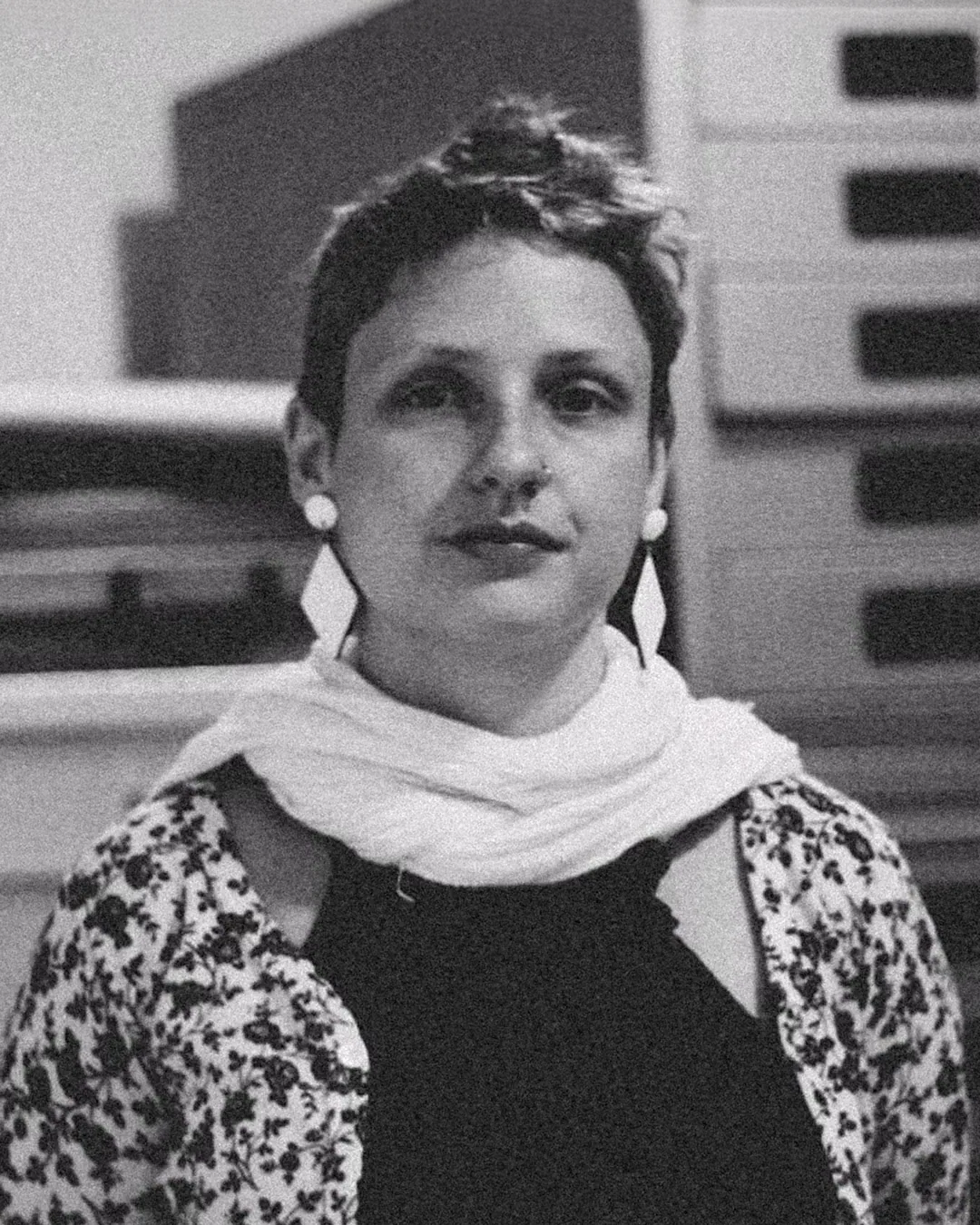
Born in Fortaleza in 1998 and now living and working in São Paulo, Beatrice Arraes has developed a painting practice attentive to the unstable border between the world we see and the world memory reconstructs. She studied Graphic and Product Design at the Federal University of Ceará and Fine Arts at the University of Salamanca in Spain, experiences that sharpened her interest in how images are built, circulated, and worn down. Working primarily in oil on canvas or wood, Arraes paints natural and urban landscapes in which observation is never simply descriptive. A cloud, a storefront, a field, or a stretch of coastline becomes a vessel for recollection, carrying the partial clarity and inevitable gaps of an experience retained over time. See also Gabriel Archanjo and the Figure as a Field of Resistance.
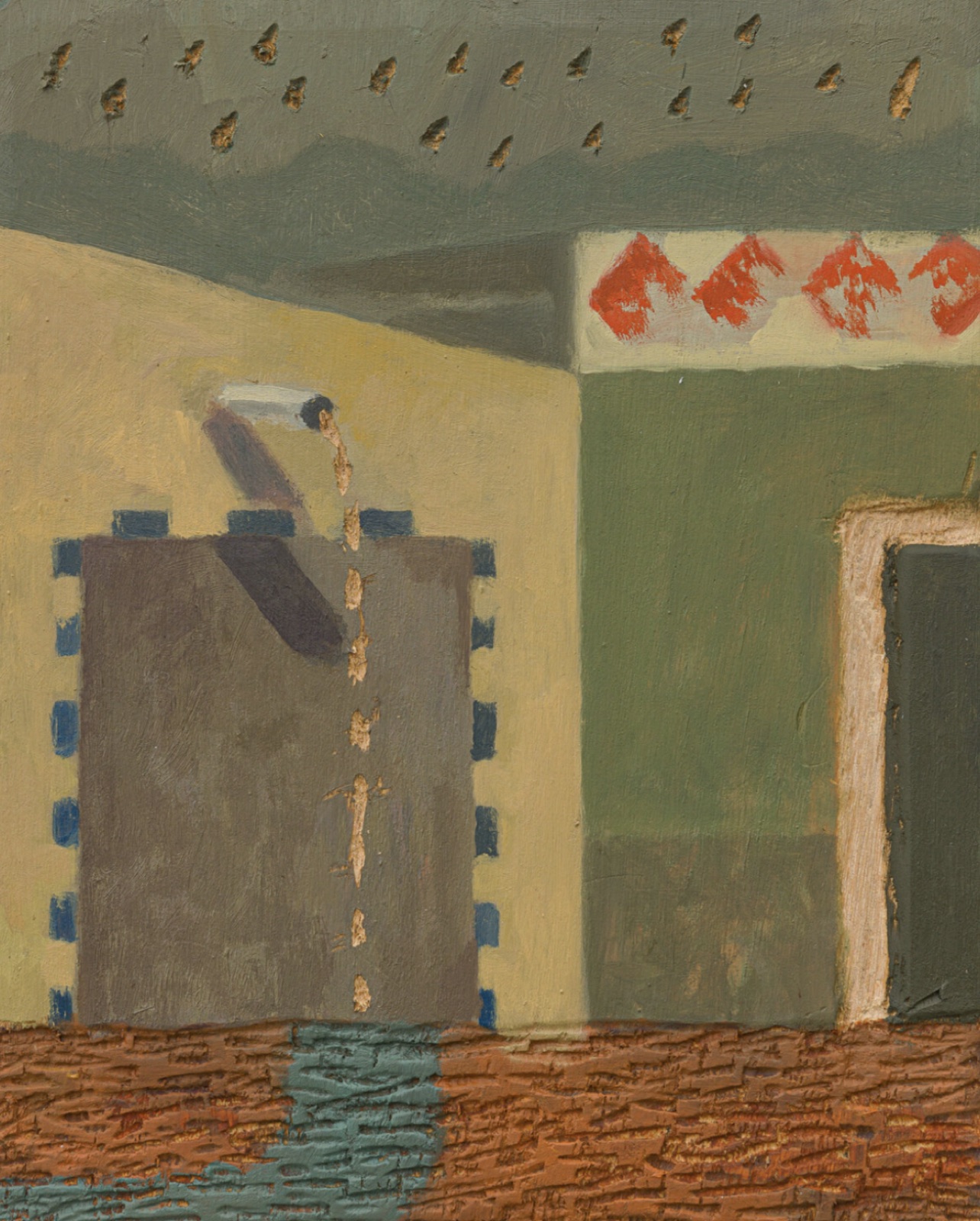
Her visual language is shaped by things that appear to resist technological speed: hand-painted facades, lettering, signs, posters, neighborhood architecture, and other forms of popular image-making. Arraes does not quote these sources as nostalgic decoration. She draws attention to their physical vulnerability and to the labor embedded in them. Thin layers of subdued color are built up and removed; sections of paint seem rubbed, scraped, or eroded; incisions expose the material beneath. These procedures make time visible inside the image. What might first appear quiet or naïve reveals a complex negotiation between clarity and obscurity, local experience and global visual culture, preservation and disappearance. Painting becomes less a means of fixing the world than a fragile attempt to keep contact with what is already changing. See also Silvana Mendes and the Radiant Repair of the Colonial Archive.
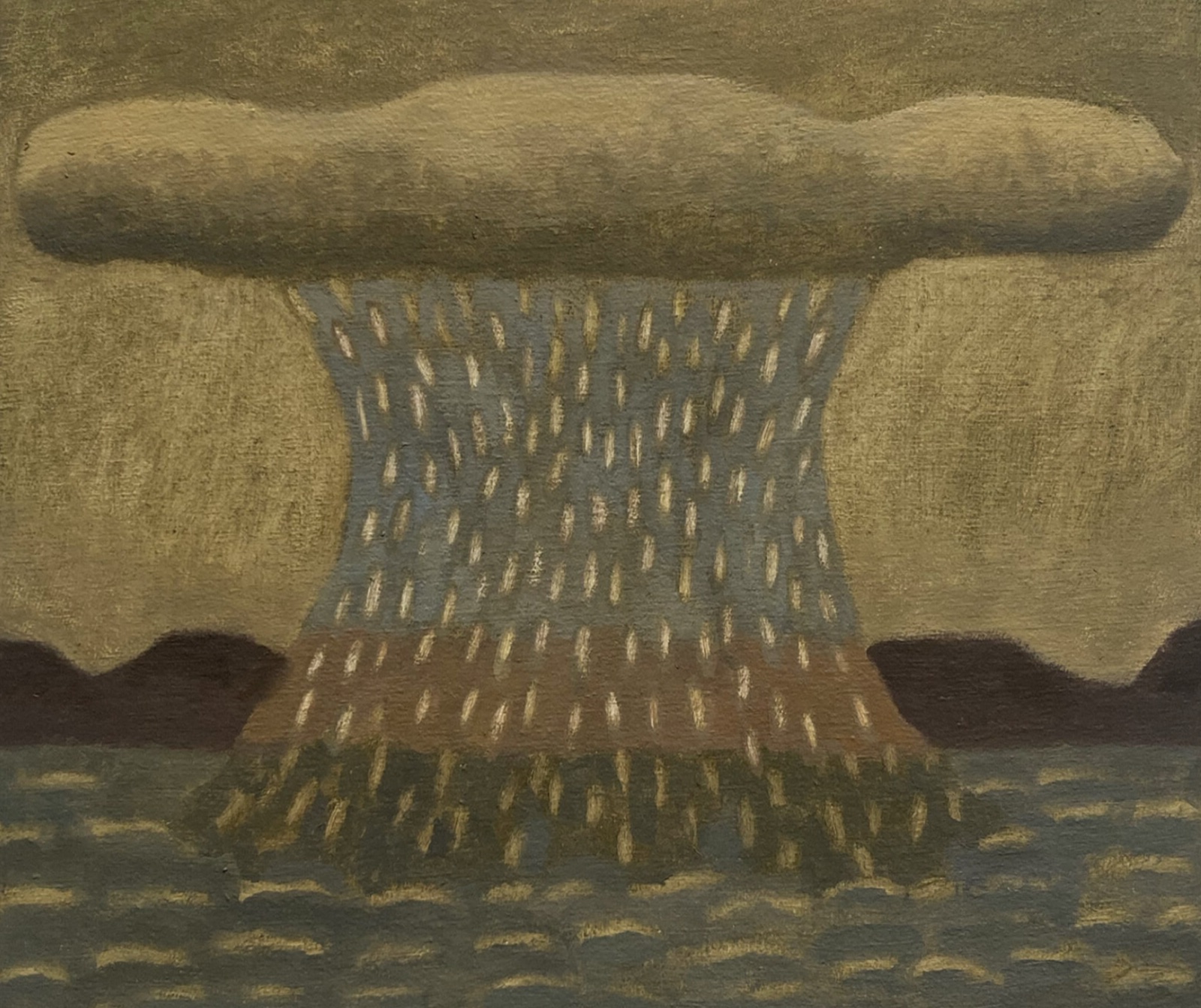
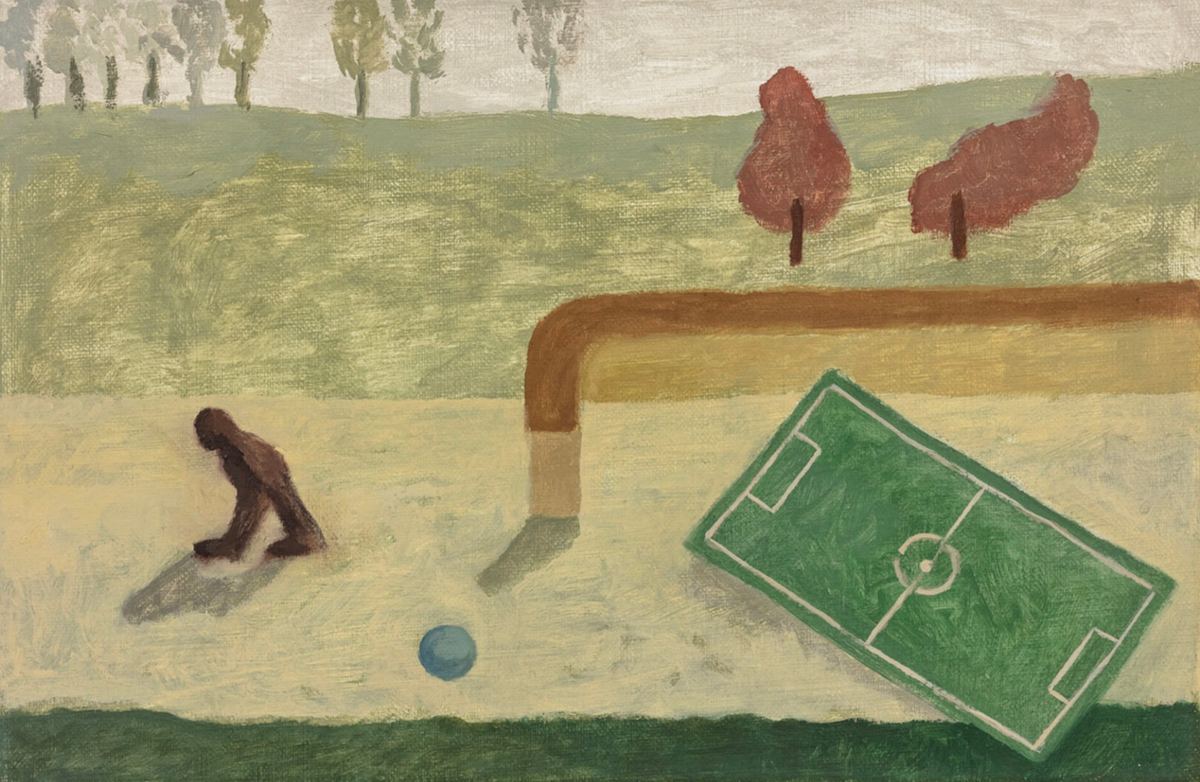
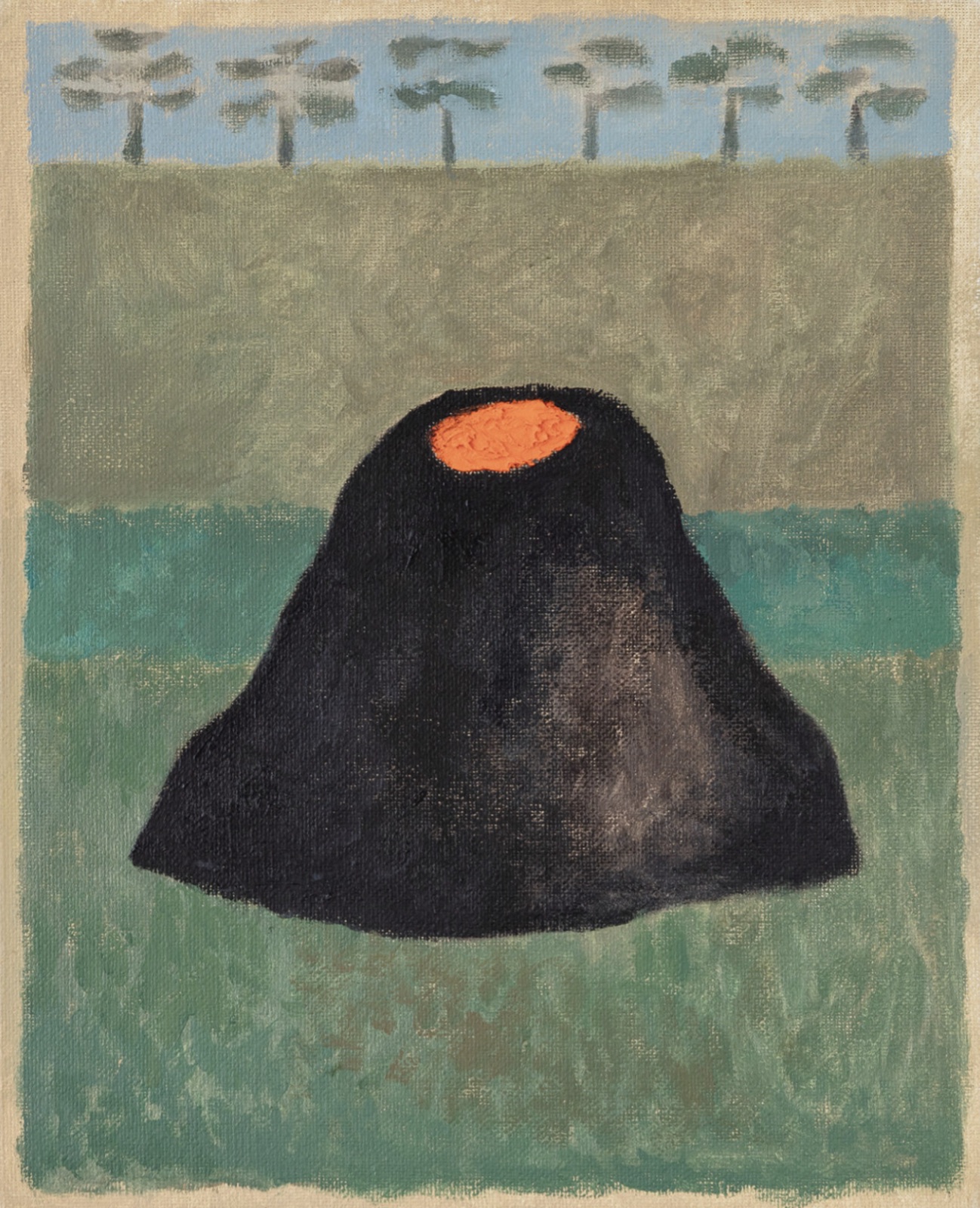
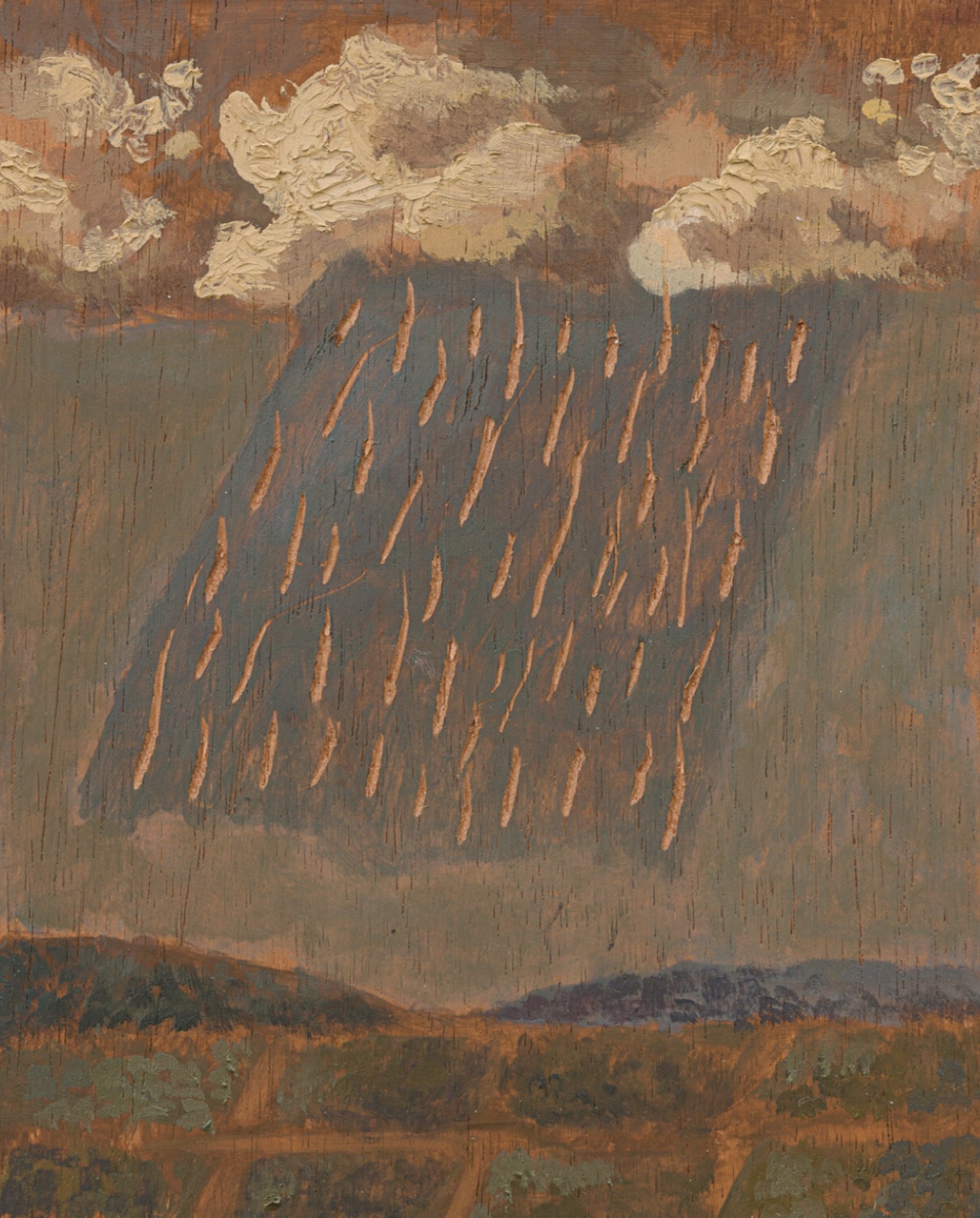
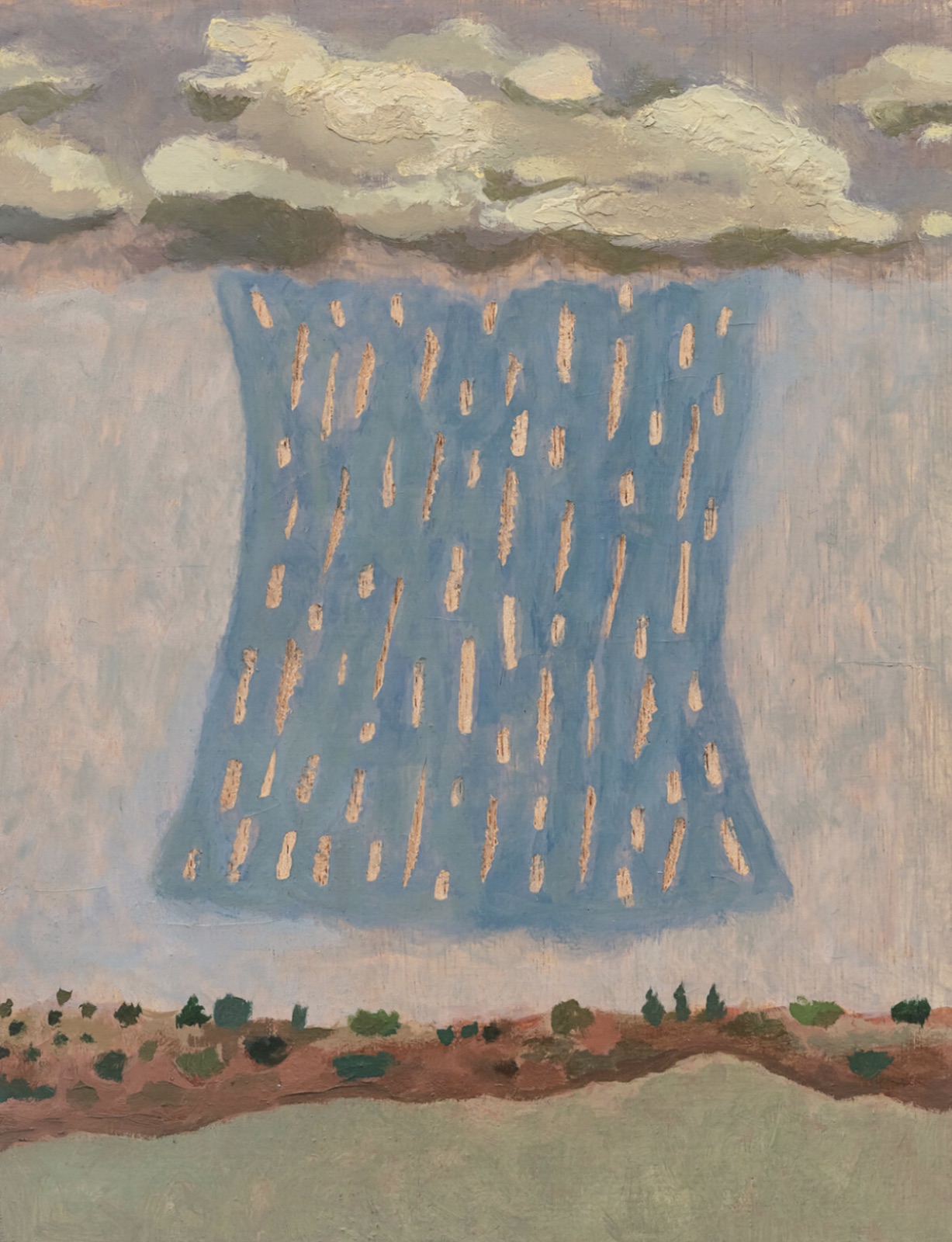
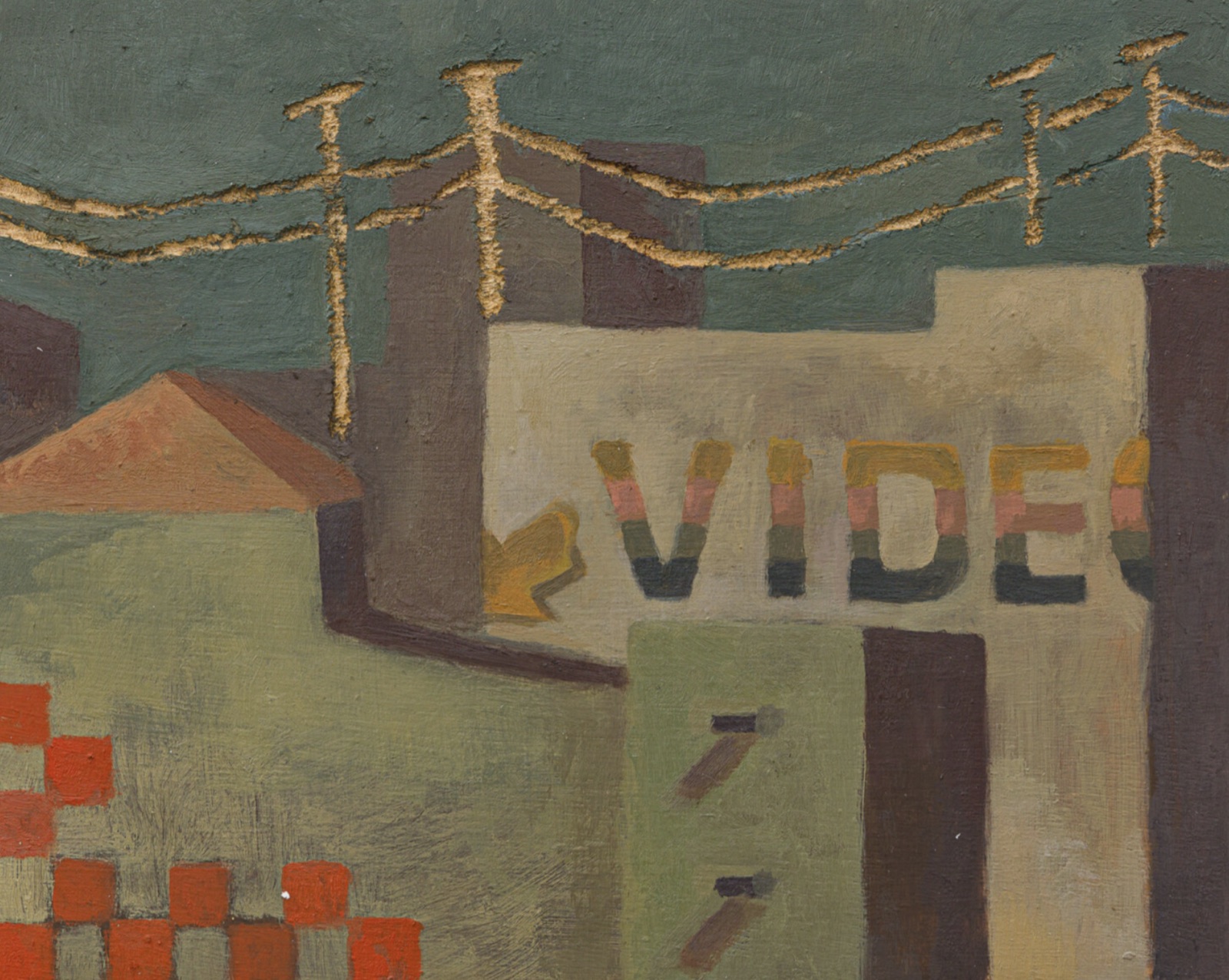
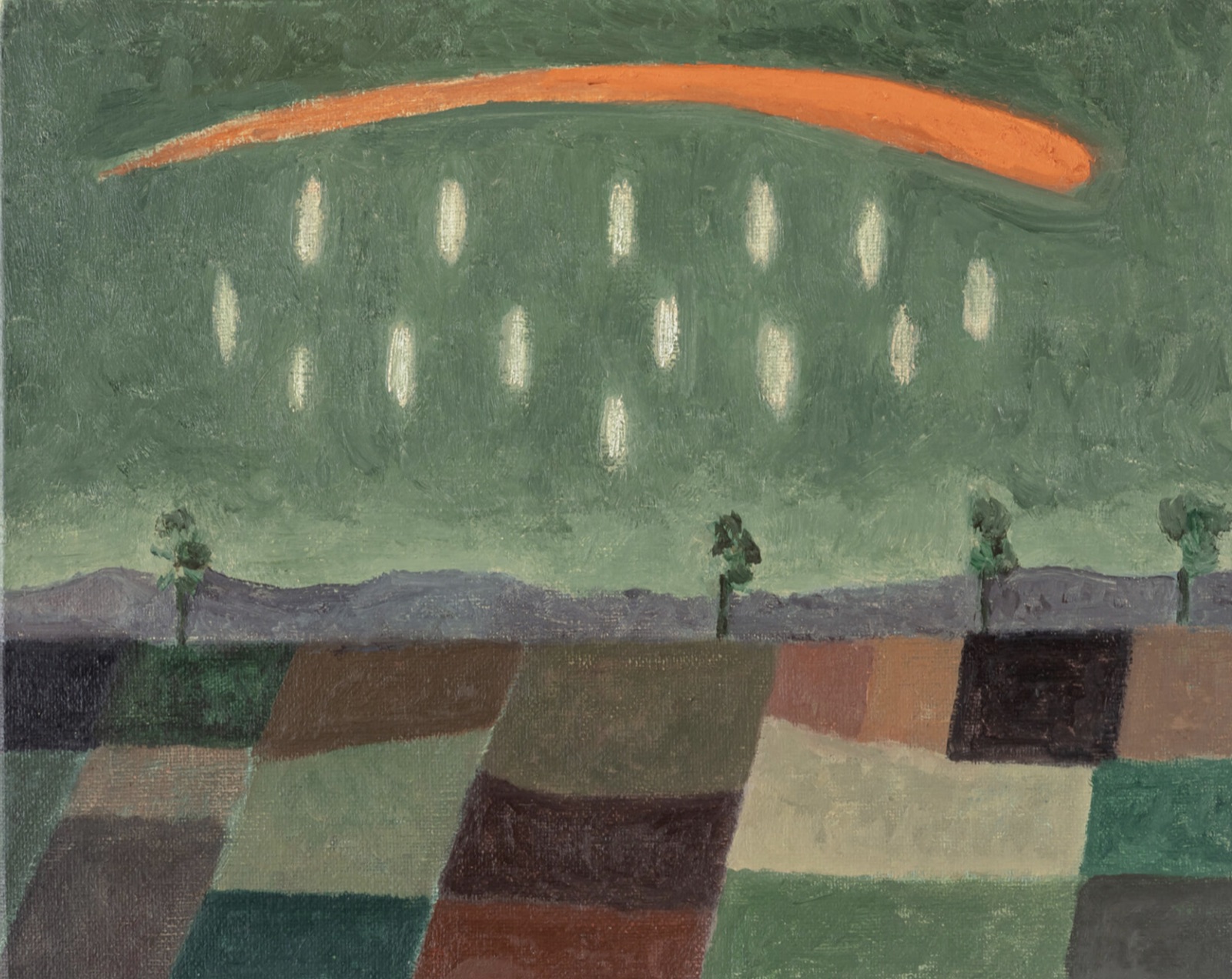
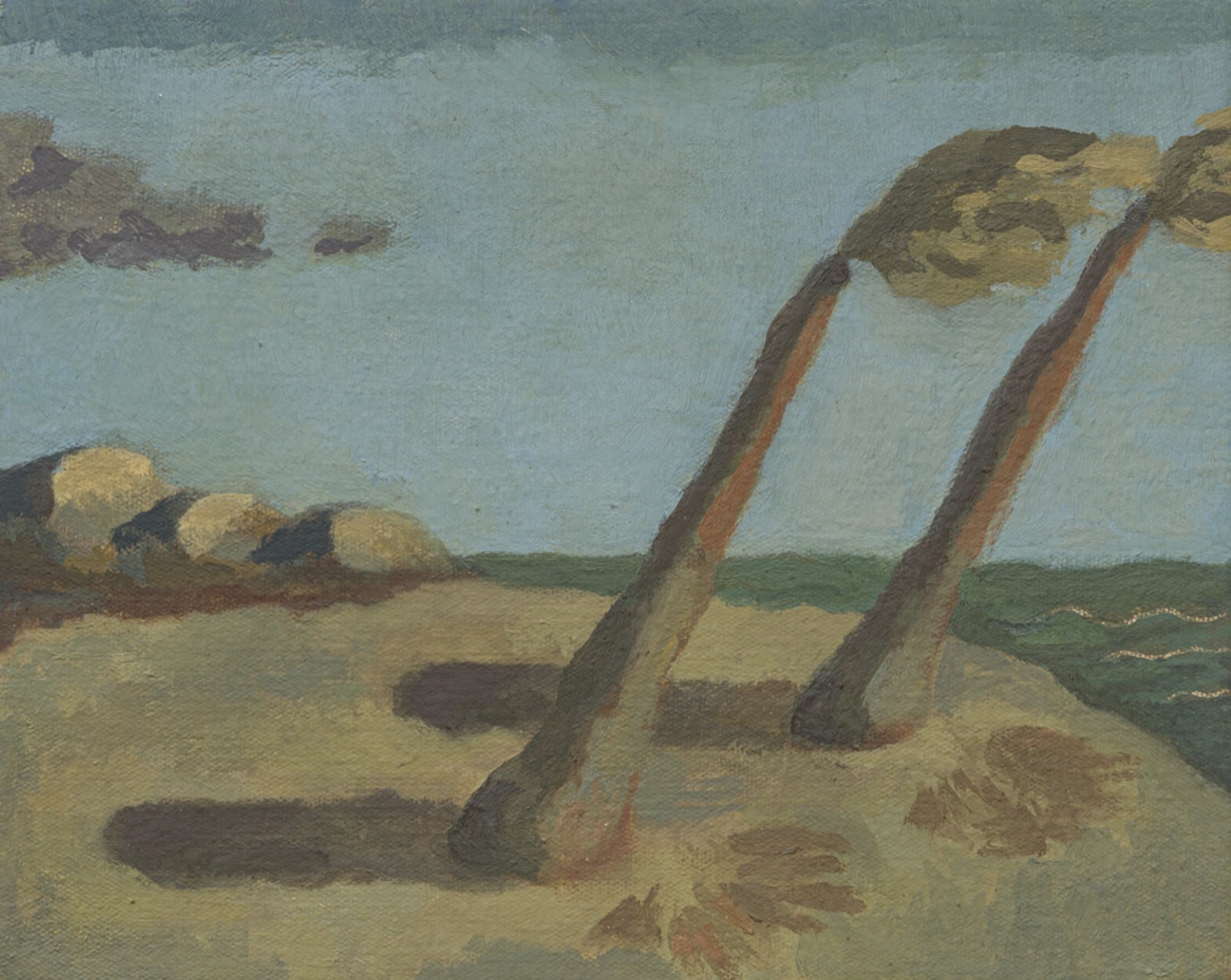
The selected works move through rain, fields, coastal vegetation, volcanic forms, modest buildings, electrical wires, and fragments of painted words. Their palette favors moss green, dusty blue, ochre, brown, gray, and occasional bursts of orange, giving the scenes the subdued intensity of remembered weather. Rain often appears as a contained vertical body, almost a curtain or architecture suspended between cloud and land. Elsewhere, an orange comet crosses the sky above segmented fields, or a football pitch tilts away from a solitary figure as if perspective itself had become unreliable. The urban paintings are equally unsettled: a hand-painted sign is cut by the edge of the frame, utility lines become scars across the surface, and familiar facades feel both immediate and distant. In each case, simplified forms and compressed spaces refuse photographic certainty. The landscape is recognizable, but it behaves like an interior state.
Arraes has presented solo exhibitions including Passou uma nuvem in Fortaleza and Jogo de mesa at Sea View in Los Angeles, and her work has appeared in group exhibitions at institutions and galleries in Brazil and abroad, including the Pinacoteca do Ceará, Perrotin in Paris, Société in Berlin, Millan in São Paulo, and Almeida & Dale. Her work is also held in the collection of the Museu Nacional de Belas Artes in Rio de Janeiro. This growing circulation has not displaced the intimacy of her subjects. Instead, it clarifies the stakes of her practice: the visual culture of streets, towns, and ordinary landscapes is never merely background. It is a living archive, vulnerable to erasure yet constantly renewed by attention. Arraes paints that archive without claiming to preserve it intact. Her works remain open, weathered, and uncertain, holding memory as a material process rather than a finished story.
Sources and further reading